UPS conveyor belt systems are crucial to the efficiency and speed of package handling at their hubs and sorting facilities. These systems move millions of packages daily, sorting, routing, and delivering them across vast networks. However, for businesses relying on UPS for shipping, understanding the potential challenges that can arise in these systems is essential to ensure smooth operations and minimize issues like lost or damaged items.
This article explores how UPS conveyor belts function, the most common issues that arise, and how businesses can optimize their packaging to prevent package failures during transit.
The Role of Conveyor Belt Systems in UPS Hubs
At UPS distribution hubs, conveyor belt systems serve as the backbone of the company’s logistics network. These systems are engineered to transport packages of all sizes and weights through sorting facilities. The main role of these conveyor systems is to move packages through various stages of the logistics chain, from the moment they arrive at the hub until they are dispatched to their final destinations.
Each conveyor belt is strategically designed to handle packages of various dimensions, with specialized equipment that adjusts to accommodate different types of parcels. Some belts handle larger, heavier shipments, while others are designed for smaller, lighter packages. The efficiency of these conveyor systems is a testament to UPS’s ability to process and ship packages on time.
However, despite their sophistication, issues can arise if packages are improperly packed or incorrectly placed on the conveyor belts. Such issues can cause disruptions in the system, leading to delays, lost shipments, or damaged items. To minimize these disruptions, understanding how the conveyor belts interact with various types of packaging is essential.
Common Challenges with Conveyor Belts at UPS Hubs
There are a variety of factors that can lead to packages getting stuck, damaged, or lost within the conveyor belt systems at UPS. One of the most common issues occurs when the packaging does not meet the system’s standards for handling. For example, packages with loose or insufficiently secured straps, improperly sealed boxes, or unusual shapes can become problematic when moved through the system.
Issues Arising from Package Strapping
In the case of businesses that ship products like boxed stacks or bundles, such as insect shipments or other high-volume orders, improper strapping is a frequent source of trouble. Straps that are not adequately secured can catch on parts of the conveyor system, causing the package to break apart or become misrouted. In these instances, only the box with a visible label may make it to the final destination, while other boxes get lost in the system, eventually ending up in what some call “UPS limbo.”
If the strap is not securely taped or positioned correctly, the tension can cause the package to slip or break apart on the conveyor belt. As packages pass through various sorting and processing stages, their contents may be exposed to the mechanical elements of the system, such as rollers, sensors, or moving components, increasing the risk of separation.
Conveyor Belt Mechanisms and Package Movement
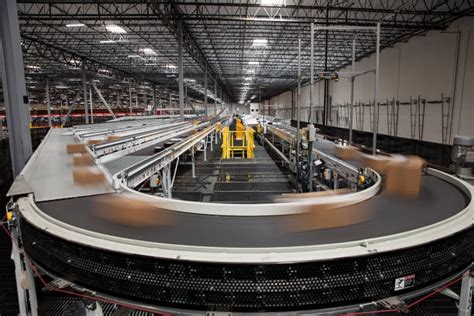
UPS conveyor belts operate in a series of automated stages, moving packages along an intricate network. When a package enters the system, it is directed onto a belt where it is sorted according to its destination and priority. The belts themselves are often equipped with sensors that detect package size and weight, helping to determine the optimal path for each shipment.
However, as packages move along these belts, the mechanical actions can cause minor disruptions, particularly at the junctions where belts meet. These areas, which often involve a slight drop or change in the direction of the package’s movement, can cause straps and packaging to shift or tear. If packaging is not secured properly, it may cause the package to split, resulting in misplaced items.
Environmental Factors Impacting Conveyor Belts
Environmental conditions, such as humidity, temperature, and the general wear and tear on the belts, also play a significant role in the performance of the conveyor systems. A buildup of dust or debris can cause friction, leading to delays and even equipment failure. Moreover, packages that are too heavy or too light can sometimes trigger sensor errors, causing delays or misrouted packages.
Best Practices for Packing Items for UPS Conveyor Belt Systems
Understanding how UPS conveyor belt systems operate and recognizing the potential challenges they present is only half the battle. The other crucial component is optimizing packaging to reduce the risk of issues. Proper packing methods can make the difference between a successful delivery and a package lost in transit.
Strapping Techniques for Secure Packaging
For businesses shipping bundles or stacks of items, using proper strapping techniques is key to preventing breakage or mishaps within the conveyor system. Here are a few packing tips to ensure your packages are secure and will pass through the conveyor system without issues:
- Use Heavy Duty, Tear-Resistant Tape: Regular packing tape may not have the strength needed to withstand the mechanical forces at play within the conveyor system. Use tear-resistant, heavy-duty tape to secure all straps, ensuring they will not come loose during transport.
- Tape Over Straps Securely: To prevent straps from catching on the conveyor system, make sure to tape over them thoroughly. This ensures that the straps do not loosen or move during transit.
- Position Straps Horizontally or Across: There is often debate over whether straps should be placed horizontally or across the package. However, the most reliable approach is to strap across the box and then apply tape over the straps. This method minimizes the chance of the straps catching or shifting during conveyor transit.
- Avoid Excessive Tension: Straps should be tight enough to hold the package together but not so tight that they strain the packaging material. Over-tightening can cause the package to become rigid, making it more likely to break apart when it encounters obstacles on the conveyor.
Choose the Right Box Size and Structure
The dimensions of the box are critical when shipping through UPS conveyor systems. If a box is too large or small, it may not fit properly on the belt, leading to issues with movement or potential damage. Ensure that boxes are appropriately sized for the contents and fit the standards for UPS’s conveyor system.
Additionally, ensure that your packaging can withstand the conditions it will face throughout the journey. Strong, durable boxes that are sealed tightly are less likely to suffer damage than boxes with weak flaps or insufficient reinforcement.
Why Proper Packaging Matters for Business Efficiency
The effectiveness of your packaging directly impacts the efficiency of your business’s shipping process. A package that is improperly packed can lead to delays, damaged products, and even customer dissatisfaction. By investing time and resources into packaging that meets UPS’s conveyor belt system standards, businesses can significantly reduce the likelihood of disruptions and improve overall service delivery.
When your products are shipped securely and efficiently, not only will you enhance your relationship with UPS, but you’ll also build trust with your customers. Faster deliveries and fewer shipping errors will ultimately help improve your bottom line.
FAQ
What is the best way to secure straps for shipping on UPS conveyor belts?
The best way to secure straps is to use heavy-duty, tear-resistant tape. Make sure to tape over the straps securely to prevent them from catching on the conveyor system. Strapping across the box and securing with tape is recommended to minimize any issues with shifting during transport.
How can I prevent my packages from getting lost in the UPS conveyor system?
To prevent packages from getting lost, ensure that your packaging is secure and stable. Use durable boxes that are properly sealed, and apply strapping with strong tape. Make sure the straps are properly positioned and secured, as loose straps can lead to package breakdowns within the system.
Why do packages sometimes get lost or delayed on the conveyor system?
Packages may get lost or delayed if they are improperly packed or if the packaging becomes loose or torn during transit. Issues like loose straps, improperly sealed boxes, or unusual package shapes can interfere with the conveyor system, leading to misrouted or damaged items.