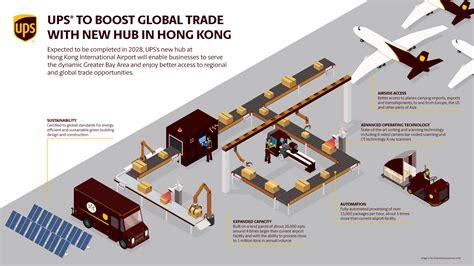
UPS Freight Hubs serve as the essential arteries in the expansive network of United Parcel Service (UPS), ensuring that millions of packages reach their destinations with precision, speed, and efficiency. In the highly competitive logistics industry, the role of strategically positioned hubs cannot be overstated. These facilities manage the sorting, coordination, and redirection of freight and parcel movement throughout the United States and globally. In this article, we explore the scope, significance, and strategic relevance of UPS freight hubs, with a deep dive into key locations and operational dynamics that power the UPS logistics machine.
The Strategic Role of UPS Freight Hubs
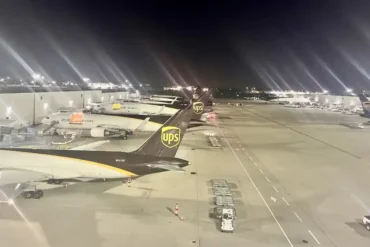
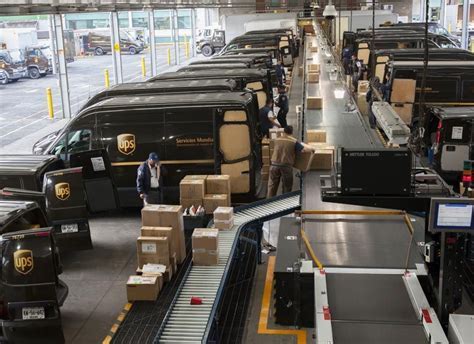
UPS freight hubs act as high-capacity processing centers that coordinate ground and air shipments through integrated logistics systems. They are meticulously positioned to reduce transit times, improve routing efficiency, and lower operating costs. These hubs are different from standard UPS stores or customer centers; they are the core infrastructures that keep the logistics ecosystem functioning 24/7.
Each hub supports:
- High-volume sorting and distribution
- Truckload and less-than-truckload (LTL) shipments
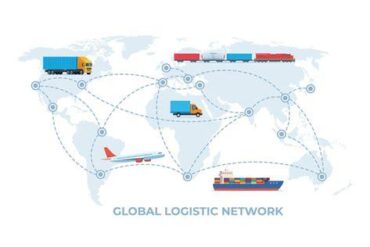
- Multimodal transportation coordination
- Inter-regional freight transfers
- Air cargo transloading

UPS Worldport – Louisville, Kentucky
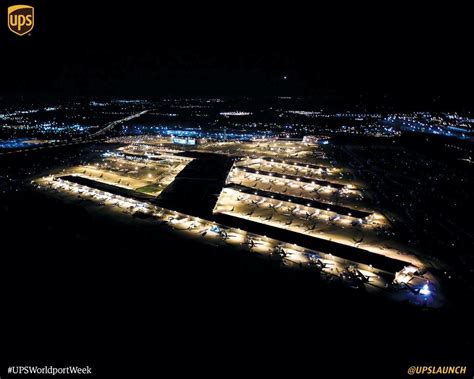
At the heart of UPS’ global operations lies Worldport, the company’s primary air hub located in Louisville, Kentucky. Spanning over 5.2 million square feet, this facility operates as the command center for UPS Air, processing an average of 416,000 packages per hour during peak times. Worldport is directly connected to more than 200 countries and territories, serving as the international artery in UPS’ logistics network.
Key facts about Worldport:
- Handles 2 million packages daily
- Employs over 20,000 workers
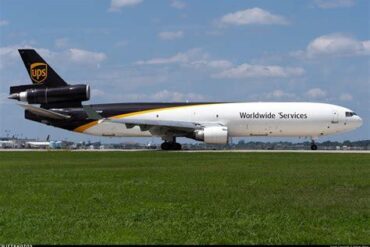
- Connected to UPS Airlines, one of the largest cargo airlines globally
- Integrates AI and automation systems for real-time package tracking and routing
Its location in central Kentucky offers a geographical advantage, enabling quick access to major U.S. cities within a two-hour flight radius. This positioning drastically reduces shipping times for international packages entering or leaving the U.S.
Ontario, California – Western Freight Stronghold
In the western United States, the UPS hub in Ontario, California ranks among the busiest. Serving both ground and air operations, this facility acts as the main gateway for packages moving in and out of the Pacific Northwest, Southwest, and Asia-Pacific regions.
The Ontario hub is critical due to:
- Proximity to Los Angeles International Airport (LAX)
- High throughput for freight from e-commerce giants
- Capacity to handle west coast international and domestic traffic
Employees note the efficiency of lateral transfers within this regional network, making it ideal for UPS personnel aiming for career mobility without extensive relocation challenges.
Lenexa, Kansas – Midwest Distribution Backbone
The Lenexa hub in Kansas City is a vital part of UPS’ ground logistics infrastructure. Situated in the central United States, Lenexa bridges the coasts and midwestern states, playing a crucial role in balancing transit loads from densely populated eastern cities to sprawling western areas.
Lenexa’s operational features include:
- High-capacity ground shipping dock systems
- Interconnectivity with major interstate corridors like I-35 and I-70
- A growing footprint due to regional logistics demand in the Midwest
This hub contributes significantly to the LTL freight sector, especially with increasing shipments driven by industrial and retail supply chains located in America’s heartland.
Philadelphia and Lawnside, New Jersey – Northeast Fulfillment Corridors
Philadelphia and Lawnside offer crucial links for UPS in the Northeastern United States, a region known for dense urban populations and high delivery volumes. These hubs allow UPS to manage high-frequency delivery schedules while mitigating congestion and regulatory constraints common in large cities.
Philadelphia’s role focuses on:
- Urban freight consolidation
- Last-mile logistics
- Quick access to New York, Baltimore, and Washington D.C.
Lawnside, NJ, complements this by providing an accessible suburban processing environment with:
- Expanded facility space
- Efficient highway access to I-295 and NJ Turnpike
Las Vegas, Nevada – Redundancy and Regional Balancer
With at least two hubs in Las Vegas, UPS leverages the city’s logistics-friendly zoning and infrastructure to ease pressure from California-bound freight. These facilities are ideal for handling spillover volume, managing weekend spikes, and supporting regional balancing across the Southwest.
Key strengths of Las Vegas hubs:
- 24/7 operations during high-demand periods
- Local workforce adept in warehouse automation
- Flexible rerouting capabilities during seasonal surges
These hubs also enable faster coverage into Arizona and Utah, reinforcing UPS’ intermountain regional grid.
Atlanta, Georgia – Southeast Freight Megahub
Atlanta hosts several UPS facilities, including those in SMART Pleasantdale and Forest Park. Atlanta’s strategic position in the Southeastern U.S. makes it a launchpad for high-volume freight entering southern states and Florida.
Facility benefits in the Atlanta area include:
- Robust connections to the Port of Savannah
- Proximity to Hartsfield-Jackson Atlanta International Airport
- Access to the Southeast’s booming industrial economy
The Forest Park hub, in particular, is noted for its state-of-the-art logistics systems, offering faster turnaround on inbound and outbound shipments.
Additional Hubs of Strategic Importance
Beyond the main mega hubs, there are several other UPS freight hubs distributed across the country that contribute to network flexibility, seasonal load management, and backup operations. These include:
- IKEUT Utah – servicing Rocky Mountain and intermountain states
- Chicago, Illinois – major ground freight hub for upper Midwest
- Phoenix, Arizona – growing in significance due to rising logistics investments
- Dallas-Fort Worth, Texas – vital for cross-country east-west freight routes
Each of these hubs plays a part in regional routing efficiencies, customized fulfillment solutions, and industry-specific freight handling, particularly for retail, healthcare, and automotive sectors.

Employment and Internal Transfers
For UPS employees, the hub network structure presents opportunities for career growth and geographic mobility. However, internal transfers between hubs may be limited by regional constraints or job availability.
UPS offers:
- 22.3 full-time combo positions at larger hubs
- Opportunities for internal promotions within high-demand locations
- Access to internal job portals for tracking transfer options
Employees in the Pacific Northwest, for instance, often face limited transfer options beyond their region unless they choose to resign and reapply. Nevertheless, hub locations in Arizona, California, and Nevada offer more lateral transfer flexibility due to inter-regional demand.
Conclusion
The UPS freight hub network forms the critical skeleton of America’s modern logistics landscape. From Worldport’s international connectivity to Lenexa’s ground freight balancing, each hub fulfills a precise function in a decentralized, ultra-efficient delivery system. With e-commerce growth, global supply chain shifts, and evolving consumer expectations, UPS freight hubs will remain vital to ensuring package reliability, speed, and scale.
Frequently Asked Questions
What is the difference between a UPS freight hub and a customer center?
A UPS freight hub handles the sorting and routing of massive package volumes, typically involving air and ground logistics infrastructure. In contrast, a customer center serves individuals and small businesses for drop-offs, pick-ups, and basic shipping needs.
Can UPS employees transfer between hubs?
Yes, but transfer policies depend on regional networks and job availability. Some hubs support lateral movement more than others, while certain geographic zones restrict cross-regional transfers unless employees leave and reapply.
Which is the largest UPS freight hub in the U.S.?
UPS Worldport in Louisville, Kentucky, is the largest freight hub, operating as the company’s central air logistics hub and processing over 2 million packages daily.