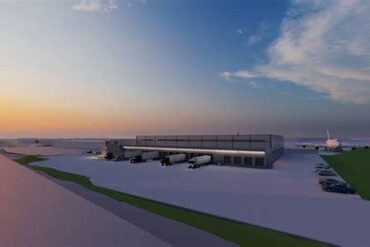
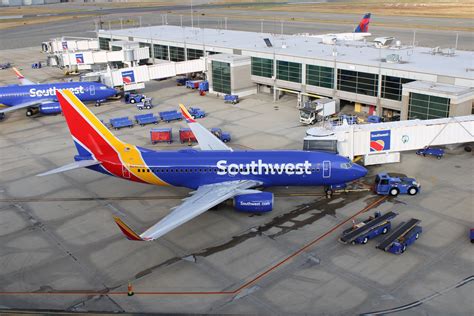
Southwest Airlines has officially unveiled a massive infrastructure expansion at Denver International Airport (DEN), debuting a new 30,000-square-foot cargo facility designed to enhance freight speed, operational reliability, and cross-border logistics across Mexico, Canada, and the United States. This strategic move not only addresses the surging demand in Southwest’s busiest hub but also establishes Denver as a cornerstone in the airline’s long-term logistics and service network.
A New Chapter in Southwest’s Infrastructure Growth Strategy
The new cargo hub is the latest addition to a series of major infrastructure investments by Southwest Airlines in Denver. Known for its expansive network and reliable service, the airline is doubling down on its logistical footprint to better serve its commercial clients and cargo customers alike. With nearly 300 daily departures during peak seasons and service to over 90 destinations in North America, Denver is now more than a transit point—it’s an epicenter of operations.
Southwest’s decision to expand in Denver aligns with the airport’s evolution into a high-capacity logistics gateway, centrally located within the United States. This geographic advantage makes it ideal for cross-continental freight connections, offering efficient routes for east-west shipments and expanding cargo operations.
Inside the New Cargo Facility: Technology, Speed, and Flexibility
Purpose-built for maximum efficiency, the facility boasts six high-capacity loading docks designed to handle multiple freight loads simultaneously. These docks dramatically cut down wait times and allow for swift cargo turnaround, which is especially critical in time-sensitive industries such as medical logistics, fresh produce distribution, and manufacturing parts shipment.
A highlight of the new building is its expanded refrigerated storage, doubling the cold-chain capacity compared to the airline’s previous Denver facility. This leap in cooling infrastructure ensures that perishable and temperature-sensitive goods—like pharmaceuticals, biological materials, and gourmet food products—maintain integrity throughout their transit.
The facility also features segmented and optimized storage zones, allowing cargo teams to categorize and manage a broad spectrum of shipment types, including hazardous materials, fragile goods, and time-critical packages. The layout was engineered not just for volume, but for workflow fluidity and service quality.
Customer-Focused Cargo Operations: ‘Relentlessly Reliable’ in Action
Underpinning the technological upgrades is Southwest’s trademark emphasis on exceptional customer service. The cargo team at DEN operates under the guiding principle of being “Relentlessly Reliable,” providing clients with consistent, transparent, and personalized cargo solutions. Whether servicing regional businesses or multinational enterprises, the cargo team is trained to ensure shipments are handled with precision, care, and urgency.
With a team experienced in both logistical problem-solving and client communication, the Denver facility embodies Southwest’s broader goal of extending its passenger service excellence into the cargo arena. Businesses can now expect the same hallmark friendliness and responsiveness in their cargo transactions as Southwest passengers do in the skies.
Denver as a Strategic Cargo and Operational Superhub
Southwest’s Denver expansion is deliberate and data-backed. With the city’s rapid growth as a commercial and transportation crossroads, it has become an ideal point of convergence for freight logistics serving not only the Rocky Mountain region but the entire U.S. corridor between the Midwest and the Pacific coast.
The airline’s latest cargo hub enhances its ability to serve as a critical connector between Canada, the U.S., and Mexico. Given the North American supply chain’s increasing reliance on speed and adaptability, Southwest’s Denver investment directly addresses growing demand in cross-border e-commerce, B2B logistics, and next-day delivery networks.

Part of a Bigger Picture: Multiple Facilities Powering One Unified Vision
The Denver cargo hub is just one facet of a multi-pronged infrastructure initiative by Southwest Airlines:
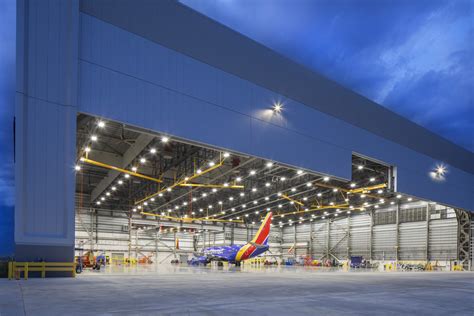
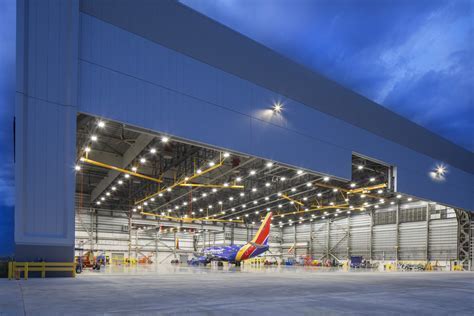
- In 2022, the airline opened a maintenance hangar at DEN to streamline aircraft servicing, accelerate turnaround times, and reduce maintenance delays across the western U.S.
- Earlier this year, a new off-airport training center was launched in the Colorado Aerotropolis, allowing the airline to train its growing workforce in an advanced facility close to its operational heart.
- Soon to follow is a 100,000-square-foot General Use Building, where the Provisioning and Ground Support Equipment teams will be centralized for enhanced collaboration and improved equipment readiness.
These projects, when viewed as a collective, show a tightly integrated strategy aimed at making Denver more than a busy terminal—it’s becoming an operations nucleus, supporting thousands of employees, dozens of departments, and millions of customers.
Boosting Economic and Regional Connectivity
Beyond internal logistics, the cargo hub also brings tangible economic benefits to Denver and its surrounding regions. The increased cargo throughput supports regional businesses with faster supply chains, reduced shipping costs, and more consistent delivery schedules.
Local producers, from tech manufacturers to organic farms, gain a competitive edge by using Southwest’s streamlined logistics and broad reach. In turn, this fosters more economic activity and job creation in industries tied to transport, manufacturing, agriculture, and e-commerce.
Enhancing the Post-Pandemic Logistics Landscape
The launch of this facility also signals a strategic response to post-pandemic logistics challenges. With global supply chains still stabilizing, and customer expectations for delivery speed and reliability higher than ever, the airlines that invest in next-gen logistics now will be the ones leading tomorrow.
Southwest’s proactive infrastructure development positions it as a key player in air cargo modernization, especially at a time when businesses are looking to shift away from congested seaports and ground-based freight.
Long-Term Vision Anchored in Excellence
Everything about the Denver cargo hub—from its high-tech design and scalable layout to its customer-first culture—demonstrates a clear trajectory: Southwest is not just investing in infrastructure, it’s investing in market leadership.
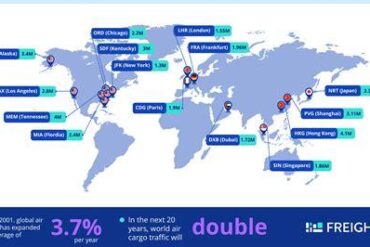
As global air cargo volumes continue to rise, particularly in North America, Southwest’s strategic expansion in Denver places it ahead of the curve. It’s no longer just about hauling passengers efficiently—today, it’s about delivering logistics leadership, operational agility, and commercial trust.
Conclusion: A Freight-Focused Future with Customer Service at Its Core
The opening of Southwest Airlines’ cargo hub at Denver International Airport represents far more than a new building. It symbolizes a redefinition of service excellence, where infrastructure meets vision, and where cargo isn’t just moved—but moved with precision, speed, and heart.
With simultaneous investments in training, maintenance, and cross-functional operations, Southwest is executing a strategy that positions Denver as a next-generation air logistics hub—not just for the U.S., but for all of North America. As the airline continues to expand its reach and improve its operations, businesses, communities, and customers stand to gain, cementing Southwest’s role as a leader in the evolving logistics ecosystem.