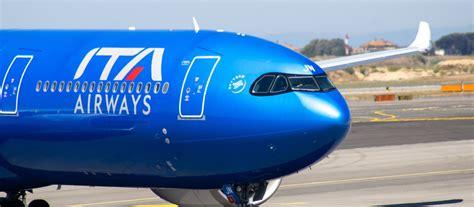
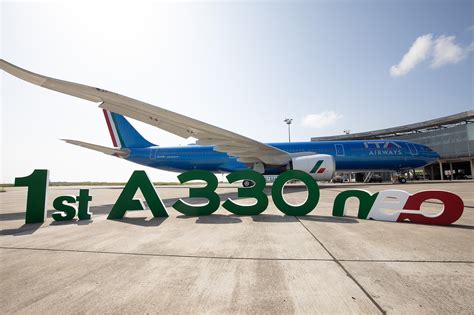
ITA Airways is accelerating its sustainability strategy by deploying artificial intelligence across its operations to reduce fuel consumption and emissions during one of the most energy-intensive phases of flight. The Italian flag carrier is rolling out SITA’s OptiFlight climb optimisation platform throughout its fleet, aiming to save approximately 7,100 tons of fuel and reduce carbon dioxide emissions by nearly 22,100 tons between 2025 and 2026.
The initiative reflects a broader transformation underway in commercial aviation, where airlines are increasingly relying on advanced data analytics and machine learning to improve efficiency without waiting for long-term breakthroughs such as hydrogen propulsion or large-scale sustainable aviation fuel production. By focusing on operational precision, ITA Airways is targeting immediate environmental gains while also lowering one of the industry’s largest operating expenses.
Fuel costs remain a critical pressure point for airlines worldwide, particularly in Europe where tightening environmental regulations and emissions trading costs are forcing carriers to rethink every stage of flight operations. Instead of relying solely on future aircraft technologies, ITA Airways is pursuing measurable improvements using software-driven optimisation tools that can be integrated into existing fleets.
AI Targets the Most Fuel-Intensive Moments of Flight
Aircraft climbs consume enormous amounts of fuel because engines operate at high thrust while planes rapidly gain altitude after takeoff. Even small inefficiencies during this phase can create significant long-term waste when multiplied across thousands of annual departures. Variations in weather conditions, aircraft weight, air traffic constraints, and pilot handling all influence fuel burn during climbs.
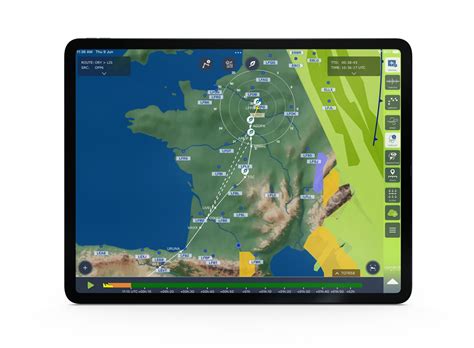
SITA’s OptiFlight system addresses these variables using predictive analytics powered by artificial intelligence. The platform processes aircraft-specific performance data together with real-time four-dimensional weather information to calculate the most efficient climb profile for every individual flight. Instead of relying on generalized assumptions, the software creates tail-specific models for each aircraft, allowing highly precise optimization under changing operational conditions.
The AI platform continuously adjusts variables including climb speed, thrust management, acceleration patterns, and altitude transitions. This dynamic approach enables aircraft to maintain optimal efficiency throughout departure procedures while preserving operational safety and schedule reliability.
According to ITA Airways, early implementation of the technology has already delivered substantial fuel savings, encouraging the airline to expand the system across its network.
ITA Airways Positions Sustainability at the Core of Operations
The deployment of OptiFlight is becoming a central element of ITA Airways’ environmental strategy as the carrier seeks practical methods to reduce emissions without disrupting operational performance. Rather than treating sustainability as a separate initiative, the airline is embedding AI-assisted optimization directly into routine flight operations.
Francesco Presicce, Chief Innovation and Strategic Projects/Vision at ITA Airways, described the rollout as a concrete example of how data-driven technologies can support both operational excellence and environmental responsibility simultaneously.
He emphasized that artificial intelligence enables measurable emissions reductions while maintaining safety and efficiency standards, positioning the initiative as part of the airline’s wider commitment to responsible aviation growth.
European Airlines Face Growing Financial Pressure From Emissions Costs
The timing of ITA Airways’ AI expansion is especially significant as European carriers prepare for rising environmental compliance expenses linked to the European Union Emissions Trading System. Airlines are now confronting escalating costs as emission allowance exemptions gradually disappear.
Industry forecasts suggest carriers could face tens of millions of euros in additional annual expenses by the end of the decade. KLM, for example, previously reported paying €25 million in ETS-related costs in 2019, with projections climbing to €325 million annually by 2030.
Against this backdrop, operational efficiency is becoming more valuable than ever. Every ton of fuel saved not only lowers direct operating expenses but also reduces exposure to costly emissions charges. AI-powered optimisation tools offer airlines an immediate pathway toward measurable environmental improvements without requiring expensive fleet replacements or major engineering modifications.
Yann Cabaret, CEO of SITA for Aircraft, stated that the aviation industry urgently needs scalable digital solutions capable of reducing emissions while preserving operational efficiency. He noted that ITA Airways’ adoption of OptiFlight demonstrates how intelligent use of operational data can produce tangible environmental results.
Incremental Efficiency Gains Create Large-Scale Environmental Benefits
While climb optimisation represents only one segment of a flight, the cumulative impact becomes substantial when applied consistently across an entire airline network. Thousands of optimized departures annually can translate into major reductions in fuel consumption and carbon emissions.
The broader airline industry is increasingly embracing AI-driven operational tools as carriers search for realistic near-term sustainability solutions. With sustainable aviation fuel supplies still limited and next-generation aircraft technologies years away from mass adoption, airlines are focusing on incremental operational improvements that deliver immediate results.
For ITA Airways, artificial intelligence is no longer an experimental technology operating in the background. It is becoming an active decision-making partner capable of improving efficiency, reducing costs, and helping the airline navigate the growing environmental and financial challenges reshaping global aviation.