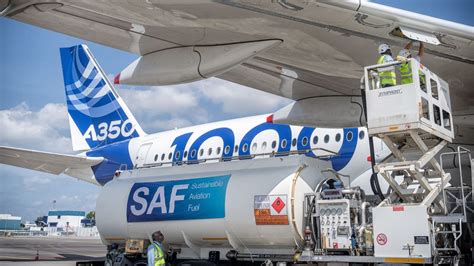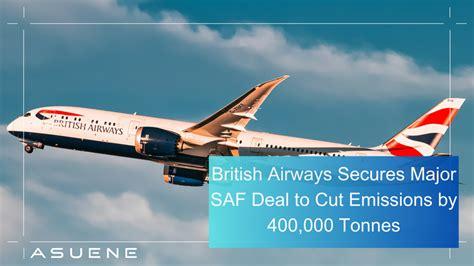
British Airways has made a bold move toward decarbonizing air travel by securing a long-term agreement with Hong Kong-based EcoCeres for the supply of Sustainable Aviation Fuel (SAF). This pivotal partnership not only strengthens the carrier’s commitment to achieving 10% SAF usage by 2030 but also positions British Airways as a trailblazer in the global transition to greener aviation.
The landmark agreement ensures a multi-year supply of SAF from EcoCeres’ cutting-edge production facility in Jiangsu, China, setting a high standard in international cooperation and renewable fuel innovation.
A New Era of Transcontinental Sustainability
British Airways’ decision to align with EcoCeres demonstrates an expanding vision that sees Asia as a critical player in aviation sustainability. EcoCeres, a pioneer in waste-based biofuel production, operates with a sophisticated system that transforms non-edible biomass, agricultural residue, and waste oils into high-quality SAF. Their Jiangsu site is designed to meet global certification standards, producing SAF capable of slashing lifecycle carbon emissions by up to 80%.
The projected emissions savings of 400,000 metric tonnes from this agreement are staggering. That’s equivalent to the carbon output of approximately 240,000 roundtrip economy passengers flying between London and New York. It’s not just symbolic—it’s a measurable leap toward meeting climate goals.
EcoCeres: Driving Innovation from East to West
Based in Hong Kong, EcoCeres has steadily built a reputation for engineering solutions that address one of aviation’s biggest challenges—fuel-related emissions. Their advanced bio-refinery in Jiangsu is equipped to scale SAF production globally, and the British Airways deal acts as a major endorsement of their capability.
By securing a high-profile European carrier like BA as a customer, EcoCeres positions itself as a trusted supplier for international airlines seeking long-term, low-emission fuel sources. The company emphasized that this partnership marks a critical inflection point in the global SAF supply chain, fostering greater cross-border cooperation in the fight against climate change.
Strategic Sustainability Under the IAG Umbrella
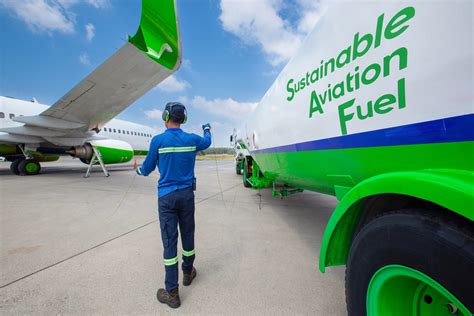
British Airways is not acting alone. The carrier’s parent company, International Airlines Group (IAG), has pledged a formidable $865 million investment in SAF development over the next decade. The EcoCeres deal is one pillar in a wider SAF acquisition framework, complementing earlier partnerships with key players like LanzaJet.
LanzaJet’s Freedom Pines Fuels facility in Georgia, USA, has already garnered attention for its use of ethanol from agricultural waste, and a UK-based version is being backed by BA. This diversified approach to SAF sourcing reflects a keen awareness that global production capability and regional access are both critical in making SAF viable across the board.
Why SAF Is Aviation’s Most Viable Decarbonization Path
Commercial aviation is responsible for about 2–3% of global CO₂ emissions, and without meaningful intervention, that share is expected to rise. Technologies like electric propulsion and hydrogen fuel cells are promising but remain far from commercial deployment on long-haul aircraft. This makes SAF the most immediately scalable solution for cutting emissions on existing fleets.
Yet SAF currently makes up less than 0.1% of global jet fuel use. This glaring gap is largely due to high costs, production bottlenecks, and policy inertia. That’s why long-term contracts like the one signed between British Airways and EcoCeres are vital. They not only create market signals to attract investment into refining infrastructure but also help governments justify subsidies, tax breaks, and incentives that can drive broader adoption.
Tackling the Scaling Problem
One of the biggest challenges facing SAF adoption is scaling production capacity. While the technology to create SAF exists and is proven, gathering sufficient feedstock, expanding refining facilities, and ensuring fuel certification are labor- and capital-intensive endeavors.
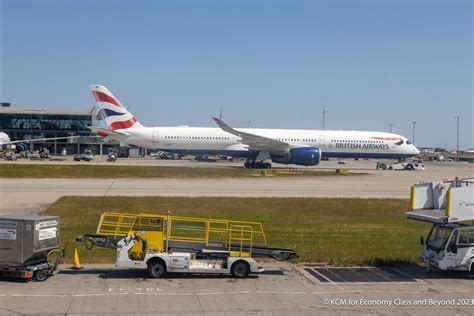
British Airways’ strategy of diversifying its SAF supply base—from the U.S. and the UK to now China—demonstrates a risk-mitigation approach. It’s a recognition that no single producer or region can meet future SAF demand alone. Building a global SAF network with credible partners ensures a consistent, cost-efficient supply for years to come.
Furthermore, having EcoCeres on board brings Asian supply chain advantages, including feedstock diversity, labor flexibility, and a regulatory environment increasingly attuned to sustainability-driven export industries.
Impact on Policy and Global Market Dynamics
This transcontinental SAF deal may become a blueprint for intergovernmental alignment on sustainable fuels. The UK’s Jet Zero strategy sets the framework for net-zero aviation by 2050, but tangible progress depends on commercial leadership like this. BA’s early adoption may prompt policy enhancements and public-private partnerships to help scale the market further.
There’s also potential for a domino effect in Europe and Asia. As the EU tightens aviation emissions regulations and introduces SAF blending mandates, airlines that have established supply chains—like British Airways—will be better positioned to comply without facing supply shortages or premium costs.
This could encourage other carriers to replicate the BA-EcoCeres model: forming direct relationships with SAF producers, negotiating volume guarantees, and securing long-term price stability.
Consumer Perception and Brand Equity
For British Airways, the EcoCeres deal delivers more than carbon reductions—it offers brand leverage. In an era where passengers are increasingly climate-conscious, investing in sustainability is also an investment in customer loyalty. Travelers—especially from corporate and premium sectors—are starting to factor airline sustainability performance into their booking decisions.
By publicizing its SAF strategy and naming its partners, British Airways ensures that it not only meets technical milestones but also capitalizes on reputational gains. Transparency in how, where, and with whom SAF is sourced builds consumer trust in the airline’s environmental claims.
A Model for the Global Aviation Industry
The implications of this deal extend well beyond the BA-EcoCeres relationship. It sends a clear message that SAF is not a boutique experiment but a cornerstone of aviation’s climate response. As airline alliances, airport authorities, and international regulators convene around climate targets, this kind of bipartisan, interregional agreement sets the benchmark.
It demonstrates that with visionary leadership, solid partnerships, and a willingness to invest ahead of regulation, airlines can proactively reshape the aviation landscape. As EcoCeres ramps up production and more airlines look eastward for fuel diversification, we may be witnessing the emergence of a truly global SAF ecosystem.
Conclusion: A Milestone Toward Net-Zero Skies
British Airways’ long-term SAF partnership with EcoCeres is more than a fuel supply contract—it’s a strategic realignment of aviation’s environmental future. With the potential to slash 400,000 tonnes of CO₂ and redefine how airlines approach decarbonization, the agreement highlights the role of innovation, geography, and foresight in solving aviation’s climate challenge.
By weaving sustainability into its international operations and fostering robust transnational partnerships, British Airways is not just flying passengers—it’s leading the industry toward a cleaner sky.