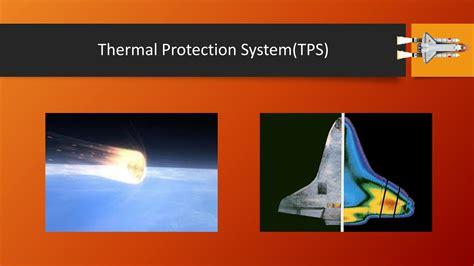
Aerospace vehicles are subjected to extreme conditions during their missions, particularly when they experience the challenges of re-entry or operate at hypersonic speeds. Thermal Protection Systems (TPS) are essential to protect these vehicles from intense heat, pressure fluctuations, and other environmental hazards. These systems utilize a combination of insulating materials, reflective coatings, and specialized designs to ensure the safety and longevity of spacecraft and aeronautical vehicles. In this article, we will explore the importance of TPS, the various types of protection systems, and why innovative solutions like Q Shield are leading the way in aerospace protection.
What is a Thermal Protection System (TPS)?
A Thermal Protection System (TPS) is a crucial element of any aerospace or hypersonic vehicle designed to survive extreme environmental conditions, including re-entry into the Earth’s atmosphere. TPS shields the vehicle’s external surface from thermal damage, preserving the integrity of sensitive equipment and protecting the safety of passengers or cargo onboard. Thermal shields are often constructed using materials that reflect, absorb, or dissipate heat to prevent excessive temperatures from damaging the vehicle’s structure. Depending on the mission and vehicle type, TPS solutions can be customized to handle various levels of heat flux, including those generated during hypersonic flight or space re-entry.
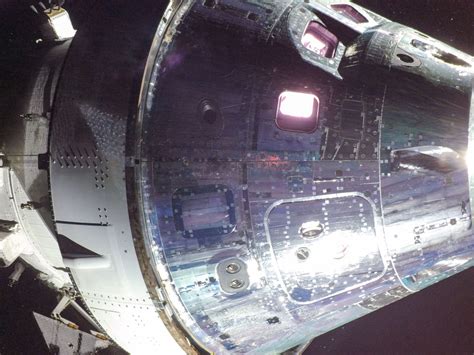
How Does a Thermal Protection System Work?
Thermal Protection Systems work by using advanced materials and technologies that shield the vehicle’s outer surfaces from the damaging effects of heat. These systems are designed to withstand a range of conditions, including friction-based heating, rapid temperature fluctuations, and high thermal loads. Depending on the type of mission, a TPS can utilize passive, semi-passive, or active methods of thermal regulation.
- Passive Systems: These systems include heat sinks that absorb excess heat, insulation to block short-term heat fluxes, and hot structures that resist moderate, long-lasting heat increases. Passive TPS are used for missions where extreme temperatures are not sustained over long periods, but still require significant protection. These systems can endure hypersonic speeds and space re-entry applications.
- Semi-Passive Systems: These systems circulate fluids to absorb unwanted heat and release it in a controlled manner. Semi-passive TPS are ideal for long-term and high-heat fluxes, especially when the environment generates more heat than passive systems can handle. This makes semi-passive systems highly effective for hypersonic and space reentry applications.
- Active Systems: Active TPS utilize similar fluid-based principles to manage heat. These systems actively circulate coolants to absorb heat from sensitive areas and dissipate it before it can cause damage. However, the high temperatures involved in certain space missions and re-entry events often make active systems less suitable for extreme conditions.
Types of Thermal Protection Systems
Thermal protection systems come in different designs and materials based on their intended use and mission duration. The specific choice of TPS will depend on the operational environment, such as re-entry or hypersonic flight.
- Ablative TPS: These systems are sacrificial, meaning they burn up or degrade during use, carrying the heat away with them. Ablative systems are often used for one-time-use missions, such as spacecraft returning from space.
- Reusable TPS: These systems are designed to withstand multiple missions. A key innovation in reusable launch vehicles (RLVs) is the development of TPS that can endure the intense thermal stresses of re-entry while maintaining their structural integrity for reuse. Q Shield, for example, is a cutting-edge reusable TPS solution designed for this purpose.
- Multi-Layer Insulation (MLI): Multi-layer insulation involves the use of several layers of thin materials designed to reflect or absorb heat, making it highly effective in protecting spacecraft during the extreme temperature changes experienced during space missions.
Q Shield: A Revolutionary Thermal Protection Solution
One of the most advanced TPS solutions on the market today is Q Shield, developed by TexTech Industries. This innovative product is engineered to meet the demanding requirements of space re-entry and high-heat applications. Q Shield’s design integrates high-performance thermal insulation with surface coatings that are designed to resist high-temperature damage, offering robust protection for the vehicle’s exterior.
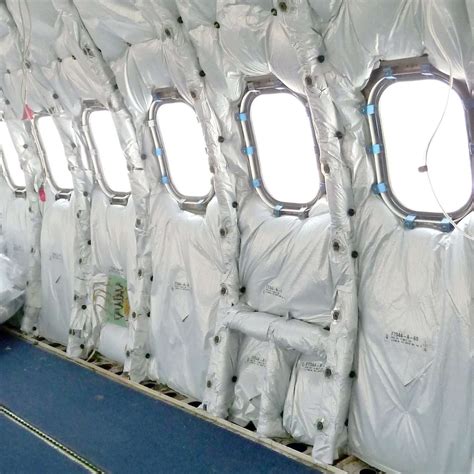
Q Shield provides superior performance in several key areas:
- Emissivity Control: The surface coatings on Q Shield can be customized to adjust the emissivity properties of the system. This enables optimal heat radiation management, allowing spacecraft to maintain safer internal temperatures.
- Absorptivity: By customizing the absorptivity levels of the material, Q Shield helps control how much heat is absorbed and how it is dissipated across the system. This ensures that the heat load is evenly distributed, preventing localized hot spots.
- Electrical Conductivity: Q Shield’s coatings can also be tailored to meet specific electrical conductivity requirements, providing static dissipation for sensitive equipment on the vehicle.
- Thermal Load Resistance: One of the standout features of Q Shield is its ability to handle extreme thermal loads, especially during high-velocity atmospheric re-entry. Its ability to endure these conditions makes it highly effective for reusable launch vehicles (RLVs).
Key Advantages of Q Shield Over Traditional TPS Solutions
While there are several types of thermal protection systems available, Q Shield offers significant advantages in terms of performance, efficiency, and cost-effectiveness:
- Reusability: Unlike many traditional TPS solutions that are designed for single-use, Q Shield is built for reuse. This reduces operational costs and enhances the overall lifespan of aerospace vehicles.
- Customization: TexTech offers a variety of customization options for Q Shield, including surface coatings, thermal load resistance, and electrical conductivity features. This ensures that each TPS is tailored to meet the specific needs of the mission.
- Durability: Q Shield’s robust construction ensures it can withstand the harshest conditions of re-entry and hypersonic flight, making it a long-term solution for space agencies and private aerospace companies.
- Cost-Effective: The reusability of Q Shield directly translates to reduced operational costs, as vehicles can be re-launched without requiring expensive new thermal protection coatings after each mission.
- Faster Turnaround Times: Because Q Shield is reusable, spacecraft outfitted with this TPS can undergo quicker maintenance and preparation for subsequent launches. This is particularly valuable for programs requiring rapid vehicle turnaround.
Conclusion
As the aerospace industry moves toward reusable space vehicles and hypersonic travel, the demand for advanced thermal protection systems has never been higher. Q Shield by TexTech Industries stands at the forefront of this technological evolution, offering an innovative and reliable solution for protecting vehicles against the extreme temperatures encountered during re-entry and high-speed flight. With its ability to handle immense thermal loads, customizable features, and reusability, Q Shield is setting a new standard for the future of aerospace protection.
For more information about Q Shield or to explore other TPS solutions, contact TexTech Industries and discover how our products can enhance the safety and efficiency of your aerospace missions.