In the modern aerospace sector, materials testing stands as the final gatekeeper between innovation and disaster. Every component, from turbine blades to structural fasteners, must endure conditions that push materials to their absolute limits. As the aerospace industry faces mounting challenges—from supply chain disruptions to counterfeit components—the role of rigorous and scientific materials testing becomes not just essential, but existential.
Recent years have underscored the gravity of this need. Airlines grounded aircraft due to fraudulent parts, raising urgent questions about verification processes and safety protocols. Simultaneously, advancements in additive manufacturing and novel composite materials are revolutionizing design and production, demanding new forms of validation and quality assurance. It is within this high-stakes environment that aerospace materials testing emerges as a keystone of aviation safety, reliability, and regulatory compliance.
The Imperative of Aerospace Materials Testing
Modern aerospace components operate in extraordinary environments—high temperatures, rapid pressure fluctuations, sustained mechanical loads, and corrosive conditions. Without proper testing, the performance and durability of such components remain speculative at best.
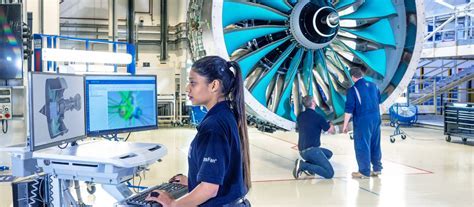
Mechanical testing methods such as creep, stress rupture, and fatigue testing offer predictive insights into how materials behave over time under cyclic or sustained loads. These tests provide engineers with the data needed to estimate product lifecycles, define maintenance intervals, and prevent in-service failures.
Key tests include:
- Creep Testing: Evaluates time-dependent deformation under constant load, vital for turbine and structural applications.
- Stress Rupture Testing: Measures time to failure at a constant stress and elevated temperature.
- Fatigue Testing: Predicts performance under cyclic loading, identifying crack initiation and propagation.
These insights allow aerospace engineers to select materials based on empirical data rather than theoretical models, greatly improving aircraft safety margins.
Combatting Counterfeit Components with Testing
In August 2023, headlines erupted over a scandal involving fake aerospace components. Fraudulent parts, complete with falsified certification documents, were discovered in engines of major carriers including Southwest, Delta, and American Airlines.
The scandal exposed systemic vulnerabilities in the supply chain and underscored the urgent need for third-party verification testing. Non-destructive testing (NDT) and advanced compositional analysis can quickly determine whether a part conforms to OEM specifications—even when visual inspections and paperwork appear flawless. By cross-verifying material properties such as hardness, tensile strength, and alloy composition, testing laboratories serve as a final defense line against counterfeit infiltration.
Additive Manufacturing: The Frontier of Aerospace Innovation
As the industry increasingly turns to 3D printing for prototyping and part production, the importance of additive materials testing cannot be overstated. Though promising in terms of design flexibility and cost-efficiency, additive manufacturing introduces new uncertainties in microstructure consistency, residual stress, and porosity levels.
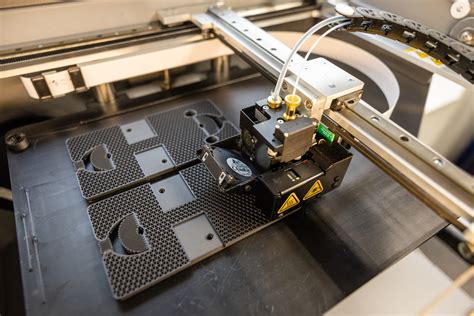
Testing in this realm involves:
- Microstructure Characterization using microscopy and computed tomography (CT)
- Density and Porosity Evaluation via Archimedes methods or X-ray inspection
- Mechanical Testing of Additive Parts for tensile strength, fatigue limits, and impact resistance
These procedures help validate 3D-printed components before flight use, ensuring that innovative designs do not come at the cost of safety or performance. Organizations like Innovative Test Solutions (ITS) have developed proprietary protocols to benchmark additive parts against conventional materials.
Thermal Barrier Coating (TBC) Testing: Ensuring Performance Under Fire
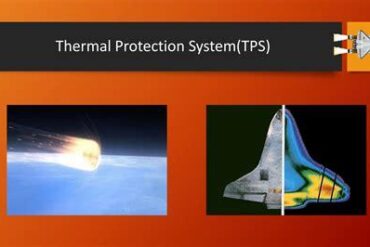
Thermal barrier coatings are applied to components such as turbine blades to protect them from extreme combustion temperatures. Without proper performance, these coatings can delaminate or oxidize, compromising the integrity of the entire propulsion system.
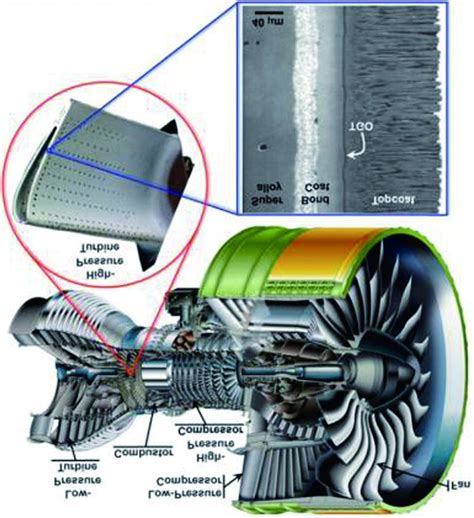
Thermal shock testing, furnace cycling, and Jet Engine Thermal Shock (JETS) simulations replicate real-world conditions to assess how coatings respond to thermal gradients and cyclic heating. These methods help manufacturers fine-tune coating formulations and predict failure points before deployment.
Benefits of TBC testing include:
- Improved fuel efficiency by enabling higher operating temperatures
- Enhanced component lifespan and reduced maintenance downtime
- Detailed insight into failure mechanisms for future design improvements
The Role of ITS in Aerospace Testing Excellence
Founded in 2004, Innovative Test Solutions, Inc. (ITS) has positioned itself as a leader in advanced materials testing. Operating from its ISO/IEC 17025 accredited lab in Schenectady, New York, ITS specializes in both standardized ASTM testing protocols and customized mechanical test rigs tailored to specific client needs.
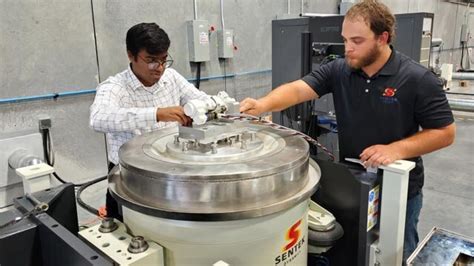
Core services offered by ITS include:
- Fatigue Testing (High- and Low-Cycle)
- Vibration Testing using multi-axis shaker systems
- Thermal Testing under real-world aerospace conditions
- Fracture Mechanics and Friction/Wear Analysis
- Additive Manufacturing Qualification
By duplicating actual stressors encountered in service, ITS provides actionable data that guides design, manufacturing, and quality assurance. For example, vibration testing evaluates how avionics and airframe components withstand resonant frequencies, identifying vulnerabilities before catastrophic failure occurs.
Regulatory Compliance and Testing Standards
Compliance with FAA, EASA, and DoD standards is non-negotiable in the aerospace industry. Materials testing provides the backbone for Part 25 airworthiness certification, MIL-STD compliance, and AS9100 quality assurance. Testing not only validates performance but also supports the documentation and traceability required by global regulators.
Companies like ITS ensure that every test aligns with relevant industry protocols, whether it’s ASTM E606 for fatigue or ISO 17201 for thermal performance. Their experience in serving defense, aerospace, and energy sectors equips them to navigate the intricate compliance landscape effectively.
Conclusion: Trust Built on Data
In an age where supply chains are vulnerable, technology is advancing rapidly, and safety expectations are uncompromising, aerospace materials testing has become a strategic necessity. From mechanical durability and thermal resilience to verification against fraud, robust testing ensures that every flight operates within the boundaries of engineered certainty.
Organizations that invest in comprehensive materials testing not only minimize operational risk but also accelerate innovation, ensure compliance, and build trust among stakeholders and passengers alike. As pioneers in this critical field, companies like ITS remind us that in aerospace, data isn’t just informative—it’s lifesaving.