Flight testing remains one of the most critical pillars in aeronautical engineering, bridging the divide between theoretical design and real-world performance. As we continue to push boundaries in both commercial and military aviation, the importance of rigorous in-flight evaluation becomes ever more pronounced. This process is not only essential for certifying airworthiness, but also for refining design integrity, expanding performance envelopes, and ultimately ensuring safety for pilots and passengers alike.
At its core, flight testing involves the precise measurement and assessment of an aircraft’s or spacecraft’s behavior during actual atmospheric flight. It serves both developmental and certification purposes, utilizing an elaborate suite of sensors and instrumentation systems that collect critical data from thousands of test points. These evaluations are often the final gatekeepers before an aircraft is delivered into service or approved for production.
Defining the Scope and Strategic Importance of Flight Testing
Flight testing is not a monolithic process but a spectrum of targeted evaluations ranging from isolated system trials to full-scale aircraft certification programs. The scope of these efforts can vary drastically, sometimes spanning just a few weeks or extending over several years, especially for complex military or space-bound platforms.
The primary objectives of any flight test program include:
- Identifying and resolving design flaws before mass production.
- Documenting and validating performance capabilities as per operational requirements.
- Gaining regulatory certification from aviation authorities like the FAA, EASA, or military acquisition agencies.
Whether the mission is civil or military, the underlying methodologies remain grounded in scientific precision and strategic planning.
Divergent Paths: Civil vs. Military Aircraft Testing
When evaluating civil aircraft, the onus lies predominantly on the manufacturer. Funding, development, and the initial rounds of troubleshooting all precede the involvement of certifying agencies. Agencies like the Federal Aviation Administration (FAA) or European Union Aviation Safety Agency (EASA) only step in once a viable test article has been produced, with the focus shifting toward compliance, pilot documentation, and passenger safety.
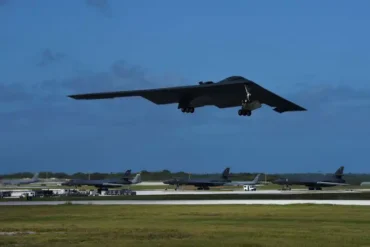
Conversely, military flight testing operates under an entirely different structure. These programs are generally government-funded from inception, with detailed Statements of Work (SoWs) outlining mission-specific capabilities. Here, military engineers and test pilots often integrate directly with the manufacturer’s team well before the first flight. The government plays an active role, ensuring that every tested capability aligns with strategic defense objectives.
Key phases include:
- Developmental Test & Evaluation (DT&E) led by manufacturers.
- Operational Test & Evaluation (OT&E) conducted independently by the military to confirm mission readiness.
Sites like Edwards Air Force Base and NAS Patuxent River represent the epicenters of U.S. military flight testing, supported by premier institutions such as the U.S. Air Force Test Pilot School.
Space and Edge-of-Atmosphere Vehicles
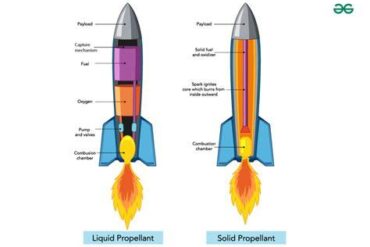
The evolution of flight test programs for launch vehicles and reusable spacecraft has significantly intensified with the rise of commercial spaceflight. These vehicles, such as the Space Shuttle, Dream Chaser, and SpaceX’s Starship, require exhaustive atmospheric evaluations due to the aerodynamic loads encountered during ascent and reentry.
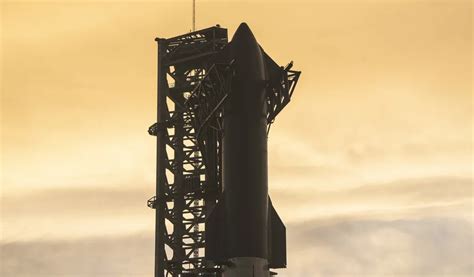
Historically, projects like the X-24B lifting body and SpaceShipTwo helped define the parameters for reusability and safe atmospheric return. Today’s protocols mirror those in conventional aviation—beginning with low-speed, low-altitude tests and culminating in full-envelope flight scenarios.
Flight Test Methodology: A Three-Phase Approach
A structured flight test campaign progresses through three clearly delineated phases:
1. Preparation
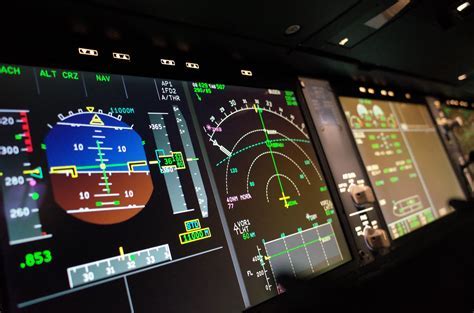
This stage is intensely technical. Engineers identify test objectives and translate them into precise test plans, sometimes involving 10,000+ Test Points for comprehensive certifications. Each flight’s parameters are documented on Test Cards, integrated through Flight Test Management Software.
Instrumentation plays a pivotal role:
- Sensors and transducers monitor pressure, temperature, and structural loads.
- Data acquisition systems (DAS/DAU) collect and sometimes transmit real-time data to ground stations.
- Calibration devices ensure measurement fidelity, especially in high-dynamic test environments.
2. Execution
Initial efforts focus on ground-based testing, validating systems functionality, propulsion performance, and structural resilience. Once cleared for flight, the aircraft undergoes increasingly complex missions, evaluating parameters such as:
- Handling qualities under varied loading and environmental conditions.
- Performance metrics like climb rate, cruise efficiency, and stall behavior.
- Structural testing for aeroelasticity and flutter boundaries.
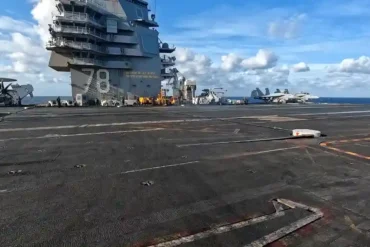
Military-specific trials include live weapons deployment, air-to-air refueling, and shipborne compatibility. Emergency test scenarios—engine flameouts or hydraulic failures—are also practiced under stringent safety protocols.
3. Analysis and Reporting
Post-flight, the data undergoes rigorous validation and reduction. Analysts correct for non-standard variables and translate findings into actionable insights. Performance modeling tools such as the Performance Cycle Deck (PCD) and In-Flight Thrust Deck (IFTD) help compute thrust characteristics, drag coefficients, and fuel flow models under real conditions.

Translating Data Into Performance Manuals
All collected flight test data eventually filters into operational guidance documents. These include Operating Data Manuals (ODMs)—the technical bibles for pilots—which contain performance charts that forecast takeoff roll, climb gradients, cruise efficiency, and landing distances.
To ensure consistency, flight results are normalized to standard atmospheric conditions (ISA), adjusting for variables like ambient temperature, density altitude, and wind effects. Interpolation methods are employed to estimate performance between charted values, always favoring conservative rounding to preserve safety margins.
The Team Behind the Test Campaign
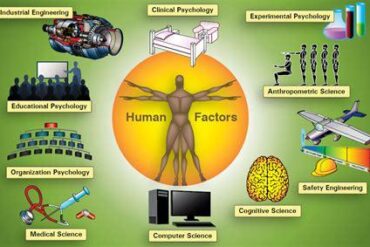
Successful flight test campaigns depend on a multidisciplinary team, coordinated by either a Flight Test Engineer (FTE) or Experimental Test Pilot. Core roles include:
- FTEs who architect test plans and direct data collection.
- Test Pilots trained in complex test procedures and emergency protocols.
- Instrumentation Engineers and Technicians responsible for sensor integration.
- Quality Assurance and Maintenance Teams ensuring airworthiness before and after each sortie.
- Data Analysts, Computing Support, and Government Oversight (especially in military programs).
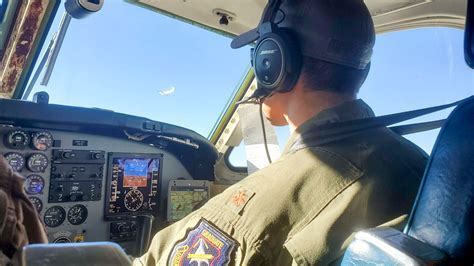
The synergy of these roles enables a seamless flow from test conception to post-flight reporting, ensuring that no detail is missed, and every anomaly is understood.
Conclusion: Where Science Meets Safety and Innovation
In an era where aerospace systems are becoming increasingly autonomous, sustainable, and hybridized, flight testing remains the unshakable anchor of credibility and safety. It is where simulation yields to sensation, and theoretical design must withstand the crucible of real-world dynamics. Without these trials by fire, even the most innovative designs would remain grounded in theory.
Flight test programs are not merely technical exercises—they are strategic endeavors that safeguard human lives, bolster national defense, and expand the frontiers of what is possible in air and space.