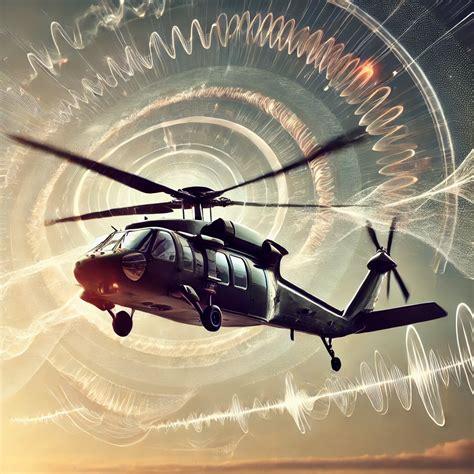
Helicopters possess an unmistakable acoustic signature — a deep, rhythmic thumping that can be heard long before the aircraft comes into view. Often described as a “whop-whop” sound, it has become embedded in popular culture, especially in military-themed films and documentaries. But this auditory phenomenon isn’t just a byproduct of spinning blades — it’s the result of complex aerodynamic forces unique to rotary-wing aircraft.
The distinct sound helicopters emit isn’t merely a mechanical hum or engine drone. Instead, it emerges from how the rotor blades interact with air — especially how they disturb and re-encounter the air around them during flight. The key to understanding this lies in a fascinating aerodynamic event known as blade vortex interaction (BVI).
Blade Vortex Interaction: The Heartbeat of Helicopter Acoustics
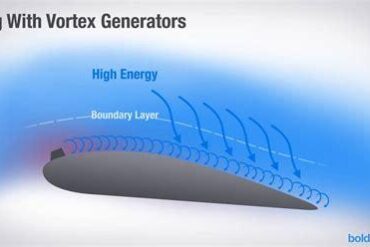
At the core of the iconic helicopter sound is blade vortex interaction, an aerodynamic phenomenon in which a rotor blade passes through the vortex — a swirling air disturbance — generated by the blade that preceded it. As rotor blades slice through the sky, they leave behind rotating pockets of low-pressure air at the tips. These swirling patterns are known as tip vortices.
When the following blade cuts through this disturbed air, it experiences an abrupt shift in aerodynamic forces, resulting in pressure changes that manifest as low-frequency sound waves. These pressure fluctuations radiate through the air, producing the deep, resonant thumping we associate with helicopters.
This interaction becomes especially intense when the helicopter is in forward flight. As the advancing blades — those moving in the direction of flight — intersect with the vortices at higher relative speeds, the aerodynamic stress spikes. Simultaneously, retreating blades may suffer from retreating blade stall, where airflow separation leads to turbulent behavior. Combined, these effects generate a sound that is both powerful and persistent.
Why Some Helicopters Are Louder Than Others
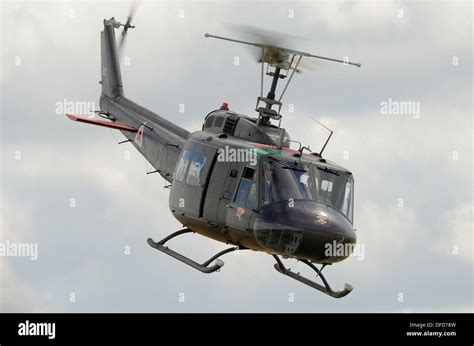
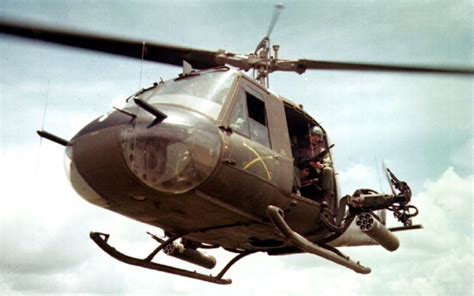
Not all helicopters sound the same, and some are notoriously louder than others. The Bell UH-1 Iroquois, better known as the Huey, offers a perfect case study in acoustic infamy. Developed in the 1950s and used extensively during the Vietnam War, the Huey became known for its distinct rotor slap, often associated with the trauma and urgency of battlefield evacuations.
The Huey’s configuration features a semi-rigid, two-blade rotor system, which contributes to its loud profile. With only two blades sharing the aerodynamic load, each blade must displace more air, generating stronger tip vortices and thus more pronounced BVI. The larger, slower rotor pulses produce a deep, guttural beat — the auditory equivalent of a war drum echoing through the sky.
In contrast, many modern helicopters are quieter due to advancements in rotor technology. By increasing the number of blades to four or more, engineers can distribute the aerodynamic load more evenly. This reduces the strength of each vortex and minimizes the chances of sharp BVI events.
Modern Engineering: The Pursuit of Quieter Skies
While the thumping may be iconic, it’s not ideal for stealth operations or urban environments. For decades, engineers have sought to reduce rotor noise without sacrificing performance. Several innovations have emerged from this pursuit:
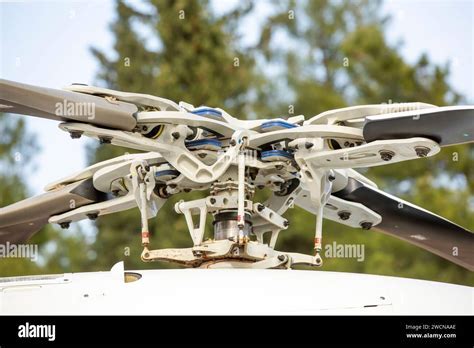
- Multi-blade rotor systems: Increasing the number of blades reduces the individual load on each blade, dispersing vortices and softening BVI events.
- Swept or tapered blade tips: These designs change the geometry at the end of the blade, making it less likely to pass directly through a preceding vortex.
- Composite blade materials: Modern rotor blades are often made from carbon fiber composites that allow flexing, helping to absorb and dampen the acoustic energy created by BVI.
- Active control systems: Some helicopters feature blades that can dynamically adjust pitch and angle multiple times per second. These adjustments help avoid peak aerodynamic stress points, lessening the chance of violent vortex interactions.
How Pilots Minimize Rotor Noise During Flight
Even with technological improvements, pilots also play a vital role in reducing the helicopter’s acoustic footprint. Flight techniques are used to avoid areas of the flight envelope where BVI is most likely:
- Avoidance zones: Pilots study flight profiles where BVI tends to occur — such as specific speeds and descent angles — and steer clear of them when possible.
- Modified descent profiles: Adjusting descent angle and speed reduces abrupt blade-vortex encounters.
- Altitude adjustments: Flying at higher altitudes helps disperse sound waves before they reach the ground, making the aircraft less noticeable.
Together, these strategies help to minimize noise pollution, especially in densely populated or sensitive regions. Helicopters used in search and rescue or urban EMS operations benefit from quieter operations that don’t alarm local populations.
Rotor Blade Geometry: Why Shape Matters
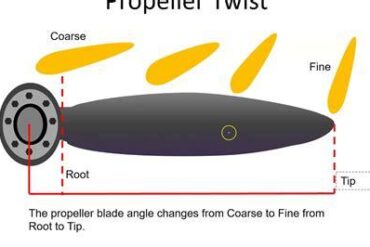
A helicopter’s rotor blade is far from a simple plank of metal or carbon fiber. The aerodynamic shaping, camber, twist, and tip design all affect how it interacts with the air — and how loud it is. Engineers spend thousands of hours refining blade geometry to balance lift efficiency, structural strength, and acoustic performance.
Blade tips are a particularly sensitive area. Traditional straight-edge tips generate more abrupt vortices, but swept or anhedral (downturned) tips can soften and redirect the airflow, reducing vortex strength. In effect, the blade’s shape can “steer” the vortex away from the path of the following blade, making BVI less frequent and intense.
Additionally, blade chord (the width of the blade) plays a role. Wider blades can handle more lift but may interact more strongly with airflow, while narrower blades may create sharper vortices. It’s a balancing act between performance and silence.
Cultural Echoes: The Sound of Helicopter Warfare
In film, the sound of rotor thump often symbolizes tension, urgency, and drama. The Huey’s unmistakable slap was immortalized in scenes from Apocalypse Now, Platoon, and Full Metal Jacket. Sound designers go to great lengths to reproduce that thundering rhythm, even when more modern helicopters are used on screen.
For veterans and civilians alike, the Huey’s sound is instantly recognizable and loaded with meaning. To many, it’s not just a helicopter — it’s the audio emblem of 20th-century warfare.
The Future: Quieter, Smarter, Still Iconic
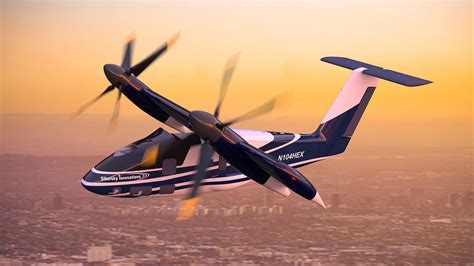
As urban air mobility (UAM) and electric vertical takeoff and landing (eVTOL) vehicles become more common, minimizing acoustic pollution is more important than ever. These next-generation craft will rely on distributed propulsion, meaning multiple small rotors rather than one large main rotor. This design inherently reduces BVI, as the rotors spin at higher speeds and generate smaller, less intense vortices.
Companies like Joby Aviation, Lilium, and Volocopter are already building prototypes with a focus on ultra-quiet operation. The sound of future rotorcraft may resemble a low hum or whisper — a far cry from the Huey’s thunder. Still, for many aviation enthusiasts, nothing quite matches the emotional gravity of that reverberating thump overhead.
While rotorcraft acoustics may be evolving toward silence, the science behind the sound remains a testament to the raw aerodynamic power of helicopters — and the ingenuity of engineers who seek to tame it.