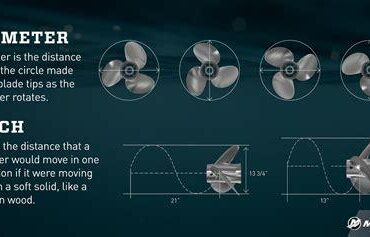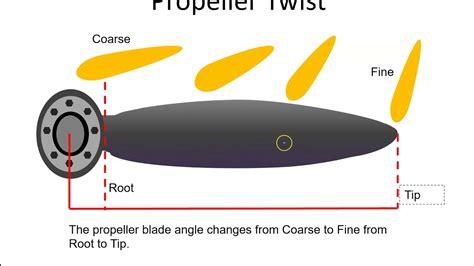
Propeller blade separation happens when one or more blades detach from a propeller attached to a running engine. This event can occur during ground operations or in flight, especially with variable pitch or constant speed propellers.
The causes of propeller blade separation are often linked to high centrifugal forces from rapid rotation, combined with factors like material fatigue, cracks, corrosion, damage, operation beyond design limits, or improper maintenance practices.
The effects of this separation can be severe, putting both the aircraft and its occupants at serious risk. Losing one or more blades creates an imbalance, leading to intense vibrations that may require shutting down the affected engine. This situation can reduce performance, increase drag, and complicate handling. Other potential consequences include loss of control, engine failure or damage—which might even tear the engine from its mounts—fuselage penetration by a detached blade, injury to personnel inside or outside the aircraft, and damage to structures or property.
To prevent blade separation, it is crucial to operate, service, and maintain the propeller within its design specifications. Regular overhauls should follow the manufacturer’s maintenance schedule and include Non-Destructive Testing (NDT) to spot cracks, fatigue, or corrosion. Any damaged propeller must be taken out of service immediately for repair or replacement.