Vortex generators are unsung heroes in aviation and automotive engineering. These tiny aerodynamic devices play a crucial role in managing airflow, enhancing control, and significantly improving operational safety and efficiency. In this extensive guide, we explore the science, applications, installation nuances, and performance impacts of vortex generators.
What Is a Vortex Generator?
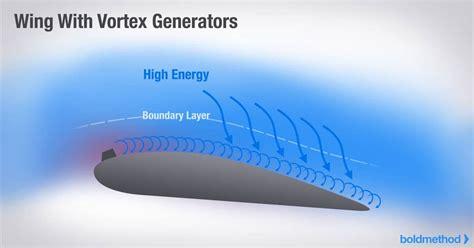
A vortex generator (VG) is a small, fin-like aerodynamic device strategically placed on the surface of an aircraft wing, fuselage, or even the blades of a wind turbine. Designed to manipulate airflow, a vortex generator produces controlled vortices—miniature spirals of air—that energize the slow-moving boundary layer clinging to the surface.
By energizing the boundary layer, vortex generators prevent premature flow separation, thereby delaying aerodynamic stall and maintaining the effectiveness of control surfaces like ailerons, elevators, and rudders. They are vital for maintaining lift and control, especially at lower speeds or higher angles of attack.
How Vortex Generators Work: The Science Behind Stability
The aerodynamic principle behind vortex generators revolves around boundary layer control. As an aircraft moves through the air, a thin layer of slower-moving air—called the boundary layer—forms along its surfaces. When this layer separates from the surface, it can cause a sudden loss of lift, known as stall.
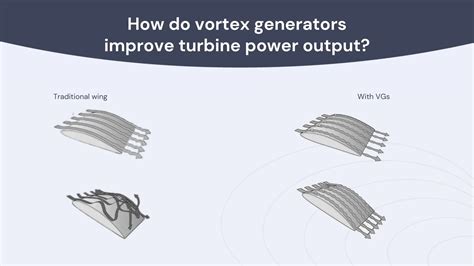
Vortex generators combat this issue by creating small, controlled vortices that mix high-energy free-stream air with the slower boundary layer. This mixing re-energizes the boundary layer, keeping it attached to the surface longer and reducing the risk of separation.
In practice, VGs are typically:
- Rectangular or triangular in shape
- Installed at an angle of attack relative to the local airflow
- Placed near the leading edge of wings or control surfaces
- Sized approximately to match the thickness of the local boundary layer
This careful design ensures maximum effectiveness with minimal drag penalty.
Strategic Placement of Vortex Generators
Placement is critical for the success of a vortex generator system. On aircraft wings and wind turbine blades, VGs are usually mounted close to the leading edge. This location ensures that the airflow remains attached over the trailing edges, where critical control surfaces like flaps and ailerons operate.
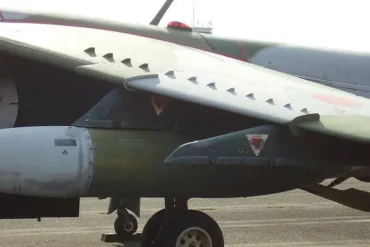
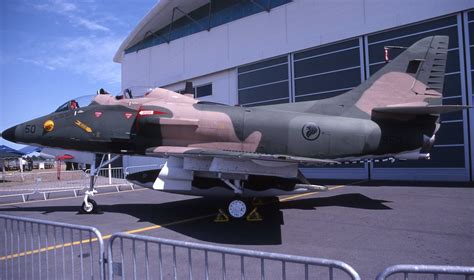
For aircraft fuselages or automotive bodies, VGs are strategically positioned to smooth airflow over surfaces, reducing drag or enhancing downforce. Notably, aircraft like the TA-4SU Super Skyhawk and Symphony SA-160 demonstrate visible rows of VGs to maintain effectiveness through stalls and aggressive maneuvers.
Applications of Vortex Generators in Aviation and Beyond
Although born from the needs of aviation, vortex generators now find diverse applications across industries:
Aircraft
Vortex generators are extensively used in both commercial and military aviation:
- Commercial Airliners: Maintain control surface effectiveness and optimize fuel efficiency.
- Military Jets: Improve high-angle-of-attack maneuverability and control.
- Light Aircraft: Enhance Short Takeoff and Landing (STOL) capabilities, lower stall speeds, and improve overall safety.
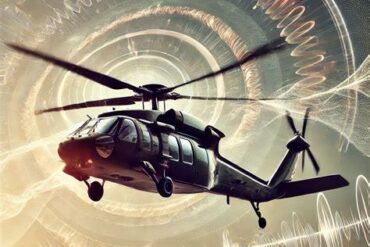
- Helicopters: Stabilize rotor blade airflow to prevent undesirable vibrations and increase lift.
Wind Turbines
Vortex generators improve the efficiency of wind turbines by maintaining attached flow on the blades, thus boosting overall energy output and reducing fatigue loads.
Automobiles
In performance and race cars, VGs are used to:
- Control boundary layer separation on spoilers and diffusers
- Enhance downforce without excessive drag penalties
- Improve vehicle stability at high speeds
Aftermarket Vortex Generators: Enhancing Aircraft Performance
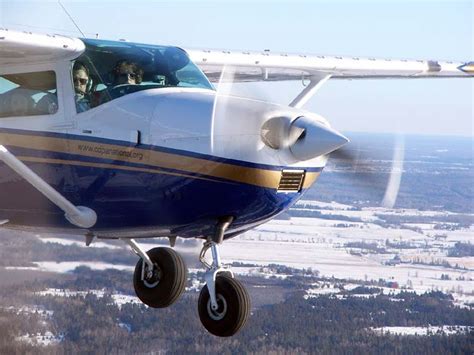
While many modern aircraft integrate vortex generators during manufacturing, a substantial aftermarket exists for retrofitting older models. Companies such as Micro AeroDynamics provide VG kits tailored to popular aircraft like the Cessna 182K and Piper PA-28-235 Cherokee.
Aftermarket VG kits claim significant advantages:
- Reduction in stall speed by several knots
- Enhanced control effectiveness at low speeds
- Shortened takeoff and landing distances
- Improved single-engine climb performance for twin-engine aircraft
Independent testing has verified modest cruise speed reductions—approximately 1.5 to 2.0 knots—in exchange for the low-speed handling benefits. For most pilots, this trade-off is well worth the safety and performance enhancements.
Installation Challenges and Practical Considerations
Installing vortex generators involves careful planning, particularly for certified aircraft. Some challenges include:
- Cost of Certification: Regulatory compliance and testing can make installation costly.
- Surface Maintenance: VGs complicate cleaning and de-icing procedures; snow and ice are harder to remove.
- Cover Fabric Damage: Sharp VG edges can tear conventional airframe covers, necessitating special designs.
Despite these concerns, the operational benefits often outweigh the drawbacks, especially for pilots operating in demanding environments.
Impact of Vortex Generators on Aircraft Weight and Certification
An interesting side benefit of vortex generator installation, particularly on twin-engine light aircraft, is the potential increase in maximum takeoff weight (MTOW). This possibility stems from improved single-engine-inoperative climb performance, which is tied to stall speed reduction.
Under U.S. regulations prior to 1991, improved climb performance could allow a structurally-certified airplane to legally carry more weight. Modern regulations have altered the calculations somewhat, but many VG installations for older twin-engine planes still come with MTOW increases.
However, it’s important to note:
- Landing weight limits are rarely affected by VG installations, since they are structurally determined.
- Fuel burn-off during flight may naturally bring aircraft back within legal landing weight limits if maximum weights are increased.
Noise Reduction: A New Frontier for Vortex Generators
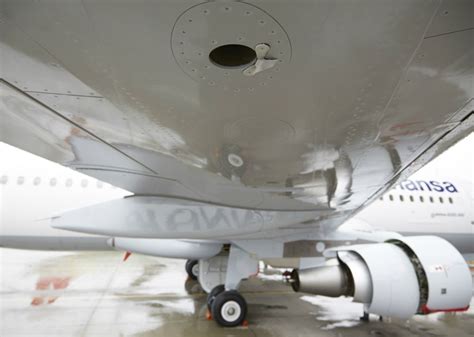
Beyond lift and control, vortex generators have recently been adapted for noise reduction applications. On aircraft like the Airbus A320 family, VGs are installed underneath the wings to smooth airflow over circular pressure equalization vents, leading to a measurable noise reduction of up to 2 dB.
This innovative use illustrates the versatile potential of vortex generator technology in addressing modern aerospace challenges, including environmental concerns.
The Future of Vortex Generators
Emerging aerospace technologies continue to explore more sophisticated versions of vortex generators, including:
- Active VGs: Mechanisms that deploy or retract depending on flight conditions.
- Flexible VGs: Designed to deform under load, optimizing aerodynamic performance across flight envelopes.
- Microfabricated VGs: Tiny, high-density VGs inspired by bioengineering studies, promising even greater efficiency.
As demand grows for energy efficiency, safety, and noise abatement, vortex generators will remain a critical tool in the aerodynamic designer’s arsenal.
Conclusion: Why Vortex Generators Matter
Vortex generators may seem minor in appearance, but their impact on aircraft performance, safety, and efficiency is profound. By energizing the boundary layer, they delay flow separation, improve control surface effectiveness, reduce stall speed, and even enhance noise characteristics.
From aftermarket modifications on aging Cessnas to factory-installed systems on cutting-edge airliners, vortex generators represent a perfect example of how small innovations can yield monumental results. As aerospace technologies evolve, these tiny fins will continue to play an outsized role in ensuring smoother, safer, and more efficient journeys through the skies.