Defining Human Factors Psychology
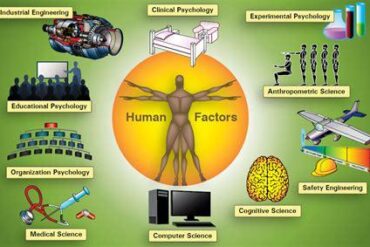
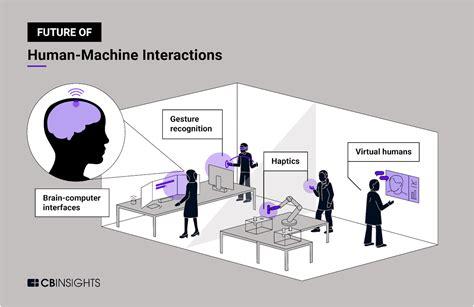
Human factors psychology is a specialized field within psychology that emphasizes the interrelationship between humans and systems, machines, and environments. At its core, this discipline seeks to optimize human well-being and overall system performance by applying principles from cognitive psychology, physiology, engineering, and design. Unlike clinical psychology, which focuses on diagnosing and treating mental disorders, human factors psychology investigates how people interact with tools, technologies, and processes in real-world contexts.
The field hinges on a critical objective: designing systems that accommodate human capabilities and limitations. Whether it’s a cockpit interface, an industrial control panel, or an e-commerce website, the goal is always the same—enhance usability, minimize error, and ensure safety.
Historical Context and Evolution
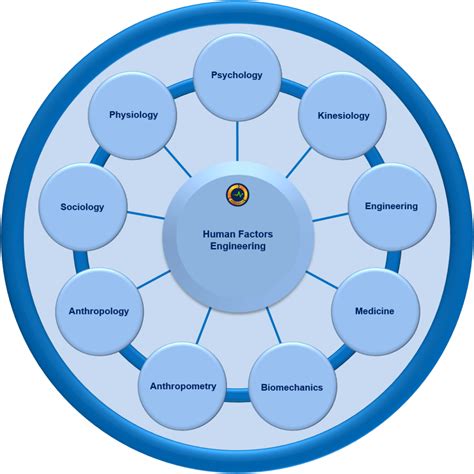
The origins of human factors psychology trace back to World War II, when military operations demanded greater coordination between pilots, weapons systems, and machines. As the complexity of military equipment increased, it became crucial to design tools that aligned with human cognitive and physical limitations. Failures in user interface design led to errors that were not due to incompetence but poor ergonomics and system design.
This wartime necessity gave birth to a collaboration among engineers, psychologists, and designers. Over time, this collaboration matured into a rigorous academic discipline, often referred to interchangeably with ergonomics, especially in European contexts. The Human Factors and Ergonomics Society (HFES) played a pivotal role in formalizing the field in the postwar era.
Core Principles and Theoretical Foundations
Human factors psychology draws from a variety of theoretical frameworks:
-
Cognitive Load Theory: Highlights how excessive mental demand can reduce performance, particularly in high-stress environments like aviation or medicine.
-
Signal Detection Theory: Explains how humans perceive and interpret signals amidst noise, which is crucial in systems that rely on rapid recognition of visual or auditory cues.
-
Information Processing Models: Emphasize how input from the environment is received, stored, and acted upon by the human brain.
By integrating these theories, human factors psychologists strive to design environments that accommodate attention spans, memory capacity, reaction times, and physical abilities.
Applications in Modern Society
The practical applications of human factors psychology are vast and impact numerous industries:
1. Aerospace and Aviation
Human factors psychologists contribute to the design of cockpits, control towers, and navigation systems. Their insights ensure that flight crews are not overwhelmed with data, and emergency procedures are intuitive and efficient.
2. Healthcare
From electronic health record interfaces to operating room ergonomics, patient safety is heavily dependent on human-centered design. Mistakes in drug dosage administration or surgical tools can often be traced to poorly designed systems.
3. Consumer Technology
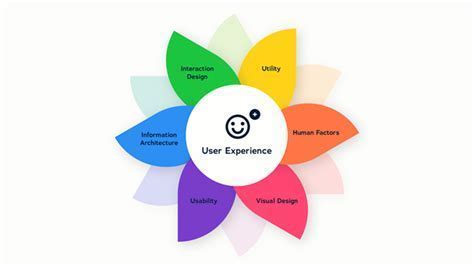
In tech companies, human factors professionals optimize user experiences. Whether it’s the layout of a smartphone app or the responsiveness of a virtual assistant, their work makes technology more intuitive and accessible.
4. Automotive Industry
Modern vehicles are equipped with advanced features like driver-assist systems and infotainment dashboards. Human factors analysis ensures these systems are safe, non-distracting, and user-friendly.
5. Military and Defense
Human factors psychologists play a key role in designing military systems that reduce operator fatigue and improve decision-making under pressure. This includes drones, weapon systems, and battlefield interfaces.
Daily Functions of a Human Factors Psychologist
A human factors psychologist typically engages in several core activities:
-
Conducting observational studies and user research to assess how individuals interact with products or environments.
-
Analyzing data to identify inefficiencies or risks associated with human behavior in specific systems.
-
Designing training programs that align with human learning patterns.
-
Collaborating with engineers and product designers to develop user-centered prototypes.
-
Testing and refining products through usability trials and simulation exercises.
Their contributions ensure that products are not just functional, but intuitively aligned with user needs and behaviors.
Specializations Within Human Factors Psychology
Professionals in this field often branch into specialized domains:
-
Ergonomics: Focused on physical interaction, posture, and movement to prevent fatigue and injury.
-
Cognitive Engineering: Involves systems that require high-level decision-making, like nuclear plant control rooms.
-
Human-Computer Interaction (HCI): Explores how people engage with digital interfaces.
-
Engineering Psychology: Bridges the gap between mechanical systems and human behavior.
-
Industrial-Organizational Psychology: Looks at efficiency and well-being within workplace environments.
Each of these specialties supports the overarching mission: optimize the interaction between people and their tools or environments.
Career Pathways and Education
To enter this discipline, candidates typically require at least a bachelor’s degree in psychology, human factors, or a related field. However, advanced positions and research roles demand a master’s or doctoral degree. The Human Factors and Ergonomics Society (HFES) maintains an up-to-date list of accredited academic programs, which include:
-
Arizona State University
-
Clemson University
-
George Mason University
-
Virginia Tech
The educational path blends courses in psychology, biomechanics, cognitive science, statistics, and design methodologies.
Work Environment and Interdisciplinary Collaboration
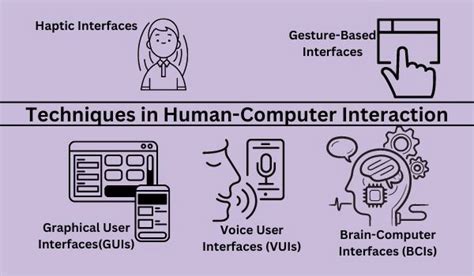
A defining feature of human factors psychology is its multidisciplinary nature. Professionals routinely collaborate with engineers, software developers, medical practitioners, and industrial designers. The work settings are equally diverse:
-
Research labs and academic institutions
-
Government agencies like NASA or the Department of Defense
-
Tech firms designing consumer software and hardware
-
Consulting agencies offering human factors audits and usability testing
-
Healthcare facilities and product safety organizations
The demand for these professionals is particularly high in sectors undergoing rapid technological transformation.
Salary Expectations and Economic Outlook
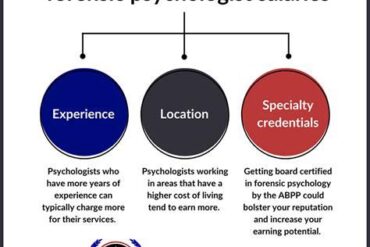
According to recent data, the average annual salary for a human factors psychologist in the U.S. is approximately $154,056, which translates to roughly $74 per hour or nearly $3,000 per week. This figure significantly outpaces the median weekly income for all full-time U.S. workers, which stands at $1,145. The economic outlook for this career is strong, especially as industries continue to recognize the critical role of human-centered design in safety, satisfaction, and profitability.
Why Human Factors Psychology Matters Today
In an era increasingly dominated by artificial intelligence, automation, and digital transformation, human factors psychology acts as a critical safeguard. It ensures that systems do not outpace the ability of humans to safely and effectively interact with them. The discipline protects against the unintended consequences of innovation, where complexity may overwhelm usability.
By embedding human considerations into the heart of design processes, this field promotes not just efficiency, but also dignity, empowerment, and well-being. From the hospital bedside to the battlefield, human factors psychologists champion one enduring principle: technology must always serve humanity, not the other way around.
Frequently Asked Questions (FAQs)
What is the primary focus of human factors psychology?
The main focus of human factors psychology is to optimize the interaction between people and systems, ensuring tools, machines, and environments are designed to match human physical and cognitive abilities. This includes reducing errors, improving safety, and enhancing overall system usability.
How is human factors psychology different from traditional psychology?
Traditional psychology often centers on understanding mental health, emotions, and behavior at an individual level. Human factors psychology, on the other hand, applies psychological principles to practical design and system improvement, focusing on how people interact with their physical and technological environments.
What industries hire human factors psychologists?
Human factors psychologists are employed in aerospace, healthcare, automotive, military, consumer electronics, and industrial design sectors. Any industry that involves human interaction with complex systems or technologies benefits from their expertise.