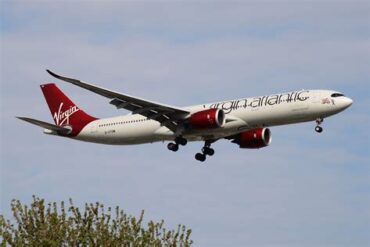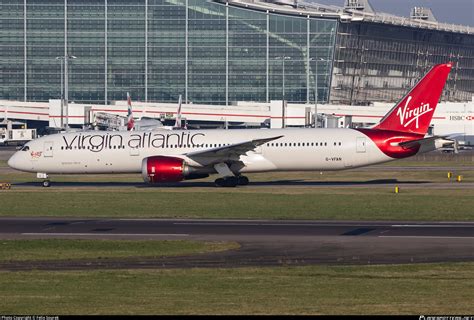
Virgin Atlantic has temporarily removed a Boeing 787-9 Dreamliner from service after a tragic workplace accident at London Heathrow Airport resulted in the death of a 23-year-old aircraft engineer. The airline confirmed that the aircraft involved in the incident remains grounded while authorities and investigators work to establish the circumstances surrounding the accident.
The engineer, identified by reports as Georgie Buxton, was carrying out maintenance testing on the aircraft when machinery reportedly collapsed, causing severe injuries. After being transported to hospital and spending several weeks receiving intensive care, Buxton sadly passed away. Virgin Atlantic described him as a “much-loved member” of its engineering team and has been providing support to his family, friends, and colleagues.
Virgin Atlantic Boeing 787-9 Removed From Service Following Engineer’s Death
The incident occurred during maintenance work at Heathrow, Virgin Atlantic’s largest operational base. The airline confirmed that the aircraft involved was taken out of service immediately following the accident as part of safety procedures while the investigation continues.
Virgin Atlantic stated that the aircraft was not involved in an engine-related incident and that Buxton’s death occurred later in hospital. The carrier is cooperating with relevant authorities, including investigators and aircraft manufacturer Boeing, to understand exactly what happened and determine whether additional safety measures are required for future maintenance operations.
The airline said the safety and wellbeing of its employees remain its highest priority. While the investigation is ongoing, Virgin Atlantic has chosen not to release additional technical details about the aircraft or maintenance equipment involved.
Investigation Underway Into Heathrow Maintenance Accident
The investigation into the engineer’s death remains active, with an inquest opened in London. Authorities are expected to examine multiple aspects of the incident, including the equipment involved, maintenance procedures, workplace conditions, and existing safety controls.
Aircraft maintenance is a highly regulated industry where engineers routinely work around complex systems, heavy components, and specialized equipment. Airlines and aviation authorities rely on strict procedures to minimize risks, particularly during testing and inspection activities.
In this case, investigators will focus on identifying the immediate cause of the machinery failure and whether any procedural changes could prevent similar incidents in the future. Until those findings are available, Virgin Atlantic has kept the aircraft grounded as a precautionary measure.
Virgin Atlantic’s Boeing 787-9 Fleet Operations
Virgin Atlantic operates a fleet made entirely of widebody aircraft, with the Boeing 787-9 representing its largest individual aircraft type. The airline currently operates 17 examples of the Dreamliner variant, making it a key part of the carrier’s long-haul network.
The airline’s fleet also includes Airbus widebody aircraft, including the Airbus A330-300, Airbus A330-900, and Airbus A350-1000. These aircraft support Virgin Atlantic’s international operations from its major bases at Heathrow and Manchester Airport.
The Boeing 787-9 plays an important role in Virgin Atlantic’s global network because of its fuel efficiency, long-range capability, and suitability for transatlantic operations. The aircraft type is frequently deployed on routes connecting the United Kingdom with North America, the Caribbean, and other international destinations.
The specific registration of the aircraft involved in the accident has not been publicly disclosed. Flight tracking information indicates that several Virgin Atlantic Boeing 787-9 aircraft have recently been inactive, although it remains unclear whether the affected aircraft is among them.
Heathrow Airport Offers Support After Tragic Incident
London Heathrow Airport also expressed condolences following the accident, offering support to Buxton’s family, friends, and colleagues across the Virgin Atlantic organization.
As one of the world’s busiest international airports, Heathrow hosts extensive airline engineering and maintenance activities every day. The airport relies on close cooperation between airlines, ground teams, manufacturers, and regulatory organizations to maintain high safety standards.
The incident highlights the critical role played by aviation engineers behind every commercial flight. While passengers often associate aviation safety with pilots and aircraft technology, maintenance professionals are essential in ensuring aircraft remain safe and operational.
Future Status Of The Grounded Boeing 787-9 Remains Unclear
Virgin Atlantic has not announced when the affected Boeing 787-9 will return to service. The aircraft is expected to remain unavailable until the airline and investigators complete their reviews and determine that it can safely resume operations.
The grounding of a single aircraft is unlikely to significantly affect Virgin Atlantic’s overall network because the airline operates a relatively large widebody fleet. However, the decision reflects the seriousness with which aviation organizations treat workplace safety incidents.
Beyond operational considerations, the accident has drawn attention to the risks faced by aircraft engineers who perform essential maintenance work behind the scenes. Their expertise and dedication allow airlines to maintain safe and reliable operations around the world.
Virgin Atlantic continues to support those affected by the tragedy while working alongside authorities to determine the full facts. The aviation community has extended condolences to Buxton’s family, friends, and colleagues during this difficult period.