Understanding Human Factors in Aviation Maintenance
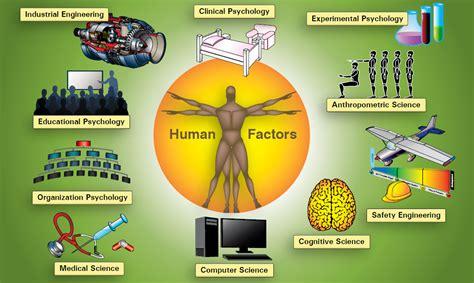
Human factors in aviation maintenance represent the intersection of psychology, engineering, and occupational safety, directly influencing the reliability, precision, and overall integrity of aircraft operations. Unlike flight operations, where pilot error is often cited in accident reports, the maintenance sector has its own complex web of risks and human limitations that can lead to critical failures if not properly addressed.
The Federal Aviation Administration (FAA), in partnership with the Aircraft Maintenance Division (AFS-300) and the Office of Aviation Medicine (AAM-240), has invested decades into identifying these factors. The result is a multidisciplinary approach that fuses scientific insight with applied procedures to foster safety and optimize human performance.
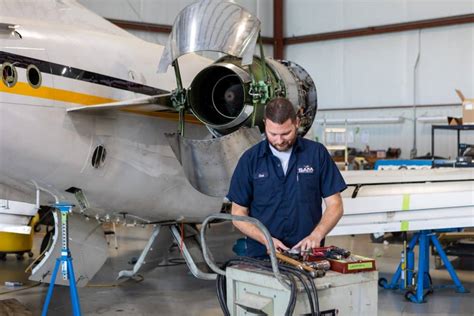
The Scientific Foundation of Maintenance Human Factors
The FAA’s human factors research program is rooted in empirical studies and direct collaboration with industry partners. The focus is not merely theoretical; instead, it is heavily grounded in real-world aviation environments where variables such as time pressure, environmental stressors, and equipment design affect maintenance reliability.
Key areas of this scientific exploration include:
-
Qualification and Training: Ensuring that technicians possess the technical competencies necessary for increasingly complex aircraft systems.
-
Motivation and Professionalism: Understanding the psychological and cultural factors that influence performance, commitment, and accountability.
-
Health and Worker Safety: Investigating how mental and physical well-being correlate with error rates, particularly under high-stress conditions.
-
Human Limitations: Mapping cognitive and physical thresholds to reduce overload and fatigue-induced mishaps.
The cumulative output is a framework of plans, procedures, and decision-support software that can be immediately deployed to mitigate risk.
The Dirty Dozen: Recognizing the Root Causes of Maintenance Errors
Perhaps the most critical advancement in maintenance safety research is the identification of the “Dirty Dozen”—a term used to describe the twelve most frequent human error precursors in aviation maintenance environments. These are not abstract concepts but daily realities that maintenance technicians face:
-
Lack of Communication: Misinterpretations and missed messages often lead to incorrect maintenance actions.
-
Complacency: The assumption that everything is correct without verification is a leading contributor to oversight.
-
Lack of Knowledge: Technicians without updated or sufficient knowledge can unintentionally introduce critical faults.
-
Distraction: Interruptions during maintenance tasks are a high-risk factor that can derail an entire safety protocol.
-
Lack of Teamwork: The absence of coordinated effort often leads to disjointed maintenance procedures.
-
Fatigue: One of the most dangerous yet most normalized contributors to maintenance errors.
-
Lack of Resources: Inadequate tools, parts, or support systems increase the chance of errors.
-
Pressure: Time constraints and operational urgency can lead to unsafe workarounds.
-
Lack of Assertiveness: When technicians fail to speak up, errors remain unaddressed.
-
Stress: Chronic workplace stress erodes decision-making and physical performance.
-
Lack of Awareness: Inattention to surroundings or task consequences can prove fatal.
-
Norms: Informal rules and culture that contradict safety protocols foster risk.
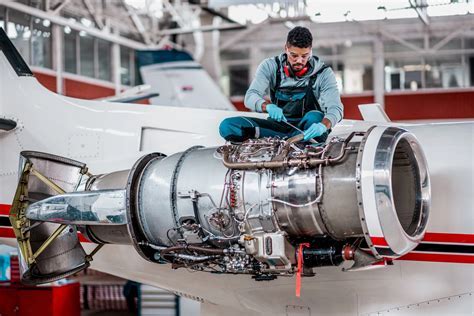
Understanding these elements is essential to mitigating latent system failures that might otherwise manifest in disastrous ways. Addressing them requires systematic interventions at both the organizational and individual levels.
Training and Qualification: Foundations of Competent Maintenance
Training in aviation maintenance is not a static one-time procedure but a dynamic, lifelong process. With technological advancements in avionics and mechanical systems, the learning curve for maintenance personnel continues to steepen. The FAA emphasizes both initial qualification and ongoing training as pillars of safety culture.
Effective training incorporates:
-
Scenario-based learning: Simulating real-world conditions to teach problem-solving and adaptability.
-
Human factor modules: Educating on cognitive biases, stress recognition, and fatigue management.
-
Error management systems: Teaching maintenance crews how to self-diagnose and report potential failures.
Notably, Return on Investment (ROI) studies have shown that integrating human factors training can significantly reduce operational delays and unscheduled maintenance events.
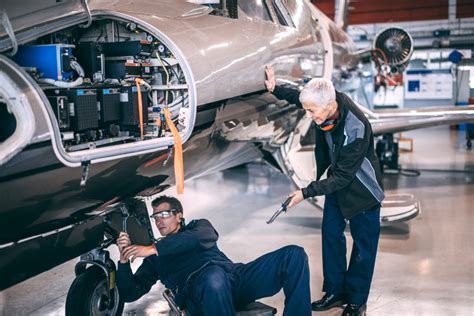
Motivation, Professionalism, and Safety Culture
One of the less tangible but profoundly influential aspects of aviation maintenance is professional ethos. Motivation and professionalism are not simply byproducts of pay scales or policy enforcement. Instead, they are driven by the organization’s safety culture—a pervasive attitude that places safety at the heart of every operational decision.
A robust safety culture exhibits the following traits:
-
Transparent communication: Open reporting channels for errors and near misses.
-
Non-punitive environments: Encouraging self-disclosure without fear of reprisal.
-
Leadership commitment: Visible and proactive support from management.
-
Continuous improvement: Systems that evolve in response to data and feedback.
The presence of these attributes reduces the incidence of high-severity events, making the organization more resilient against both internal errors and external shocks.
Human Capabilities, Health, and Limitations
Aircraft maintenance is physically demanding, mentally taxing, and highly time-sensitive. Technicians often work in confined spaces, extreme temperatures, or under poor lighting. These physical challenges intersect with cognitive demands, such as memory load, judgment under pressure, and multi-tasking.
FAA research has highlighted key limitations:
-
Cognitive fatigue: Diminishes decision-making and attention.
-
Circadian misalignment: Affects night shift workers’ alertness and reaction time.
-
Ergonomic mismatch: Poor tool design or inaccessible components increase injury risk and error probability.
To counteract these factors, engineering solutions such as user-centric interface designs, augmented reality maintenance guidance, and biometric monitoring systems have begun to supplement traditional methods.
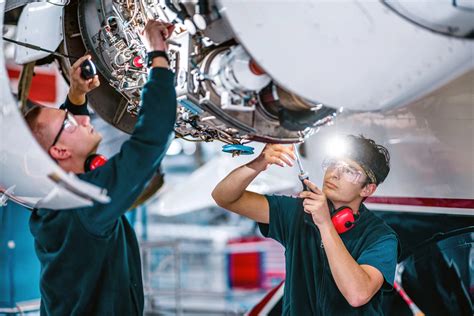
Systemic Integration of Human Factors Research
What sets human factors apart from other safety interventions is its holistic integration into the aviation maintenance ecosystem. The FAA’s strategic program plan, as laid out in its 1998 document, called for an industry-government-labor partnership that continues to shape policies and operational practices today.
This system-wide application includes:
-
Procedural checklists adapted from psychological studies
-
Design feedback loops between engineers and technicians
-
Software tools that flag fatigue or task overload in real-time
These integrations have led to measurable gains in inspection accuracy, turnaround time, and workforce satisfaction.
Future Directions and Technology Synergy
As aircraft become more digital, the role of human factors is shifting from mechanical interaction to cognitive interface management. The future of aviation maintenance will be shaped by:
-
Artificial Intelligence (AI): Predictive diagnostics reduce the need for manual inspections.
-
Virtual Reality (VR): Offers immersive training environments for both new and seasoned technicians.
-
Data Analytics: Tracks human error trends to support continuous process refinement.
Yet, no matter how advanced the technology becomes, the human operator remains central to safety. Systems must be designed to support—not replace—the skilled judgment of certified maintenance personnel.

Conclusion
Human factors in aviation maintenance are not auxiliary concerns—they are foundational elements of aircraft safety and reliability. Through the integration of psychology, engineering, and data science, the aviation sector continues to evolve toward safer, more efficient maintenance practices.
By understanding and proactively managing human limitations, fostering safety culture, and investing in ergonomic and cognitive support technologies, the aviation industry can dramatically reduce maintenance-related incidents. The FAA’s legacy of scientific leadership in this space offers a roadmap not just for compliance, but for operational excellence.
Frequently Asked Questions
What are human factors in aviation maintenance?
Human factors in aviation maintenance refer to the psychological, physical, organizational, and environmental influences that affect how maintenance personnel perform their tasks. These include fatigue, communication issues, stress, and limitations in physical capabilities, among others.
Why is the Dirty Dozen important in aviation maintenance?
The Dirty Dozen identifies the twelve most common human error precursors in aviation maintenance. Recognizing these factors enables organizations to implement targeted interventions, improve training programs, and reduce preventable accidents.
How does the FAA address human factors in aviation maintenance?
The FAA conducts extensive research in collaboration with industry stakeholders to develop practical solutions such as training modules, ergonomic tools, safety software, and procedural guidelines—all aimed at optimizing human performance and minimizing errors in maintenance environments.