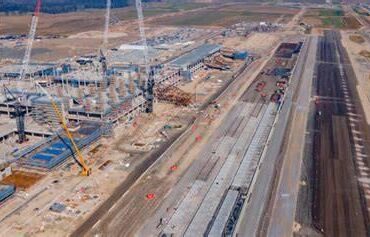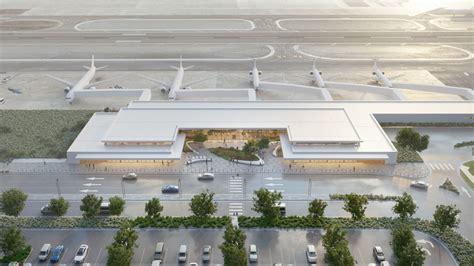
For decades, the biggest stories in US airport development have centered on famous international gateways such as John F. Kennedy International Airport, Los Angeles International Airport, and Chicago O’Hare International Airport. These aviation giants have dominated headlines with multi-billion-dollar terminal renovations, runway improvements, and massive passenger infrastructure projects.
Yet a quieter transformation is taking place across the country. A new generation of regional airports is investing at a scale once reserved for the nation’s largest hubs. These airports are not simply repairing aging terminals or adding a few extra gates. They are redesigning their future, positioning themselves as critical transportation centers that can support population growth, attract businesses, and compete for new airline services.

The shift represents a major change in how airport leaders view their role. Smaller airports were historically designed around serving local travelers who preferred convenience over large network connectivity. Today, many are becoming economic engines for entire regions, helping cities compete for corporate investment, tourism, and workforce growth.
A significant reason behind this transformation has been unprecedented federal investment. The Bipartisan Infrastructure Law created a historic funding opportunity for airports across the United States, providing billions of dollars through programs designed to modernize terminals, improve safety, increase capacity, and replace outdated facilities.
Between fiscal years 2022 and 2026, airport infrastructure programs directed approximately $25 billion toward aviation improvements. While major hubs received attention, smaller airports also secured funding that allowed them to pursue ambitious projects that had previously remained unrealistic.
The result is a wave of regional airport expansion projects that could reshape the US aviation landscape. Facilities in cities such as Wilmington, Northwest Arkansas, Lexington, Columbus, and San Antonio are investing hundreds of millions or even billions of dollars to prepare for a future where regional connectivity matters more than ever.
Why Smaller US Airports Are Spending Like Major Hubs
The traditional airport hierarchy is changing. For much of modern aviation history, airlines concentrated operations around large connecting hubs. Travelers from smaller cities often depended on connecting through major airports before reaching domestic or international destinations.
However, passenger behavior and airline strategies have evolved. Many travelers increasingly prefer direct flights from regional airports because they offer shorter security lines, easier parking, faster terminal access, and less complicated travel experiences.
Airlines have also recognized the opportunity. Instead of forcing every passenger through a handful of massive hubs, carriers are increasingly adding point-to-point routes between growing metropolitan areas. This strategy allows airlines to capture demand from regions experiencing economic expansion.
Regional airports are responding by creating facilities capable of supporting future growth. Modern terminals are no longer viewed as simple buildings where passengers wait for aircraft. They are becoming sophisticated transportation platforms designed around efficiency, flexibility, and passenger experience.
The airports receiving major investment share several characteristics. Many serve rapidly growing populations, support expanding business communities, or provide access to regions where economic activity is accelerating.
These conditions have encouraged airport leaders to think beyond current passenger numbers. Their goal is not only to solve today’s capacity challenges but also to build infrastructure that can support decades of growth.
Wilmington Airport (ILG): A Smaller Gateway Seeking Greater Regional Importance
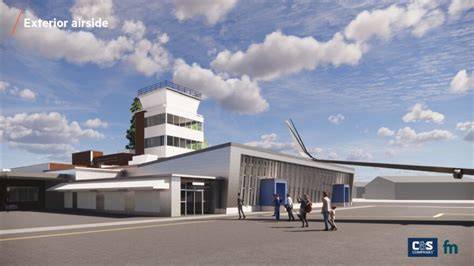
Wilmington Airport (ILG) represents a smaller-scale example of this broader airport modernization movement. The Delaware airport is investing approximately $12 million into terminal improvements designed to create a more efficient and comfortable passenger experience.
The project focuses on upgrading several key areas, including expanded waiting spaces, additional seating capacity, improved security screening facilities, and enhanced baggage handling systems.
While the investment may appear modest compared with billion-dollar airport projects, its importance reflects a larger trend. Smaller airports do not always need enormous construction programs to significantly improve their competitiveness. Strategic upgrades can help them attract travelers who want alternatives to larger and more crowded airports.
For many passengers, convenience has become a major factor in choosing an airport. A traveler may accept a slightly longer drive if the airport offers shorter lines, easier parking, and a smoother experience from arrival to boarding.
Wilmington Airport has benefited from this preference shift. Travelers who once automatically selected major airports are increasingly exploring regional alternatives, especially when those airports provide competitive flight options and a less stressful journey.
The airport’s busiest routes demonstrate its role as part of a broader regional network. Connections to destinations such as Orlando International Airport (MCO) highlight how smaller airports can serve both leisure travelers and business passengers.
Beyond passenger benefits, the terminal expansion is expected to support local economic development. Construction creates employment opportunities, while improved airport infrastructure can encourage tourism growth and business investment.
A modern airport often acts as a signal to companies considering relocation or expansion. Reliable air connectivity can influence decisions involving corporate offices, manufacturing facilities, and regional development projects.
Northwest Arkansas National Airport (XNA): Supporting One of America’s Fastest-Growing Regions
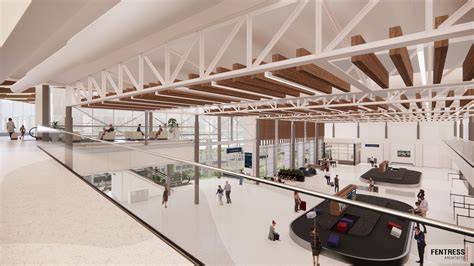
Few regions have experienced the economic growth seen in Northwest Arkansas over recent decades. The area has transformed into a major business center, supported by corporate headquarters, manufacturing operations, healthcare services, and tourism.
At the center of this growth is Northwest Arkansas National Airport (XNA), which has evolved from a regional facility into a vital transportation asset.
The airport is investing approximately $173 million in improvements designed to expand capacity and improve operational flexibility. Planned developments include additional passenger facilities, expanded gate capacity, improved aircraft parking areas, and upgraded airport infrastructure.
The investment reflects the airport’s changing role. XNA is no longer simply serving local residents who need access to larger cities. It is supporting a region with increasing demand for direct air service.
Major companies require efficient transportation networks for employees, executives, suppliers, and customers. As Northwest Arkansas continues attracting business activity, airport capacity becomes increasingly important.
The airport’s airline mix also demonstrates its growing significance. Regional carriers and major airline partners provide connections throughout the United States, helping link the region with larger commercial centers.
Federal infrastructure funding has played a major role in making projects like this possible. Airport leaders across the country have used federal grants to accelerate improvements that might otherwise have taken many years to complete.
The long-term strategy is clear: build today’s airport for tomorrow’s economy.
Lexington Blue Grass Airport (LEX): A Decades-Long Vision For Regional Growth
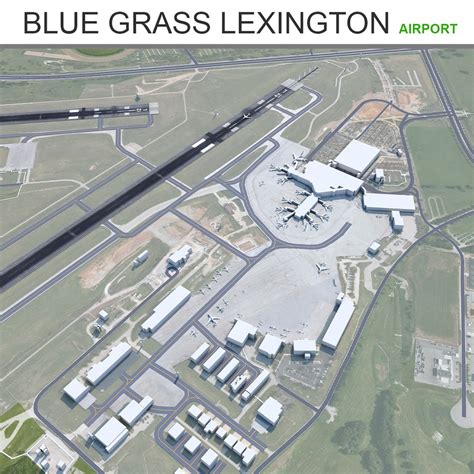
Lexington Blue Grass Airport (LEX) offers another example of how regional airports are pursuing ambitious growth through carefully planned investments.
Rather than relying on a single massive redevelopment project, Lexington has created a long-term modernization strategy valued at approximately $776.5 million.
The airport’s phased approach allows improvements to happen gradually while maintaining normal operations. This strategy provides flexibility, allowing airport officials to adjust construction schedules and priorities as passenger demand changes.
A major component of the plan involves expanding toward a 15-gate configuration, significantly increasing the airport’s ability to handle future airline operations.
This type of development highlights an important difference between regional airports and traditional mega-hubs. Smaller airports often need to balance limited current demand with ambitious future goals. Building too aggressively can create unnecessary costs, while investing too little can restrict economic opportunities.
Lexington’s approach focuses on sustainable growth. Each improvement is designed to strengthen the airport’s ability to support additional routes, improve passenger flow, and provide airlines with more efficient facilities.
The airport’s strong connection to major hubs, including Hartsfield-Jackson Atlanta International Airport (ATL), demonstrates how regional airports remain connected to the wider national aviation system.
Rather than replacing major hubs, these airports are becoming stronger partners within the network.
John Glenn Columbus International Airport (CMH): Replacing The Past With A New Aviation Gateway
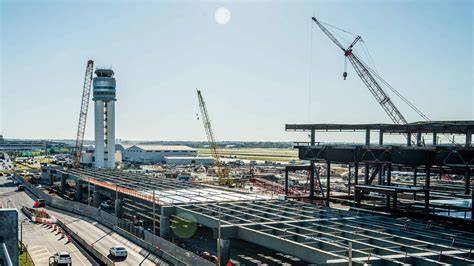
Among the most dramatic examples of regional airport investment is John Glenn Columbus International Airport (CMH) in Ohio.
The airport is planning an approximately $2 billion replacement terminal project that represents a complete transformation rather than a simple renovation.
The existing terminal opened in 1958, and while modifications have kept it operational, airport officials determined that a new facility would better serve modern aviation requirements.
The planned terminal will feature 36 gates, improved passenger circulation, upgraded security areas, expanded retail and dining spaces, and infrastructure designed for future airline operations.
This approach reflects a broader philosophy in airport development. Many older terminals were built for a different era of aviation, when passenger volumes, security requirements, and airline operations were significantly different.
Modern airports must handle more complex demands. They need efficient passenger movement, advanced technology systems, improved accessibility, and flexible layouts that allow airlines to adapt.
Columbus has also become an increasingly important economic center, with growing technology, healthcare, manufacturing, and logistics industries. A modern airport supports these sectors by improving regional connectivity.
The project demonstrates how airports are becoming more than transportation facilities. They are strategic assets that influence regional competitiveness.
San Antonio International Airport (SAT): A Billion-Dollar Expansion Beyond The Traditional Hub Model

The largest project among these regional airport transformations belongs to San Antonio International Airport (SAT), which is pursuing a capital program valued at approximately $2.5 billion.
San Antonio’s growth has accelerated significantly, driven by population increases, tourism, military activity, healthcare, and business development.
The airport’s expansion strategy reflects confidence that demand will continue rising. The centerpiece of the project is a new terminal complex expected to add 17 high-capacity gates while dramatically improving passenger facilities.
Rather than repeatedly upgrading aging infrastructure, airport planners are creating a system designed for long-term expansion.
This represents a major shift in airport planning. Facilities are no longer being built only around existing traffic levels. Instead, planners are considering future population growth, airline network changes, and regional economic trends.
San Antonio’s connectivity to major destinations such as Dallas/Fort Worth International Airport, Denver International Airport, and Atlanta International Airport demonstrates its importance within the national aviation network.
The airport’s development also reflects changing airline strategies. As more cities grow into major economic centers, airlines increasingly see value in offering direct connections rather than relying exclusively on traditional mega-hubs.
The New Era Of Regional Airport Development
The rise of these smaller airports reveals a fundamental transformation in American aviation.
For years, airport investment was closely associated with the largest metropolitan areas. Today, regional airports are proving that ambitious infrastructure development is not limited to traditional aviation giants.
Facilities such as Wilmington Airport, Northwest Arkansas National Airport, Lexington Blue Grass Airport, John Glenn Columbus International Airport, and San Antonio International Airport are investing heavily because their communities are changing.
They are preparing for more passengers, more businesses, and a more distributed aviation network.
The combination of federal funding, regional economic growth, and changing airline strategies has created a rare opportunity. Airports that once focused mainly on maintaining existing operations are now planning for expansion and long-term competitiveness.
The next generation of American aviation may not be defined only by the largest hubs. Increasingly, it will also be shaped by smaller airports quietly building the infrastructure needed to become powerful regional gateways.