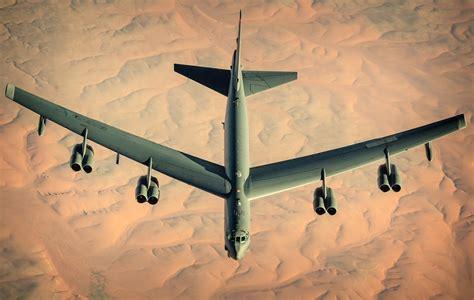
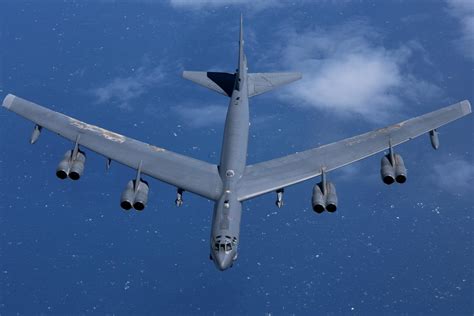
The B-52 Stratofortress, affectionately dubbed the “Big Buff”, has a storied and tragic past as the most “shot down” bomber in modern U.S. Air Force history. On July 18, 2025, the legacy aircraft narrowly avoided adding yet another incident to its long record when a Delta Connection Embraer E175, operating as SkyWest flight 3788, was forced to execute an emergency go-around maneuver while approaching Minot Airport in North Dakota. The event, though devoid of casualties, has reopened scrutiny over civil-military airspace coordination and the ongoing relevance of aging strategic bombers in crowded skies.
A Close Call Over North Dakota
According to passenger reports and ATC audio recordings, the Delta pilot apologized to passengers following a sharp evasive maneuver that disrupted what should have been a routine descent. The jet had been cleared for final approach when the pilot suddenly spotted a B-52 bomber in its flight path, necessitating an abrupt climb and U-turn.
“Given his speed … I felt it was the safest thing to do to turn behind it,” the pilot was heard saying in a recording published by ABC News. He added that no warning had been given about the military aircraft’s proximity, despite Minot being just 18 kilometers south of Minot Air Force Base, home to approximately 26 B-52s.
SkyWest Airlines confirmed the event and launched an internal investigation, echoing public concerns about coordination between civilian ATC and military operations. The USAF, while acknowledging the flyover, declined to offer further details, choosing to stay silent as investigative authorities dig into the timeline of the near-miss.
The Big Buff’s Combat-Cursed Past
The B-52 Stratofortress was inducted into the USAF in 1955, and since then, it has been a mainstay of American air power, executing missions in every major U.S. conflict post-World War II — from Vietnam to Afghanistan. With over 70 years of operational history, it is a paradox of endurance and vulnerability.
It gained its notorious distinction during the Vietnam War, where its large radar cross-section, predictable flight paths, and relatively slow speed made it an ideal target for North Vietnamese surface-to-air missiles (SAMs).

In November 1972, a B-52D was downed by an SA-2 SAM over North Vietnam, the first B-52 ever shot down in active combat. It was just the beginning. During Operation Linebacker II—the infamous Christmas Bombings of December 1972—15 B-52s were lost, including six in one day. The sky over Hanoi became a shooting gallery where Soviet-made S-75 missiles hunted America’s strategic pride.
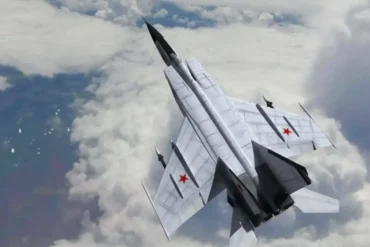
Some U.S. aircraft suffered heavy damage but made it back to bases in Thailand, only to be deemed beyond repair. In many other instances, MiG-21 intercepts were blamed for B-52 losses, though Washington often denied these claims.
Post-Vietnam: Accidents, Errors, and Continued Risks
The B-52’s danger record isn’t limited to warfare. The aircraft has been involved in a litany of accidents and training mishaps over the decades. These incidents often stemmed from mechanical failure, poor weather, or pilot misjudgments.
In April 1961, during a mock interception over New Mexico, a F-100A Super Sabre mistakenly fired on a B-52B, destroying the aircraft. That same year, a B-52 vanished over the Atlantic during an exercise. In 1980, a ramp fire at Robins AFB destroyed another B-52G on the ground.
One of the worst training disasters came in 1994, when a B-52H crashed during an air show practice at Fairchild AFB. Lt. Col. Arthur “Bud” Holland, the pilot, was infamous for reckless flying and lost control during a dangerously low turn. The resulting stall killed all aboard.
In 2008, tragedy struck again when a B-52H deployed to Guam crashed just off Apra Harbor while performing a ceremonial flyby. Investigators later determined that incorrect stabilizer trim settings were to blame.
The most recent crash before 2025 occurred in 2016, when a B-52H from the 69th Expeditionary Bomb Squadron suffered a bird strike on takeoff at Andersen AFB, resulting in an aborted liftoff and irreparable damage.
The Strategic Stalwart: Still in Service
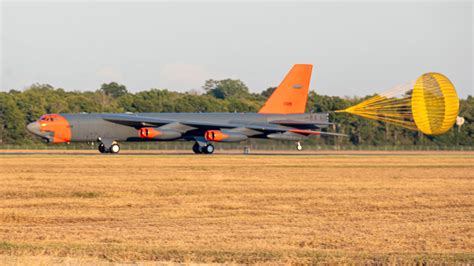
Despite its troubled history, the B-52 remains indispensable to the U.S. nuclear and conventional deterrent. The Stratofortress is the only bomber in the American arsenal that can carry both nuclear cruise missiles and conventional JDAMs, giving it unmatched mission flexibility.
As of 2025, fewer than 80 B-52s remain operational, and each one is slated for a massive engine and avionics upgrade under the B-52J modernization program. These upgrades are expected to keep the bomber flying into the 2050s, a testament to its unique combination of range, payload, and deterrent value.
Yet, its ongoing service raises concerns. The airframe was designed in the 1950s, long before modern air traffic systems, civilian congestion, and the complexities of today’s layered airspace. Unlike stealthier B-2s or newer B-21s, the B-52 is visibly and electronically prominent, a trait that once made it an aerial titan but now introduces risk in shared airspace.
Not Just History — A Pattern of Danger
The recent Delta incident is a chilling echo of January 2025, when a Black Hawk helicopter and an American Eagle regional jet collided over the Potomac River, killing 67. That catastrophe resulted in sweeping policy changes, yet gaps clearly remain. The USAF and FAA face renewed pressure to implement more rigorous separation protocols, especially near joint-use airfields like Minot.
Though no lives were lost on July 18, the pilot’s strained apology and passengers’ visible distress underscore a fragile safety net. That a nearly 70-year-old military aircraft flying on a peacetime training route can bring a civilian jet to a near-disaster is not just unsettling — it’s unsustainable.
International Incidents and Geopolitical Tensions
The B-52’s role isn’t confined to U.S. territory. It remains a central figure in power projection missions, particularly in the South China Sea, where it has routinely flown freedom of navigation patrols.
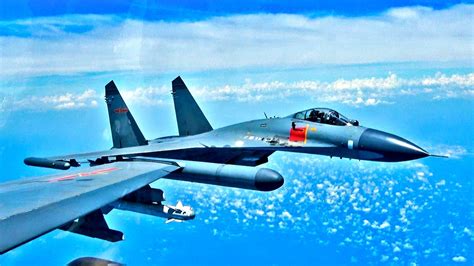
In October 2023, a Chinese J-11 fighter jet closed within 10 feet of a B-52 during a nighttime intercept, a dangerously close encounter that drew diplomatic condemnation. The aircraft’s lack of stealth makes it highly visible to hostile radar, amplifying the risk of escalation in contested zones.
Looking Ahead: Can the Big Buff Still Fly Safe?
As investigations unfold, aviation experts and lawmakers are calling for mandatory pre-approach briefings for civilian flights operating near strategic bases. Questions also abound about real-time radar sharing between military and civilian controllers.
The B-52, while irreplaceable in its current strategic role, cannot be allowed to become a liability in U.S. domestic airspace. The aging bomber’s impressive survivability in combat — despite its history of being “shot down” more than any other USAF bomber — does not guarantee safety during routine training flights. In fact, its vulnerability to proximity threats, unpredictable maneuvers, and radar blind spots could spell disaster in peacetime if not aggressively managed.
The Minot near-miss is a moment of warning. One that demands renewed attention to coordination, modernization, and perhaps a hard look at how long the Big Buff can continue flying without putting others in its long, heavy shadow.