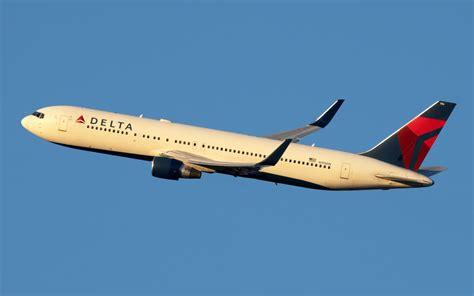
Once again, a transcontinental traveler found themselves staring into a dim cabin, the whirring of aging air conditioning units drowning out the pre-flight announcements. The culprit? Delta Air Lines’ Boeing 767-300, an aircraft that continues to shoulder critical long-haul duties well into its third decade of service. The experience felt less like premium travel and more like a reluctant return to 2005—a time capsule in the sky.
There’s no doubt that the 767-300 was once a cornerstone of global aviation. But in 2025, Delta’s decision to continue flying these aging jets on major business routes raises pointed questions about commitment to passenger experience, technological parity, and long-term strategic investment.
The Cabin Experience: Time Travel with Turbulence
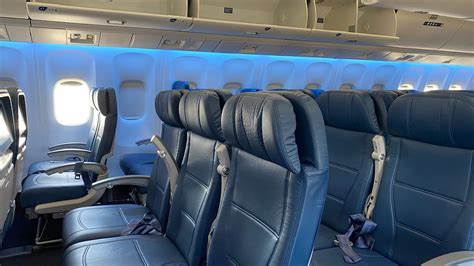
Flying aboard Delta’s N179DN—a 767-300 delivered in 1991—is akin to stepping into a forgotten terminal in aviation’s evolution. Passengers expecting modern comforts find themselves grappling with flickering in-flight entertainment, intermittent Wi-Fi, and missing power outlets in the main cabin. For an airline that promotes itself as a premium carrier on domestic transcontinental routes, these flaws undermine credibility.
In multiple passenger reports, in-flight entertainment (IFE) systems failed outright or required repeated manual resets. Films paused, froze, or simply refused to load. Cabin crews, though sympathetic, could do little more than attempt another reset or offer apologies. In some cases, even the flight map became a stubborn relic.
Compounding the frustration, Wi-Fi connectivity remains fragile at best. T-Mobile subscribers—theoretically entitled to complimentary access—frequently fail to establish a connection. VPNs must be disabled. Browsers must manually navigate to deltaWiFi.com. The process feels like digital archaeology rather than seamless travel tech.
Fleet Strategy: A Commitment Deferred
Delta has vacillated on its plans to retire the 767-300 series. While the latest target pegs the fleet’s phase-out between 2028 and 2030, that timeline offers little comfort for current travelers. More critically, the airline has no plans to refurbish cabins ahead of retirement. The message is clear: passengers must endure deteriorating conditions for another half-decade.
Compounding the problem is Delta’s muddled widebody acquisition history. The airline canceled its inherited Boeing 787 options from its merger with Northwest, instead placing orders for the Airbus A330neo family. Although the A330-800neo offered similar capacity to the 767-300, it was passed over entirely. Today, Delta’s future widebody inventory stands at a mere 32 aircraft—a stark contrast to United’s 189 pending widebody deliveries.
Seat Comfort: Nostalgia with Nuance
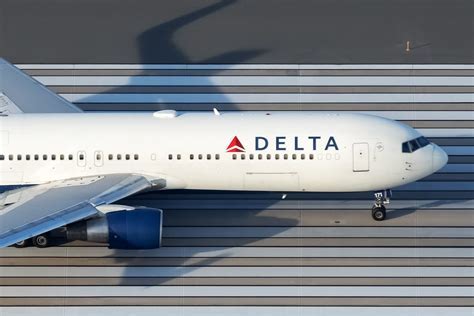
Despite technical failings, some passengers remain partial to the 2-3-2 economy layout—a holdover from an earlier design era. For solo travelers and pairs, it offers both window and aisle access without the middle-seat lottery typical of modern 3-3-3 configurations.
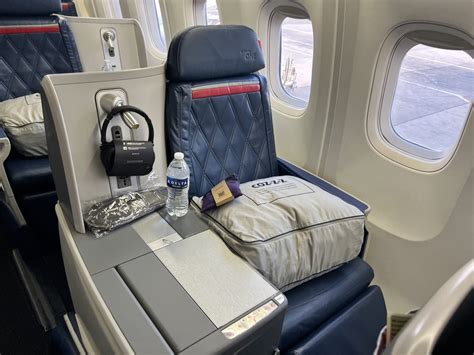
In Delta One, passengers are met with an intriguing mix: legacy pod seating and antiquated electronics juxtaposed against upgraded soft goods. Lavatories in this cabin class remain notably spacious, and service levels—while inconsistent—often rise above expectations.
There’s a paradox at play: while the hard product is visibly aged, the soft experience—crew demeanor, meal service, cabin layout—retains a semblance of premium identity. For seasoned flyers chasing SkyMiles Medallion status or simply seeking a direct red-eye flight, the 767-300 remains oddly acceptable.
Digital Disparities: A Tale of Three Networks
Delta’s failure to offer reliable connectivity on the 767-300 stands in sharp relief against its competitors. United Airlines, for instance, deploys a fleet of 777s, 787s, and A350s—each equipped with fast, consistent internet and newer entertainment systems. Similarly, American Airlines has leaned into digital innovation with retrofitted cabins and live TV streaming.
Even budget carriers like Southwest and Avianca outperform Delta’s 767-300 in digital access. In contrast, Delta’s short-haul fleet—especially the 717s and older 737-900s—lacks screens entirely. For a brand striving to be both high-end and tech-forward, these inconsistencies cut deeply into customer trust.
Operational Constraints: Grounded by Logistics
To be fair, Delta’s slow pace in retiring its 767s isn’t entirely by choice. The used-aircraft market is constrained, and tariff issues with new aircraft imports further complicate matters. Major airports like Newark exacerbate the problem: logistical chaos and gate constraints hinder swift fleet substitution.
Moreover, crew scheduling limitations make the 767-300 a necessary evil. These aircraft fit neatly into operational gaps, offering red-eye services and unique rotation advantages. Replacing them requires a complex overhaul of routes, pilot training, maintenance patterns, and gate availability.
Passenger Workarounds: Dodging the Dinosaur
Savvy travelers have options. By scrutinizing route numbers and equipment types during booking, passengers can often sidestep the 767-300 altogether. Opting for alternate departure times, selecting newer A330neo or A350 flights, or rerouting through hubs like Atlanta or Salt Lake City can shift the odds.
That said, even informed passengers occasionally accept the trade-offs. Some prioritize elite status mileage accrual, others appreciate the older cabin’s comfort configuration, or value Delta Sky Club access before red-eyes. For these flyers, the 767-300 remains a tolerable compromise.
Still, that tolerance erodes with each glitchy screen, each failed Wi-Fi login, each reminder that the jet is older than many of the passengers onboard. At a time when aviation technology advances at breakneck speed, relying on 1991-era hardware feels less like legacy pride and more like strategic drift.
The Broader Implication: Brand Fatigue on Premium Routes
Delta continues to position itself as a premium alternative among U.S. legacy carriers, yet its persistence in flying outdated widebodies suggests a growing gap between brand narrative and onboard reality. While the airline excels in on-time performance, loyalty programs, and customer service in many respects, the 767-300 remains a conspicuous weak spot.
This is especially evident on transcontinental routes like JFK–SFO or LAX–ATL, where business travelers expect modern amenities. The contrast is jarring: a premium fare buys a business-class seat with a 15-year-old screen and unreliable Wi-Fi.
Conclusion: A Legacy Worth Retiring
The Boeing 767-300 earned its place in aviation history, but history is precisely where it now belongs. While we recognize the logistical complexities involved in rapid fleet transition, Delta’s refusal to refurbish cabins or accelerate replacement reveals a misalignment with passenger expectations and competitive benchmarks.
As travelers, we understand that every aircraft tells a story. But not every story should still be flying in 2025.
Until Delta grounds these jets for good, passengers will continue to experience moments like this—another night, another ancient 767-300, reminding us that in modern aviation, even legacy has an expiration date.