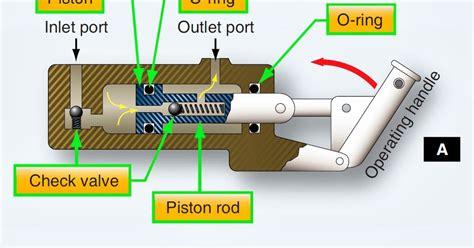
In the realm of modern aviation, the aircraft hydraulic pump stands as a critical component, enabling the functionality of high-force systems without compromising weight or complexity. Hydraulic systems in aircraft are indispensable for actuating mechanical components that demand significant force and precision. From nose wheel steering to flight control surfaces, the hydraulic network functions as the lifeblood of an aircraft, channeling energy through pressurized fluid with remarkable efficiency.
The fundamental concept behind these systems is simple yet powerful: incompressible fluid transfers force with minimal loss, allowing energy to be directed wherever it is needed with pinpoint accuracy. But it is the hydraulic pump—the heart of this operation—that pressurizes the system and ensures consistent delivery across all subsystems, regardless of aircraft size or mission profile.
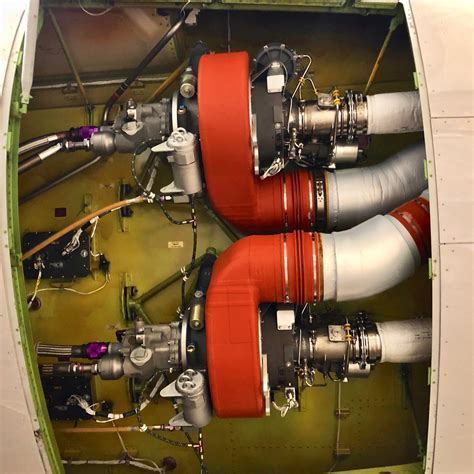
Anatomy of an Aircraft Hydraulic System
An aircraft’s hydraulic system comprises three main elements: the hydraulic fluid, the hydraulic pump, and the distribution network of valves, motors, actuators, and plumbing. Each of these subsystems plays a specialized role in ensuring uninterrupted function under high pressure, high heat, and intense operational demand.
Hydraulic Fluid: At the center of the system lies the hydraulic fluid, engineered for high thermal stability, excellent lubrication, and resistance to combustion. Military and commercial aircraft often employ phosphate ester-based fluids for their fire-resistant properties, while also demanding high viscosity stability across extreme temperature ranges. Proper fluid selection is essential not just for performance but also for system longevity.
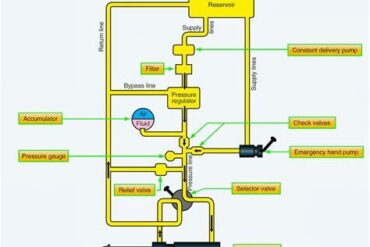
Distribution Components: Fluid is routed through a complex plumbing system that includes control valves, pressure relief valves, hydraulic fuses, accumulators, and shutoff valves. These components regulate, store, or isolate pressurized fluid in response to operational requirements or emergency procedures.
The Central Role of the Aircraft Hydraulic Pump
At the heart of this system is the hydraulic pump, responsible for converting mechanical energy into hydraulic pressure. The pump’s role is to create a constant flow of fluid, maintaining the desired system pressure while supplying all actuated components such as:
-
Landing gear mechanisms
-
Cargo door lifts
-
Spoilers and thrust reversers
-
Primary and secondary flight controls
-
Brake and steering systems
Depending on the aircraft’s configuration and mission needs, the hydraulic pump can be driven by various sources:
-
Engine-driven pumps (EDP)
-
Electric motor-driven pumps (EMDP)
-
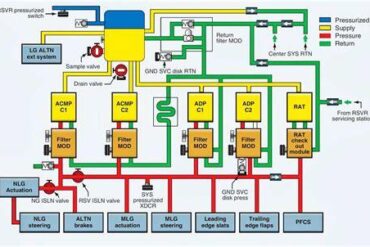
Power Transfer Units (PTU)
-
Ram Air Turbines (RAT)
-
Manual hand pumps (in light aircraft or emergency backups)
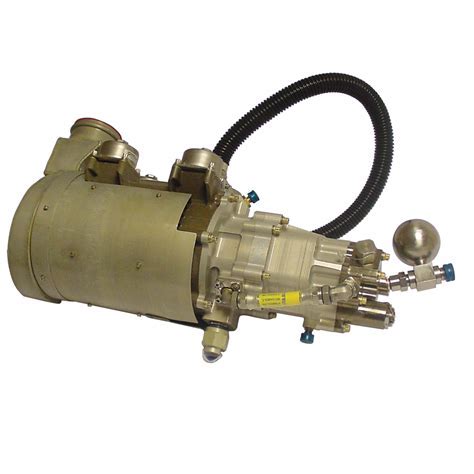
Types of Aircraft Hydraulic Pumps
The efficiency and application of a hydraulic pump depend heavily on its type. In aviation, we primarily distinguish among three pump architectures:
1. Gear Pumps:
These are the simplest form, typically found in low-pressure applications or legacy light aircraft. Gear pumps rely on two intermeshing gears that trap and move fluid around the casing. Their constant displacement makes them predictable but less efficient under varying loads.
2. Fixed Displacement Piston Pumps:
These pumps deliver a constant volume of fluid per rotation, making them suitable for systems with stable pressure demands. Though reliable, they may waste energy when full output is not needed.
3. Variable Displacement Piston Pumps:
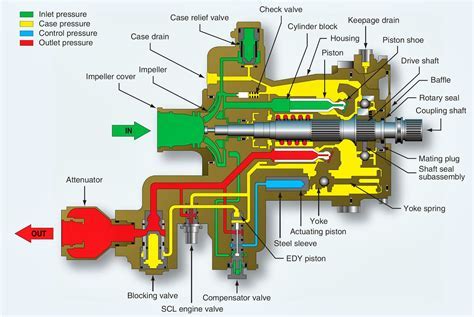
The most advanced and widely used in large aircraft, these pumps adjust fluid output dynamically based on system pressure. This results in enhanced efficiency, lower heat generation, and adaptive performance during flight envelope changes.
Hydraulic Motors and Actuators: Converting Pressure to Motion
Hydraulic pumps don’t act alone. Their pressure feeds into hydraulic motors and actuators that transform energy into mechanical motion. Hydraulic motors convert pressure into rotational energy, powering elements such as jackscrews or flap drive assemblies. Meanwhile, linear actuators, or hydraulic cylinders, extend and retract components like landing gear or cargo doors, where precision and load-bearing capacity are paramount.
These devices operate under intense strain, often at pressures exceeding 3,000 psi, and demand robust construction to handle repeated cycles without leakage or thermal fatigue.
System Redundancy and Fail-Safes
Aviation standards require multiple layers of redundancy to ensure continued hydraulic function in the event of failure. Typically, aircraft are equipped with two or more independent hydraulic systems, each powered by separate pumps and fluid circuits. These systems often cross-communicate via PTUs or share emergency backup power through RATs, allowing partial system functionality even when one circuit is compromised.
Pressure relief valves, accumulators, and hydraulic fuses provide additional layers of safety, absorbing sudden surges or isolating damaged components. Accumulators, in particular, play a critical role in storing excess pressure and dampening shock loads, especially during landing or flap deployment.
Threats to System Integrity and Safety Measures
Hydraulic systems, though robust, face several operational risks. The three most common threats include:
-
Overheating: Caused by friction or excessive pressure, leading to thermal degradation of fluid.
-
Pressure Loss: Due to pump failure or fluid leaks, which can be catastrophic in single-pump systems.
-
Contamination: Debris, water, or degraded fluid can cause valve sticking, seal erosion, or premature wear in motors and actuators.
To mitigate these risks, operators follow stringent maintenance schedules involving:
-
Frequent filter replacement
-
Monitoring fluid quality and contamination levels
-
Scheduled pump testing and calibration
-
Emergency training and adherence to QRH/ECAM checklists
Failures are rare, but the impact can be profound. Notable examples include the B752 incident in San Jose (2022), where a main hydraulic system failure led to brake performance degradation, and the A333 over Sydney (2019), where pilots managed manual control due to multiple hydraulic failures.
Operational Scenarios and Real-World Application
Hydraulic systems are designed to function seamlessly across every phase of flight. During takeoff, the hydraulic pump powers landing gear retraction and flight control surface adjustments. In cruise, minimal demands are placed on the pump except for minor trim adjustments and pressurization valves. During descent and landing, the system again surges in activity—managing flaps, spoilers, gear extension, and braking.
In emergency situations, such as dual engine failure, the RAT deploys to supply essential hydraulic and electrical power. Even in total power loss, a hand pump may be used to unlock and lower the gear—underscoring the absolute necessity of hydraulic resilience.
Future Trends in Aircraft Hydraulic Technology
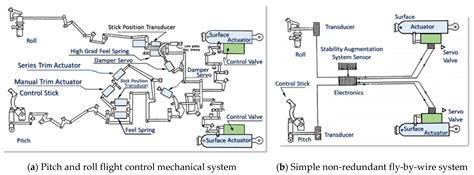
As aircraft move toward greater electrification, designers are investigating electro-hydrostatic actuators (EHAs) and power-by-wire systems that reduce dependency on central hydraulic circuits. These systems, while currently limited to secondary functions, promise reduced weight, modularity, and simpler routing.
Still, for primary control surfaces and high-load systems, central hydraulic power—driven by robust pumps—remains the gold standard. Innovations in smart fluid diagnostics, real-time monitoring, and AI-integrated health tracking are enhancing hydraulic safety and efficiency, even in legacy fleets.
Conclusion
The aircraft hydraulic pump is a marvel of engineering, silently powering the most demanding tasks in flight. It channels force with surgical precision, maintains pressure across miles of tubing and control lines, and provides the responsive energy needed for critical operations. From the simplest flap extension to emergency landing gear deployment, the hydraulic pump is aviation’s unseen workhorse—engineered to perform, built to endure, and supported by decades of evolution and experience.
Frequently Asked Questions
What is the function of an aircraft hydraulic pump?
An aircraft hydraulic pump creates pressure by moving hydraulic fluid through a closed system, enabling the operation of high-force components like landing gear, brakes, and flight control surfaces. Without the pump, the system would be inert and non-functional.
Why do aircraft use multiple hydraulic pumps?
Aircraft use multiple hydraulic pumps to ensure redundancy and reliability. If one pump or system fails, another can maintain critical functions. This is essential for maintaining control and safety in flight.
What is the typical operating pressure in an aircraft hydraulic system?
Most modern commercial aircraft operate at pressures of 3,000 psi, though some advanced systems can reach 5,000 psi for high-demand operations. The hydraulic pump must be capable of consistently delivering this pressure across all operating conditions.