Understanding Aircraft Hydraulic Fluid
In the heart of every modern aircraft lies a critical network of hydraulic systems, all powered by a single indispensable component: aircraft hydraulic fluid. This specialized fluid is far more than a lubricant or coolant—it is the energy transmission medium that enables reliable operation of crucial components such as landing gear, flight control surfaces, braking systems, and thrust reversers. Despite being largely hidden behind access panels, its importance in aviation cannot be overstated.
The operation of aircraft hydraulic systems is governed by Pascal’s Law, a principle established in the 17th century by Blaise Pascal. According to this law, any increase in pressure applied to a confined fluid is transmitted equally throughout the fluid. This means a relatively small force applied at one point can produce a much larger force elsewhere in the system—an ideal setup for aircraft, where space and weight are at a premium but control force needs are significant.
Unlike pneumatic systems that rely on compressible air, hydraulic fluid is virtually incompressible, ensuring instantaneous response and precise control under the rapidly shifting pressure conditions experienced in flight.
The Core Characteristics of Aircraft Hydraulic Fluid
Aircraft hydraulic fluid is engineered with highly specific performance attributes that enable it to function in the extreme operational environment of aviation. Among its essential properties are:
- Fire resistance to prevent combustion in high-heat zones.
- Thermal stability to maintain viscosity and performance across wide temperature ranges.
- Chemical stability to avoid breakdown under prolonged stress.
- Low compressibility to ensure rapid and efficient pressure transmission.
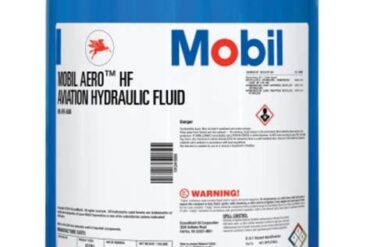
One of the most widely used fluids is Skydrol, a phosphate ester-based hydraulic fluid known for its fire resistance and long-term chemical durability. Skydrol’s formulation enables it to perform reliably at temperatures often exceeding 200°F, making it ideal for high-performance airliners and military aircraft.
How Hydraulic Systems Function in Aircraft
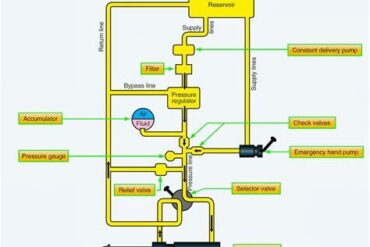
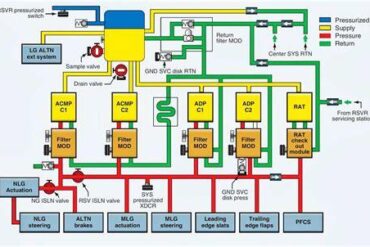
The configuration of aircraft hydraulic systems is optimized to deliver high force output using compact, lightweight components such as pumps, actuators, reservoirs, and lines. The integration of aircraft hydraulic fluid allows these systems to operate under pressures typically ranging from 3,000 to 5,000 psi, enabling the movement of heavy flight surfaces and structural elements with precision and minimal pilot effort.
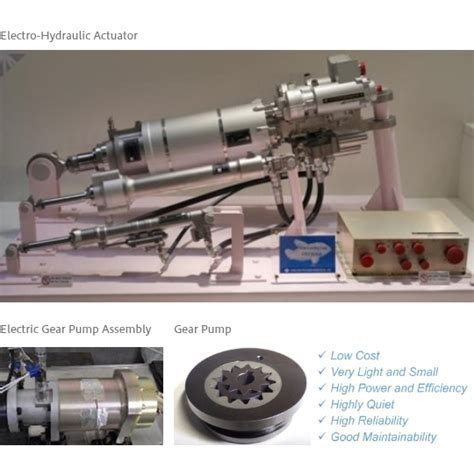
Hydraulic pumps—powered either mechanically or electrically—generate the system’s pressure. The fluid then travels through reinforced lines to actuators, where it transforms hydraulic energy into mechanical motion. Return lines feed the fluid back to the reservoir for recirculation.
Critical Applications of Aircraft Hydraulic Fluid
Landing Gear Systems
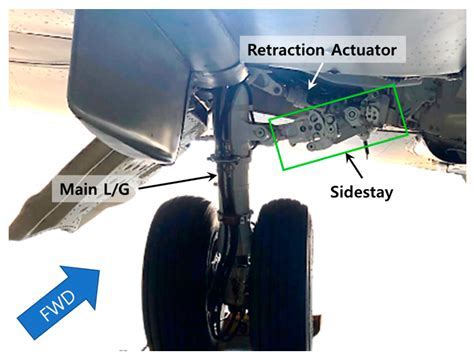
The deployment and retraction of landing gear require significant mechanical force. Hydraulic actuators, energized by high-pressure fluid, provide this force quickly and reliably. These systems are designed to operate even under partial hydraulic failure, using redundant pathways to ensure gear deployment under emergency conditions.
Brake Systems
During taxiing, takeoff, and particularly upon landing, aircraft brakes must absorb and dissipate immense kinetic energy. Most commercial and military aircraft use multi-disc hydraulic brake assemblies. These are controlled via the pilot’s foot pedals, which engage the hydraulic system to press brake pads against rotating discs, delivering high-friction deceleration in milliseconds.
The hydraulic fluid’s incompressibility ensures immediate transfer of force, eliminating lag and enhancing pilot control. For high-speed landings, the brakes often work in tandem with thrust reversers, which also rely on hydraulic actuation.
Flight Control Surfaces
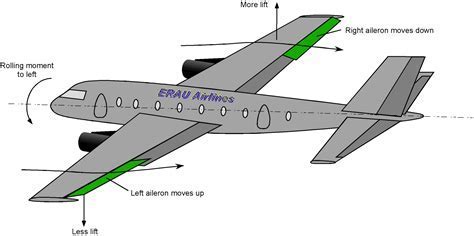
Primary control surfaces—including ailerons, rudders, elevators, and flaps—require precise movement to maintain aircraft stability and maneuverability. These surfaces often face significant aerodynamic resistance, particularly during high-speed or turbulent flight.
Hydraulic systems overcome this resistance by channeling fluid to actuators mounted directly on or near these surfaces. This enables pilots to make real-time adjustments, a vital requirement during ascent, descent, and complex flight maneuvers.
Thrust Reversers
Thrust reversers redirect engine output forward to shorten stopping distances. Their operation requires substantial force to counteract engine thrust and deploy the heavy, shielded components into position. Aircraft hydraulic fluid drives this process, delivering the strength and response speed needed for safe post-landing deceleration.
Some aircraft, such as those equipped with CFM56 engines, integrate hydraulic deployment with electronic control for highly synchronized reverser engagement.
Benefits of Aircraft Hydraulic Fluid and Hydraulic Systems
In the world of aerospace engineering, few components are as critical to safety and operational efficiency as aircraft hydraulic systems. These systems are responsible for enabling the precise and powerful movement of flight control surfaces, landing gear, brakes, and other essential functions. At the heart of these systems lies aircraft hydraulic fluid, a specialized substance engineered to meet the exacting demands of aviation environments.
Understanding the benefits of aircraft hydraulic fluid and hydraulic systems is essential for anyone involved in aircraft maintenance, manufacturing, or operation. These benefits extend from reliability and efficiency to cost-effectiveness and safety, underscoring their irreplaceable role in modern aviation.
Unmatched Reliability in High-Stakes Environments
Aircraft operate under extreme conditions — high altitudes, variable temperatures, and rapid pressure changes. Hydraulic systems excel in this environment due to their mechanical simplicity and resilience. The system works on Pascal’s Law, transferring force through an incompressible fluid, enabling large forces to be transmitted through relatively small tubes and components.
Unlike electrical or pneumatic systems that may fail due to overheating or air leakage, hydraulic systems maintain performance even under significant stress. This inherent reliability is a key reason why hydraulics are preferred for mission-critical operations such as:
- Primary flight control systems (ailerons, elevators, rudders)
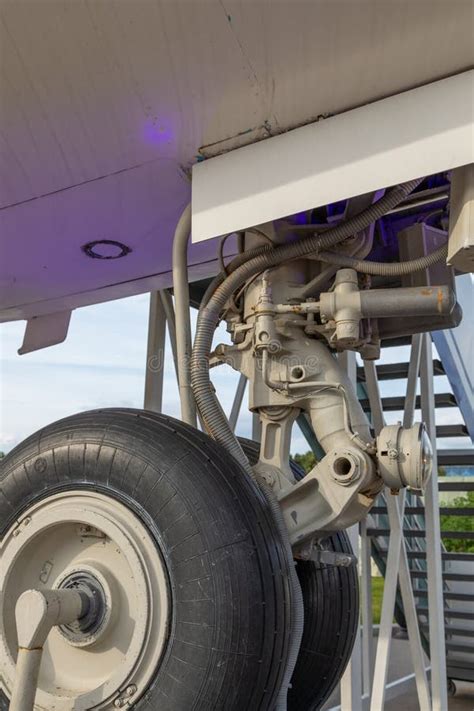
- Landing gear deployment and retraction
- Brake activation during high-speed landings
Because of their design, properly maintained hydraulic systems offer exceptionally low failure rates, a vital characteristic for aviation safety.
Real-Time Responsiveness Enhances Pilot Control
Speed is everything in aviation. Aircraft must respond immediately and precisely to pilot inputs, especially during takeoff, landing, and turbulent flight. Hydraulic fluid’s resistance to compression allows it to transmit force instantaneously from the cockpit controls to the respective control surfaces.
This capability is especially valuable in:
- Turbulent weather conditions, where precise micro-adjustments keep the aircraft stable
- Landing sequences, where hydraulic brakes and flaps must engage without delay
- Emergency maneuvers, where delayed response could lead to catastrophic consequences

Cost-Effectiveness and Streamlined Maintenance
While aircraft hydraulic systems are high-performance mechanisms, they are surprisingly cost-efficient over time. The underlying technology, based on basic physics principles, involves fewer complex moving parts compared to electromechanical alternatives. This simplicity results in:
- Lower maintenance overhead, as parts are easier to inspect and replace
- Reduced training requirements for maintenance personnel
- Minimized downtime, due to the modular design of most hydraulic components
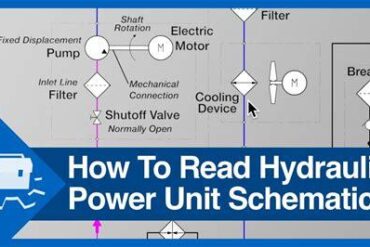
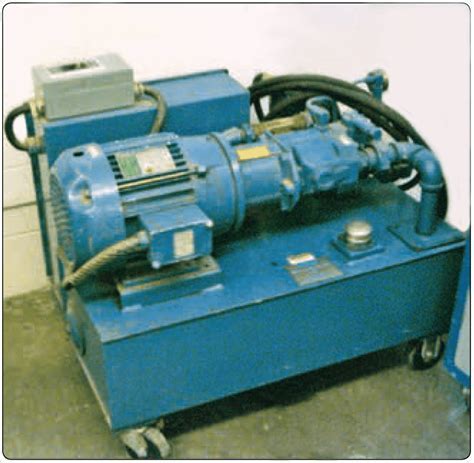
Furthermore, hydraulic systems can be supported by Hydraulic Power Units (HPUs) during ground testing and maintenance. These external systems simulate onboard pressure, enabling effective testing of landing gear, brakes, and control surfaces without requiring the aircraft to be powered.
Fire Resistance and Safety Engineering
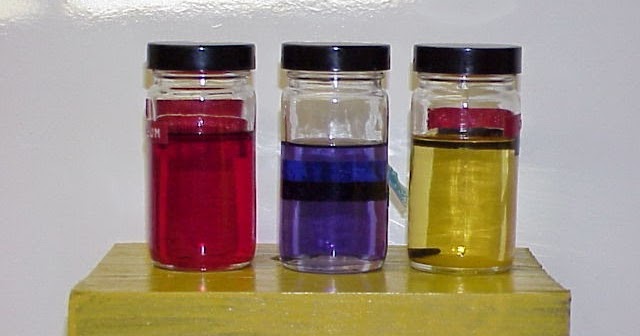
Safety is paramount in aviation. One key advancement in aircraft hydraulic fluids is their evolution toward fire-resistant formulations. Earlier petroleum-based fluids posed significant fire risks when exposed to extreme heat or during system breaches. Modern fluids, such as phosphate ester-based fluids (e.g., Skydrol), have addressed these issues through enhanced chemical engineering.
Phosphate ester fluids are now widely used in commercial and military aircraft due to their:
- High flash points
- Non-flammable characteristics
- Thermal stability across a wide temperature range
This evolution in fluid design has dramatically increased the overall safety of hydraulic systems onboard.
Aircraft Hydraulic Fluid Types and Their Applications
Hydraulic fluids vary in composition, performance characteristics, and compatibility. Choosing the correct type is essential to ensure system integrity and mechanical longevity. Aircraft hydraulic fluids are generally classified into three categories:
Mineral Oil-Based Fluids
Derived from petroleum, these are the most common fluids used in general aviation. They are:
- Cost-effective
- Compatible with rubber-based seals and gaskets
- Easy to source and handle
However, they are less fire-resistant, limiting their use in high-performance or military aircraft.
Synthetic Hydrocarbon-Based Fluids
Designed for high-performance aircraft, these fluids offer superior performance at high temperatures and pressures. Their characteristics include:
- Extended operational range
- Improved oxidative stability
- Lower volatility
These fluids are ideal for environments where both performance and reliability are critical.
Phosphate Ester-Based Fluids
Used in commercial jetliners and military aircraft, phosphate esters like Skydrol are distinguished by:
- Exceptional fire resistance
- Low compressibility
- High thermal stability
Their chemical aggressiveness, however, means they require specialized seals and hoses.
The Importance of Fluid Compatibility and System Integrity
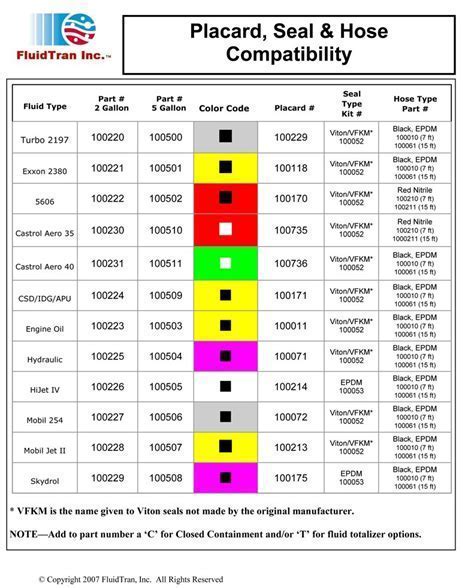
Aircraft hydraulic systems are precision-engineered environments. Each system is designed with specific fluid chemistry in mind, and mixing fluids — even those of the same general category — can have disastrous results.
Incompatible fluids can lead to:
- Seal degradation
- Viscosity inconsistencies
- Unexpected thermal expansion or contraction
- Corrosion and contamination
Therefore, manufacturers specify approved fluids, and these guidelines must be rigorously followed during both refills and maintenance operations.
Maintenance and Testing Protocols
Maintenance of hydraulic systems demands accuracy and discipline. Beyond fluid checks, pressure tests, and leak detection, many aircraft undergo scheduled fluid analysis to monitor for:
- Contamination by moisture or particulates
- Degradation due to thermal cycling
- Presence of metallic particles indicating internal wear
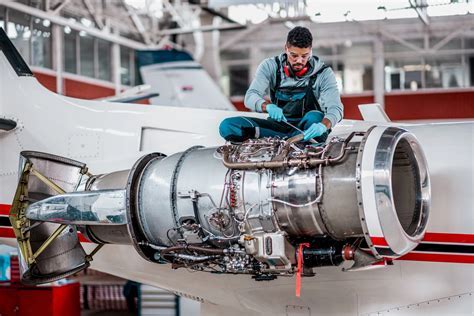
These diagnostic procedures help extend system life and improve reliability. When maintenance is performed on the ground, hydraulic mules or portable hydraulic test units deliver pressurized fluid to simulate flight conditions for comprehensive system evaluation.
The Future of Aircraft Hydraulic Systems
With the aviation industry moving towards more electric aircraft (MEA), the role of hydraulic systems may evolve, but not disappear. Even electric actuation technologies will rely on hybrid systems for redundancy and high-force applications like landing gear and flight controls.
Smart hydraulics, which integrate sensors and autonomous control logic, are already being trialed in next-gen aircraft to improve efficiency and predictive maintenance. Regardless of the trajectory, aircraft hydraulic fluid will continue to be a cornerstone of safe, responsive, and high-performance flight.
Conclusion: Why Aircraft Hydraulic Systems Remain Indispensable
Despite the increasing digitization of avionics and flight control systems, hydraulic systems remain unmatched in terms of force delivery, speed, and safety. Combined with highly specialized hydraulic fluids, these systems support the mechanical backbone of aviation. They continue to evolve through the development of better materials, more fire-resistant fluids, and streamlined maintenance practices.
For anyone involved in aircraft design, maintenance, or operations, a deep understanding of these systems is essential. They are not just components — they are lifelines, enabling the safe and efficient movement of aircraft around the globe.
Frequently Asked Questions
What is the most commonly used aircraft hydraulic fluid?
Skydrol, a phosphate ester-based fluid, is the most commonly used hydraulic fluid in commercial aircraft due to its fire resistance, chemical stability, and thermal resilience.
How often does aircraft hydraulic fluid need to be replaced?
Fluid replacement intervals vary based on aircraft model and operational intensity. Some systems are inspected and topped off regularly, while full fluid changes may occur every 2,000 to 5,000 flight hours, or when diagnostics indicate contamination or degradation.
Is aircraft hydraulic fluid flammable?
It depends on the type of hydraulic fluid. Phosphate ester-based fluids, such as Skydrol, are engineered to be fire-resistant, while older mineral oil-based fluids are more flammable. Modern aviation regulations strongly favor the use of fire-resistant formulations for safety reasons.
Can hydraulic fluids be mixed in aircraft systems?
No, mixing hydraulic fluids is strictly prohibited. Different fluids have unique viscosities, additives, and chemical behaviors. Mixing them can lead to system failure, seal breakdown, and inefficient performance. Always use the fluid type specified by the aircraft manufacturer.
How often are aircraft hydraulic systems maintained?
Maintenance schedules vary by aircraft model and usage, but regular fluid analysis, leak testing, and system inspections are standard. Ground tests using hydraulic mules help simulate flight conditions for accurate maintenance assessments. Most systems are inspected during every major check cycle (e.g., A, B, C, D checks).