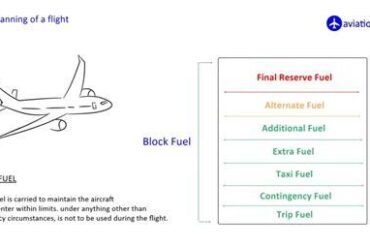
Preflight fuel planning is a crucial step in aviation, determining the right amount of fuel for a flight. This process can be done manually by consulting charts and graphs or electronically through specialized fuel planning software. Regardless of the method, it’s vital that preflight fuel planning adheres to regulatory requirements, company policies, and specific criteria on the day of the flight. These criteria include the aircraft, crew, payload, fuel tankering, de-icing needs, origin, route, airspace notifications, destination, alternates, NOTAMs, and weather conditions.
One major threat is insufficient fuel, which can occur due to inadequate preflight planning. This may lead to a total fuel requirement that doesn’t meet the needs of the planned flight. Conversely, excessive fuel can result from similar oversights or ignoring company policies and manufacturer limits, leading to calculations that far exceed what’s necessary for the flight.
The consequences of insufficient fuel are serious. They can include needing to return to the gate before departure because fuel is below minimum levels, turning back mid-flight due to fuel shortages, or diverting enroute because there isn’t enough fuel to continue. Additionally, pushing weather limits under VFR rules can result in breaking IFR limits during approach. In severe cases, fuel depletion can force crews to declare emergencies, leading to regulatory actions against the company or crew and risking engine failure from fuel starvation.
On the flip side, excessive fuel can lead to exceeding aircraft limitations like maximum takeoff or landing weight. This not only increases operational costs due to higher fuel burn but can also complicate safety regulations.
To defend against these threats, a thorough preflight fuel planning process is essential. This process must comply with regulatory fuel requirements for the type of flight and operational area. It should integrate any company policies while considering factors such as aircraft limitations, maximum takeoff and landing weights, and fuel consumption penalties specific to the aircraft scheduled for the flight.
When assessing payload, it’s important to estimate the aircraft’s zero fuel weight accurately. Consider whether fuel tankering is needed for operational reasons or financial prudence, and account for additional fuel for ETOPS or remote destinations. The crew configuration also plays a role—ensure that all flight deck members are qualified for the specific conditions of the flight.
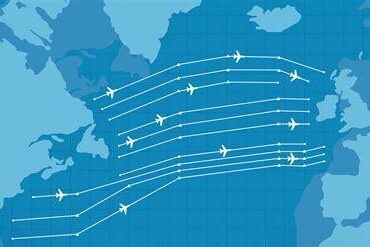
Additionally, analyze the departure aerodrome. What’s the average taxi time? Are delays likely due to weather or other factors? Understanding the anticipated route, including any expected enroute delays and required alternates, is also critical. At the destination, anticipate any arrival delays and check that the runway can accommodate the expected landing weight.
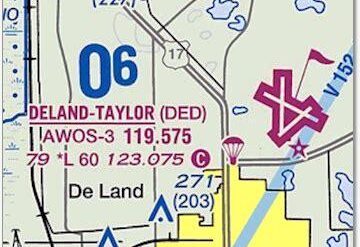
It’s equally important to check alternate aerodromes. How many are required, and are there any limitations to consider? Be aware of any limiting NOTAMs that could affect planned aerodromes, such as airfield closures or changes in procedures. Lastly, monitor the weather closely. Ensure that forecasted conditions meet legal requirements, and consider adding holding fuel if necessary.
In some scenarios, pilots might load fuel based on previous experience without adequately reviewing current weather, leading to unexpected delays. Other times, flight planning might proceed without checking the aircraft’s maintenance status, resulting in restricted altitudes and the need to adjust payload and fuel requirements at the last minute.
Effective preflight fuel planning relies on well-trained and motivated staff who understand regulations, company policies, and aircraft limitations. Timely access to accurate information—including weather, payload, and maintenance status—is essential for successful planning.