
Disney Vacation Club (DVC), Disney’s exclusive timeshare program, has recently rolled out a significant policy shift aimed at curbing the rampant growth of commercial rentals that have increasingly dominated its landscape. As of June 2025, members are now required to certify that their bookings are exclusively for personal use, explicitly stating that they cannot be used for commercial purposes. This new regulation has sparked a wave of discussions within the DVC community, particularly among sports travelers who often plan their trips around major events at Disney parks. Understanding these changes is crucial for anyone relying on DVC rentals for their vacation plans.
The primary motivation behind this new policy is to address the rising trend of large-scale commercial renters who exploit the DVC system for profit. The ease with which members can rent out their points through various online platforms has led to an increase in those attempting to capitalize on peak travel seasons, often leaving everyday members struggling to find availability during popular times. Chad Pennycuff, a long-time DVC member and host of the My DVC Points podcast, highlights that many individuals now hold multiple key reservations, sometimes up to thirty, during peak periods like the winter holidays. This has significantly impacted the ability of average members to secure reservations when they wish to visit the parks.
To further illustrate the situation, it’s vital to note that while the policy has been in place for some time, the recent changes reflect Disney’s ongoing efforts to ensure that the DVC points system benefits its members rather than commercial entities. As Pennycuff noted, social media has transformed the way DVC members interact, sharing information about rental opportunities and facilitating arrangements that may not align with Disney’s intended use of the program. However, critics of the new policy argue that the language may be too vague and not stringent enough to deter commercial renters effectively. Tom Bricker from Disney Tourist Blog pointed out that while the policy might appease frustrated members, it likely won’t deter those who are efficiently renting large quantities of points.
For most members of the DVC, the implications of this policy change may not be immediately severe, especially if they primarily rent to family and friends. However, there exists a layer of concern among those who utilize point rentals as a means of financial relief when they cannot travel. Annual dues continue to accumulate, and some members may find themselves needing to rent out their points to mitigate potential losses. The ambiguous definition of ‘personal use’ could create confusion, particularly for members who occasionally rent to acquaintances outside their immediate family. This uncertainty raises questions about compliance with the new rules, creating an environment where members may inadvertently find themselves in violation of the policy.
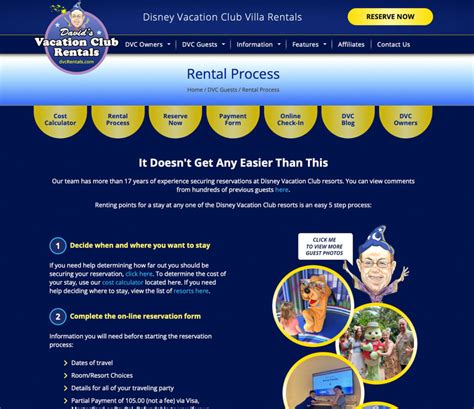
As travelers consider their options for booking DVC stays, it’s important to recognize that the recent policy changes may not dramatically impact rentals through third-party companies. Established companies such as David’s Vacation Club and the DVC Rental Store act as intermediaries, facilitating bookings between members and guests without directly renting points themselves. Since these organizations operate as brokers, they do not fall under the new classification of commercial renters. Therefore, travelers interested in securing reservations through these platforms can continue to do so, provided that the services maintain compliance with the updated DVC policies.
For those who frequently rely on renting DVC points or booking through third-party services, several steps can help mitigate any potential disruptions caused by the new policy:
- Review DVC’s New Terms: Familiarizing oneself with the updated terms and conditions is essential for ensuring compliance and avoiding unintentional violations.
- Book Early: Given the potential constraints on availability, particularly during peak seasons, early reservations can significantly reduce the risk of disappointment.
- Utilize Trusted Third-Party Services: Engaging with reputable companies that specialize in DVC bookings ensures a smoother rental process and greater adherence to new policies.
- Clarify with DVC: If there is any doubt regarding the compliance of a rental arrangement, contacting DVC directly for clarification can provide peace of mind.
- Explore Alternatives: Should the complexity or costs associated with DVC bookings increase, considering other Disney vacation options may be prudent. Although they may not offer the same benefits as DVC resorts, various affordable hotels and resorts are available within the Disney network.
The broader implications of this policy change reflect a tension within the DVC community as Disney strives to balance the interests of its core members against the growing phenomenon of commercial rentals. For sports travelers, who frequently coordinate trips around Disney’s various sporting events, the ramifications of this policy may be felt most acutely during peak times. To navigate these changes effectively, it is imperative for travelers to remain informed, proactive, and adaptable.
While the intent behind DVC’s rental policy changes is to create a fairer environment less susceptible to commercial exploitation, the effectiveness of these measures will likely evolve over time. Both members and travelers must stay updated and engaged with these developments to ensure their Disney experiences remain enjoyable and fulfilling. Whether planning frequent visits or a once-in-a-lifetime trip, understanding the nuances of the DVC rental landscape is essential for navigating membership and rental opportunities with confidence.