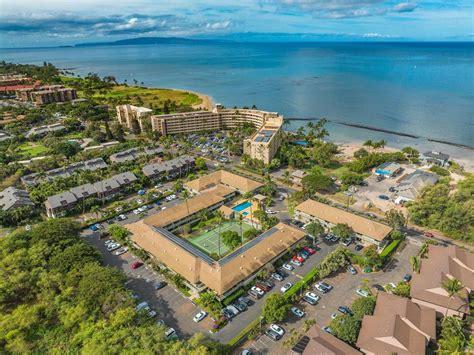
In a bold move to combat the growing housing shortage exacerbated by the devastating wildfire that nearly wiped out Lahaina two years ago, lawmakers on Maui have passed groundbreaking legislation aimed at curbing the impact of vacation rentals. The new law specifically targets the increasing number of short-term vacation rentals, which have significantly contributed to the island’s housing scarcity. This measure, passed on Thursday, signals a monumental shift in how Hawaii’s top tourist destination addresses the intersection of tourism and local housing needs.
This decision comes at a time when various global tourist hotspots are pushing back against the infiltration of vacationers into residential areas. Countries and regions around the world, including Spain, have begun to regulate or limit short-term rentals due to similar challenges. In Spain, for example, over 65,000 holiday listings were blocked by Airbnb for violating local rules earlier this year. Cities like Barcelona and Venice have also witnessed massive protests from residents concerned about the overwhelming impact of tourism on their communities. The actions taken by Maui highlight a growing recognition of the detrimental effects of unregulated tourism on local populations and their quality of life.

Maui’s Legislation: A Bold Solution to a Growing Crisis
Maui’s new law specifically addresses the growing influence of vacation rentals, which currently account for approximately 21 percent of the total housing stock in the county, home to around 165,000 residents. The Maui County Council’s housing committee voted in favor of the bill, with a decisive 6-3 result, marking a critical step forward in the effort to tackle the ongoing housing crisis. The legislation focuses on closing a loophole that allowed condo owners in apartment zones to rent their units for short stays, sometimes as brief as a few days or weeks, instead of adhering to the previously mandated minimum of 180 days.
This new policy is set to take effect in West Maui, including Lahaina, in 2028, allowing property owners sufficient time to comply with the new rules. The rest of Maui County will have until 2030 to make necessary adjustments. This regulation not only seeks to mitigate the housing shortage but also aims to preserve the character of local neighborhoods, ensuring they remain vibrant communities for residents rather than transient vacationers.
The Impact on Maui’s Housing Market and Tourism
The timing of this legislation is crucial, as the housing market in Maui is under immense strain. An analysis conducted by economists at the University of Hawaii suggests that this measure could potentially add 6,127 units to Maui’s long-term housing supply, thereby increasing available housing by 13 percent. The positive implications of such an increase cannot be overstated, particularly when considering the acute housing shortage faced by many residents.
However, this move has not been without its critics. Some local residents and business owners have voiced concerns regarding the economic repercussions of the new legislation. Many of the vacation rental units in question are situated in older condos, and opponents argue that local residents may struggle to afford these units due to escalating mortgage payments, insurance costs, and maintenance fees. These concerns reflect the ongoing challenges that Maui faces in balancing the needs of tourists and residents while navigating the complexities of its housing crisis.
Economic and Social Repercussions: A Broader Context
While the new law is anticipated to significantly expand Maui’s housing stock, it also raises pertinent questions about the broader economic impact on tourism, a vital industry for the island’s economy. The University of Hawaii study predicts that the new policy could result in the loss of about one-quarter of Maui County’s visitor accommodations. Consequently, this is projected to lead to a 15 percent reduction in visitor spending, with a corresponding contraction of 4 percent in the island’s gross domestic product.
Despite these predictions, Maui’s mayor, Richard Bissen, has expressed confidence that the economic fallout will be manageable. Although a decline in visitor spending is expected, it is important to note that most of the income generated from vacation rentals in apartment zones flows off-island, as 94 percent of rental property owners do not reside in Maui. According to Bissen’s staff, the county’s budget can likely withstand the estimated $61 million loss in annual tax revenue resulting from the reduction in vacation rentals.
Bissen has underscored that the legislation represents just one part of a broader housing strategy. This comprehensive plan includes building new housing, investing in essential infrastructure, and addressing the issue of illegally operated vacation rentals. He noted that certain constraints, such as limited water supplies and sewer infrastructure, impose limits on how much new housing can be constructed, complicating the solution to the ongoing crisis.
The Balance Between Tourism and Community Needs
Tourism will undoubtedly remain a central pillar of Maui’s economy; however, the mayor has made it clear that this must not come at the expense of local communities. Bissen’s statements reflect a growing concern regarding the negative effects of unchecked tourism on Maui’s residents, many of whom have been priced out of their own neighborhoods due to the surge in vacation rental properties. This stance resonates with sentiments expressed in other parts of the world, where cities have increasingly struggled to balance the needs of the tourism industry with the well-being of their local populations. Unchecked growth in short-term vacation rentals often leads to gentrification, rising living costs, and the erosion of community ties.
Maui’s new policy represents a bold attempt to confront these issues head-on, ensuring that the island retains its appeal as a tourist destination while prioritizing the needs of its residents.
Community and Business Reactions: Mixed Views
Reactions to the new legislation have been mixed, especially among local business owners and residents who rely on vacation rentals for their livelihoods. Alicia Humiston, president of the Rentals by Owner Awareness Association, expressed concern that the new policy could adversely affect small business owners, including housekeepers, plumbers, and electricians who depend on the vacation rental market for income. Humiston’s perspective underscores a broader issue of how such legislation can inadvertently harm the very community it aims to protect, particularly in an economic landscape heavily intertwined with tourism.
Nevertheless, Mayor Bissen and other proponents of the bill argue that the long-term benefits of addressing the housing crisis far outweigh the immediate economic challenges. By restoring housing availability for local residents, they believe the legislation will help stabilize the community, ensuring that future generations of Maui residents can continue to live and thrive on the island.
The Path Ahead: Looking to the Future
Maui’s decisive action to regulate vacation rentals serves as an example of how communities are evolving in response to the pressures of overtourism and housing shortages. This legislation marks a critical first step in addressing the deepening housing crisis on the island, but further efforts will be necessary to fully restore balance to the local housing market. In addition to the vacation rental legislation, the county must invest in developing new housing, enhancing infrastructure, and ensuring that residents are not priced out by the escalating cost of living.
The challenge lies in striking a balance between preserving Maui’s cultural heritage, maintaining its economic vitality through tourism, and ensuring that local residents have access to affordable housing.
A Model for Other Tourist Destinations?
Maui’s legislation could serve as a model for other tourist destinations grappling with similar issues of overtourism and housing shortages. As more cities and islands confront the complex challenge of balancing tourism and local needs, Maui’s approach highlights the importance of bold, forward-thinking policies that prioritize the well-being of residents while continuing to welcome tourists sustainably. With the right mix of regulation, investment, and community engagement, Maui may set a precedent for how other destinations can navigate the delicate balance between economic growth and community stability.