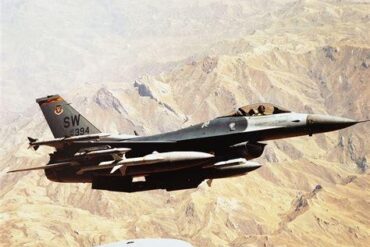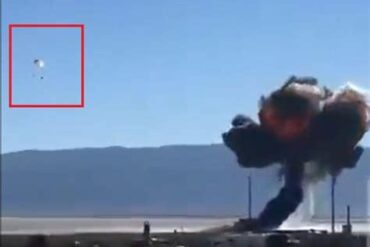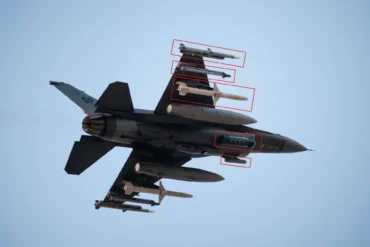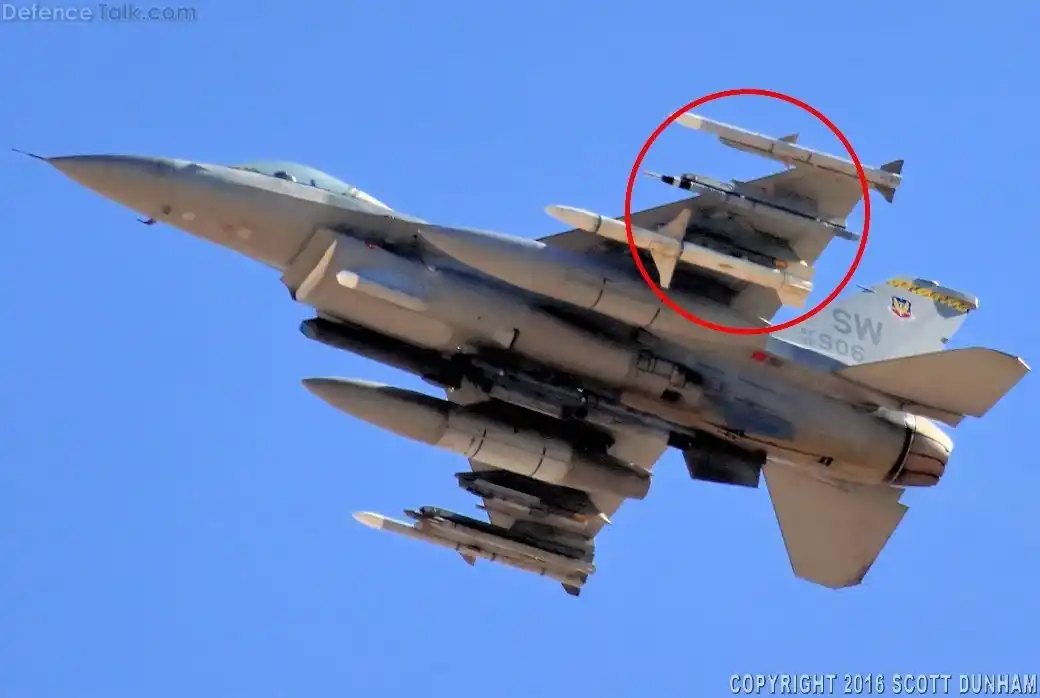
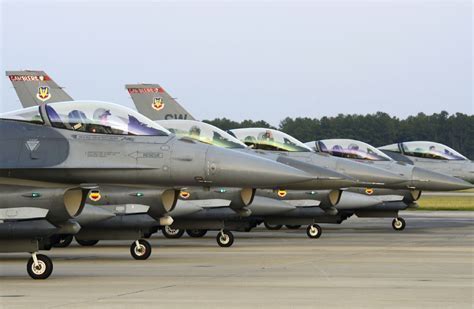
The F-16 Wild Weasel stands as one of the most formidable assets in modern aerial warfare, renowned for its precision, bravery, and advanced electronic warfare capabilities. Developed specifically for the Suppression of Enemy Air Defenses (SEAD) mission, this elite fighter aircraft is designed to seek out, identify, and neutralize hostile radar and surface-to-air missile (SAM) systems, clearing the skies for follow-on strike forces. Its reputation is built on a legacy of daring missions and technological innovations that have reshaped air combat doctrines around the globe.
The operational ethos of the F-16 Wild Weasel is defined by its willingness to expose itself to intense enemy fire in order to lure hostile systems into revealing their positions. By deliberately triggering enemy radars and missile systems, the aircraft creates a tactical scenario where anti-radiation missiles and precision-guided weapons can be effectively employed. This bold strategy not only disrupts enemy defenses but also serves as a psychological blow to adversary operators, who may be forced to shut down critical systems to avoid detection.
History and Origins
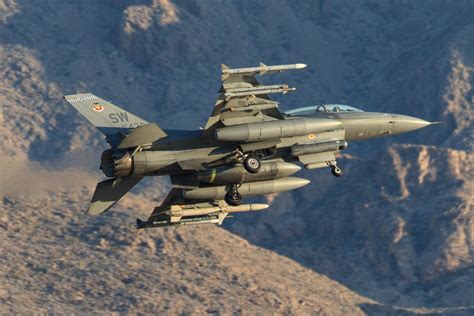
The concept of a dedicated SEAD fighter was born out of the harsh realities of modern air warfare. During the Vietnam War, early SEAD missions were conducted by aircraft such as the F-100 and F-105, which laid the groundwork for the specialized tactics later perfected by the F-16 Wild Weasel. Emerging from this crucible of conflict, the F-16 began to embrace the Wild Weasel role in the 1980s, a period that saw significant advancements in electronic countermeasures and precision munitions.
Historically, the Wild Weasel nickname draws inspiration from the cunning and tenacity of a weasel burrowing into enemy territory. Just as the animal stealthily infiltrates its prey’s lair, the F-16 Wild Weasel penetrates deep into hostile airspace, deliberately exposing itself to enemy detection. This counterintuitive tactic is designed to force adversaries to activate their radar systems and missile batteries, thus providing a window of opportunity for coordinated strike operations. In the Gulf War, this role was brought to national and international attention when F-16 Wild Weasel units decisively dismantled large segments of the Iraqi air defense network, establishing a new standard for SEAD operations.
Tactical Operations and Equipment
The success of the F-16 Wild Weasel in the SEAD role is a testament to its cutting-edge technology and sophisticated tactics. At the heart of its operational capability is an integrated suite of sensors, electronic warfare systems, and specialized weaponry that work in unison to locate and eliminate enemy defenses.
Core Weapons and Systems
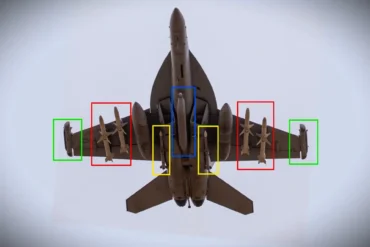
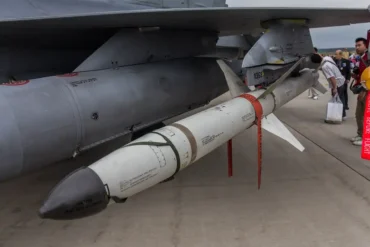
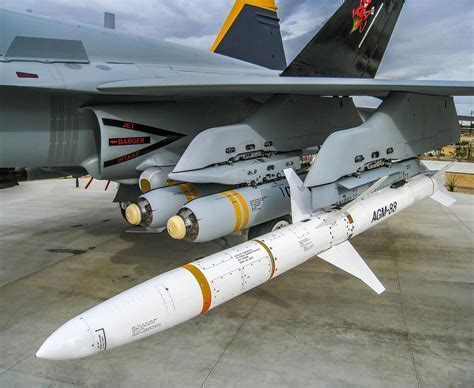
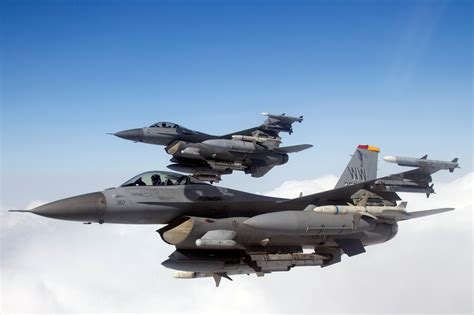
- AGM-88 HARM Missile: This anti-radiation missile is purpose-built to home in on enemy radar emissions. Once the hostile radar is activated, the F-16 Wild Weasel locks on to the signal and launches the AGM-88 HARM, effectively neutralizing the threat at its source.
- AGM-65 Maverick Missile: Complementing the HARM, the Maverick missile is employed for precision strikes against armored or fortified targets, offering versatility in engagement options.
- M61 Vulcan Cannon: For situations that require close-range firepower, the aircraft is equipped with a high-speed Gatling gun, ensuring that even in dire circumstances, the pilot has an immediate means of defense.
Tactical Process
The tactical operation of the F-16 Wild Weasel can be broken down into three critical phases:
- Inducing Enemy Activation: The aircraft boldly enters enemy airspace at low altitude to compel the activation of enemy radar and SAM systems. This maneuver is both audacious and essential, as it creates the necessary conditions for a successful counterattack.
- Target Acquisition and Engagement: Once enemy systems are active, the F-16’s onboard HARM Targeting System (HTS) comes into play, pinpointing the location of hostile radars with precision. The pilot then selects the appropriate weapon—be it the AGM-88 HARM or AGM-65 Maverick—to engage and destroy the target.
- Evasive Maneuvers and Tactical Withdrawal: After launching its missile, the F-16 Wild Weasel must quickly evade any countermeasures or secondary threats. Utilizing its exceptional agility and advanced avionics, the aircraft executes rapid climbs, lateral movements, and other evasive tactics to minimize exposure to enemy fire.
These operations are rarely conducted in isolation. The F-16 Wild Weasel often coordinates with other assets, such as E-3 AWACS aircraft, ground-based forward air controllers (FAC), and allied fighter jets. This network-centric approach ensures that real-time intelligence and tactical directives flow seamlessly between platforms, enhancing the overall effectiveness of SEAD missions.
High-Risk Operational Environment
Operating as a Wild Weasel is a task fraught with peril. The nature of SEAD missions requires the F-16 to undertake extremely hazardous maneuvers, including sustained low-altitude penetration into heavily defended enemy territory. Flying at altitudes as low as 1000 feet (approximately 300 meters) exposes the aircraft to a variety of threats such as anti-aircraft artillery, infrared-guided missiles, and even adverse weather conditions like sandstorms.
Challenges of Low-Altitude Penetration
- Exposure to Ground Fire: Operating at such low altitudes means that the F-16 Wild Weasel is within the effective range of short-range air defense systems and anti-aircraft artillery. The constant threat of ground fire demands impeccable pilot skill and precise timing.
- Infrared and Radar Vulnerability: Despite its advanced countermeasures, the aircraft remains susceptible to infrared-guided missiles and enemy radar tracking, necessitating swift and calculated evasive actions.
- Environmental Hazards: Natural phenomena, such as dust storms or turbulent weather, further complicate low-altitude flight operations. Pilots must constantly adjust their tactics to mitigate these unpredictable challenges.
Psychological Warfare and Pilot Excellence
The very tactics that make the F-16 Wild Weasel effective also serve as a tool of psychological warfare. By daring to expose itself to enemy detection, the aircraft forces adversaries into a reactive posture. Enemy radar operators, aware of the imminent threat, may be compelled to shut down their systems, thereby inadvertently diminishing the overall defensive capabilities of their network.
Pilot proficiency is paramount in this high-risk environment. The F-16 Wild Weasel demands that its pilots not only excel in aerial combat but also master the intricacies of electronic warfare and terrain navigation. Legendary pilots, such as Dan Hampton, have become synonymous with the Wild Weasel legacy—Hampton’s exemplary missions, in which he reportedly destroyed 21 enemy missile sites, underscore the lethal effectiveness and tactical brilliance inherent in these operations.
Modern Upgrades and Future Evolution
In the ever-evolving theater of aerial combat, continuous modernization is essential to maintain a competitive edge. The F-16 Wild Weasel has undergone significant upgrades over the decades, each iteration further enhancing its SEAD capabilities.
Block 50/52 Enhancements
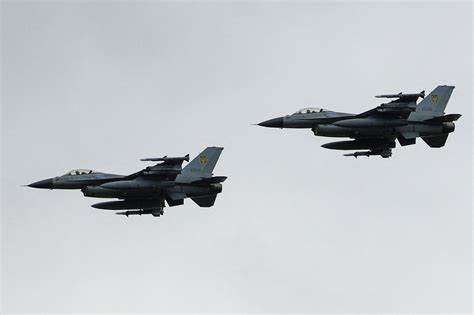
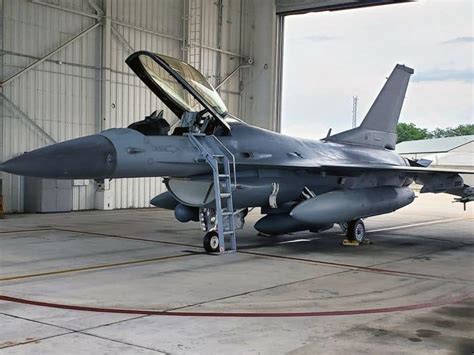
The Block 50/52 versions of the F-16 Wild Weasel were specifically engineered for the SEAD role. These aircraft are equipped with an integrated HARM Targeting System (HTS), which enhances their ability to detect and engage enemy radar emissions swiftly. In addition to carrying a larger payload of anti-radiation missiles, these upgrades also include advanced electronic countermeasures that provide a robust defense against modern threats.
Global Deployment and Multinational Use
The effectiveness of the F-16 Wild Weasel is not confined solely to the United States. Allied nations, including Greece and Turkey, have integrated these specialized aircraft into their own air defense strategies. This multinational deployment underscores the global recognition of the Wild Weasel’s capabilities and its indispensable role in countering regional air defense threats.
Block 70/72: The Next Generation
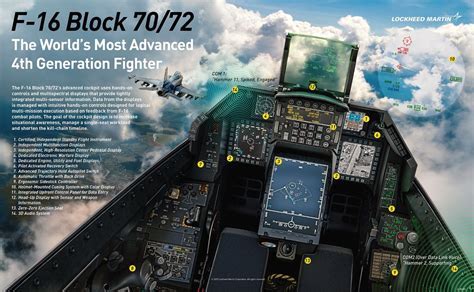
Looking toward the future, the Block 70/72 versions represent the pinnacle of the F-16 Wild Weasel evolution. These models incorporate cutting-edge technologies such as AESA radar (APG-83) and an automatic collision avoidance system, significantly bolstering the aircraft’s situational awareness and survivability. The enhancements ensure that the F-16 Wild Weasel remains capable of operating in an increasingly contested and technologically sophisticated battlefield environment.
These modernizations not only extend the operational lifespan of the F-16 Wild Weasel but also ensure that it can adapt to the ever-changing landscape of modern warfare. As adversaries continue to develop more complex and integrated air defense systems, the ability of the F-16 Wild Weasel to evolve will be critical in maintaining air superiority.
Impact on Modern Air Warfare
The legacy of the F-16 Wild Weasel is defined by its transformative impact on modern air warfare. By pioneering the concept of SEAD missions, it has not only reshaped tactical doctrines but also influenced the design and deployment of subsequent fighter aircraft. Its role as a “door-breaker” on the battlefield has allowed allied strike packages to penetrate deep into enemy territory with reduced risk, fundamentally altering the balance of power in aerial combat.
Strategic Significance
The integration of electronic warfare capabilities into the operational framework of the F-16 Wild Weasel has introduced a new dimension to modern conflict. By targeting and neutralizing enemy radar and SAM systems, it creates a strategic window that enhances the overall effectiveness of coordinated air operations. The emphasis on technology, precision, and agility has set a benchmark for future combat aircraft and has driven continuous innovation within the aerospace industry.
Tactical Innovations
The SEAD tactics employed by the F-16 Wild Weasel have inspired the development of advanced countermeasures and offensive strategies. From the early days of rudimentary electronic warfare to today’s sophisticated sensor fusion and networked combat systems, the evolution of SEAD operations continues to influence military doctrines worldwide. The aircraft’s ability to force enemy defenses into a reactive state has proven critical in not only degrading the effectiveness of hostile air defenses but also in disrupting the enemy’s overall command and control structure.
The synergy between manned fighter aircraft and modern surveillance platforms such as the E-3 AWACS further exemplifies the integrated approach of contemporary air combat. This coordination ensures that tactical decisions are informed by real-time intelligence, allowing for rapid responses to evolving threats and enhancing mission success rates.
Conclusion
In summary, the F-16 Wild Weasel embodies the convergence of advanced technology, tactical audacity, and relentless innovation. Its role in Suppressing Enemy Air Defenses has redefined modern aerial combat, providing a critical edge that enables allied forces to operate effectively in hostile environments. From its origins in the tumultuous battles of the Vietnam War to its current status as a linchpin in multinational air defense strategies, the F-16 Wild Weasel remains a testament to the enduring power of strategic innovation. As new threats emerge and technology continues to evolve, the aircraft’s legacy is set to persist, ensuring that it remains at the forefront of air superiority and tactical ingenuity for decades to come.
FAQ
What is the primary role of the F-16 Wild Weasel?
The primary role of the F-16 Wild Weasel is to conduct SEAD missions—that is, to locate and destroy enemy air defense systems such as radars and surface-to-air missile (SAM) sites. By deliberately triggering enemy defenses, it enables follow-on strike packages to operate with reduced risk.
How does the F-16 Wild Weasel achieve its mission?
The F-16 Wild Weasel employs advanced sensor suites and a combination of anti-radiation and precision-guided missiles, notably the AGM-88 HARM and AGM-65 Maverick, to detect and neutralize hostile radar emissions. It executes low-altitude, high-risk maneuvers to force enemy systems to activate, allowing it to engage targets effectively before executing evasive maneuvers.
What modern upgrades have been integrated into the F-16 Wild Weasel?
Modern upgrades include the Block 50/52 variants with integrated HARM Targeting Systems and enhanced electronic countermeasures, and the Block 70/72 models which feature cutting-edge AESA radar (APG-83) and automatic collision avoidance systems. These advancements ensure improved survivability and operational effectiveness in an increasingly contested airspace.
The F-16 Wild Weasel remains an enduring symbol of tactical brilliance and technological superiority in the realm of modern air combat. Its evolution—from early SEAD operations to contemporary multi-national deployments—highlights a legacy defined by relentless innovation and unwavering commitment to achieving air dominance.