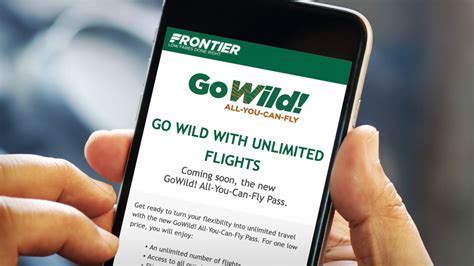
In today’s fast‑paced world, travelers crave flexibility, spontaneity, and the freedom to explore without worrying about escalating ticket prices. Frontier Airlines’ annual Go Wild Pass, marketed as the ultimate all‑you‑can‑fly solution for $299, promises exactly that: unlimited seats on Frontier flights with only taxes and fees to cover. But does it deliver on its bold claim? Drawing on firsthand accounts from Reddit’s r/FrontierAirlines community, this article delves deep into the real‑world experiences of frequent flyers, cost‑savvy strategists, and family adventurers to determine whether the Go Wild Pass truly lives up to its hype.
The conversation began when Reddit user Fly_Casual_16 asked fellow travelers whether the $299 annual pass was easy to use and, more importantly, worth the investment. Responses poured in from flyers across the spectrum: remote workers hopping between cities, grandparents chasing grandchildren, weekend warriors seeking spontaneous getaways, and even family planners evaluating passes for multiple children. Their voices paint a comprehensive picture of life with the Go Wild Pass, from effortless triumphs to nail‑biting booking scrambles.
At its core, the Go Wild Pass requires users to book flights at least 24 hours in advance, selecting from a limited allocation of “Go Wild” seats on each route. Taxes and government fees—typically ranging from $15 to $50 per segment—still apply, and Frontier’s à la carte baggage fees remain in force. Passengers must be nimble, flexible, and prepared to adapt when aircraft schedules shift or Go Wild seats disappear. But for those who master the system’s quirks, the rewards can be substantial, as many users report breaking even or even profiting after just a handful of trips.
User Verdicts: Breaking Even and Beyond
Among the earliest voices in the thread, Fly_Casual_16 offered a candid assessment: “First year I had it I broke even, second year I’m on track to come out well ahead.” Breaking even on a $299 investment meant covering at least three moderate‑cost round trips—no small feat in a single year. For a second‑year return on investment, Fly_Casual_16 credited both business travel and leisure jaunts, noting that spontaneous golf weekends and visiting grandparents in Tampa became virtually cost‑free adventures once the pass was paid for.
Track me, another seasoned traveler, touted the synergy between the Go Wild Pass and Southwest Rapid Rewards. By booking a refundable Southwest ticket up to 15 minutes before departure, they secured a placeholder for their trip, then swapped in a Go Wild seat at midnight when Frontier updated its inventory. The canceled Southwest flight credited Rapid Rewards points instantly, effectively granting a free round trip on Frontier for minimal out‑of‑pocket expense. “Probably the best combination,” Track me concluded, highlighting how creative mileage management can amplify the pass’s value.
The Secret Booking “Trick” Demystified
One of the most hotly debated topics in the thread was the so‑called “trick” to guarantee Go Wild availability. Fly_Casual_16 initially fielded dozens of private DM requests before capping the outreach at thirty. Eventually, Reddit user malignantz spilled the beans: “Airlines miles have flexible cancelation. So book with miles and cancel when you get your return ticket confirmed with the GW pass.” In practice, this meant reserving a premium seat on another carrier using frequent flyer miles, then freeing up that spot once the Frontier Go Wild booking succeeded. While ethically gray, this tactic underscores the lengths to which dedicated travelers will go to maximize savings.
Multiple Pass Purchases and Family Strategies
An unexpected revelation came from ZealousidealSea2300, who confessed to owning four Go Wild Passes personally. With frequent trips between Atlanta and Tampa to visit grandchildren or drop in on golf buddies, each pass paid for itself through sheer volume of travel. Equally intriguing was Gardeniasrme’s inquiry: why buy multiple passes when one offers unlimited travel? The answer lay in group logistics—each traveler needs an individual pass, and synchronizing four simultaneous bookings on limited Go Wild seats can strain availability. Parents eyeing passes for their children must balance cost against the pass’s one‑seat‑per‑person rule.
Real‑World Savings: Case Studies and Examples
Still‑Music‑5515 provided a compelling cost analysis: “I flew 43 flights in 7 months using the pass on Frontier in 2024. Paid $499 for the pass that year, and saved about $8,500 to $10,000 in flight costs compared to full fare.” While the 2024 pass carried a higher price tag, the principle remains unchanged: hardcore flyers who log dozens of segments will recoup hundreds, if not thousands, in value. Similarly, ComfortableCurrent18 described a year of “spontaneous weekend trips,” chalking up ten flights and declaring, “definitely making it worth it.” They cautioned newcomers to pack light—carry‑on fees can undermine savings—and to embrace a shoestring‑style luggage approach.
Perks, Status Upgrades, and Credit Card Synergies
Beyond unlimited flights, the Go Wild Pass can unlock unexpected perks. TennisFickle4581 reported that purchasing the pass bumped them to Elite Gold status, which includes free carry‑on baggage and priority boarding. This elevation transformed the travel experience, mitigating one of Frontier’s most common pain points: incremental fees for every bag. Another user, These‑Ice‑9422, recommended pairing the pass with Frontier’s co‑branded credit card. The card’s sign‑on bonus, coupled with two free checked bags on paid flights, added another layer of savings. Taxes and fees paid with the card contributed toward elite status, illustrating how strategic loyalty management can compound benefits.
Critical Considerations for Prospective Buyers
Htown_Flyer, one of the thread’s most methodical participants, distilled the Go Wild Pass experience into five essential factors. First, know your home airport’s route map: major hubs like Denver offer dozens of daily departures and multiple direct destinations, whereas smaller markets might have only sporadic service to limited cities. Second, flexibility is paramount: blackout dates, a finite allocation of Go Wild seats, and the requirement to book exactly 24 hours in advance mean that snagging the perfect flight can feel like winning a mini‑lottery. Third, solo travelers enjoy the best odds: coordinating schedules for groups amplifies the challenge of securing simultaneous Go Wild seats. Fourth, round‑trip risks: although you can book two one‑way Go Wild segments, the return leg often requires midnight availability—missing out could leave you paying full fare. Finally, embrace the low‑cost carrier ethos: Frontier’s no‑frills model includes occasional delays, schedule adjustments, and minimal onboard amenities.
Collectively, these considerations suggest that the Go Wild Pass shines brightest for certain demographics: location‑independent digital nomads, road‑trip‑shy explorers eager to see the country by air, and long‑distance couples syncing weekend reunions on Frontier’s direct routes. By contrast, travelers with rigid itineraries, large family groups, or tight corporate commitments may find the unpredictability too daunting.
Frequently Asked Questions: Myths and Realities
Several recurring questions emerged, shedding light on the pass’s practicalities:
• What does the pass include? The Go Wild Pass costs $299 per year (as of 2025), requires bookings at least 24 hours in advance, and offers access to a limited pool of seats on Frontier flights. Taxes and government fees apply per segment, and carry‑on and checked baggage fees remain in effect unless waived by status or credit card perks.
• Can families travel together? Passes are non‑transferable and one‑per‑person, so each family member needs their own. Seat reservations are not guaranteed, but some travelers link passes under a single Frontier profile to improve the odds of adjacent seating—though success varies by route and demand.
• Are kids free? Unlike other airlines that allow infants to fly free, the Go Wild Pass treats minors the same as adults: each traveler must have a pass and pay applicable fees.
• What about return flights? Because Go Wild inventory refreshes at midnight the day before departure, travelers cannot reliably book round trips more than a day in advance. Many users advise confirming seat availability on the return leg before committing to the outbound flight.
• How do cancellations work? Simple: if you need to change plans, cancel before check‑in opens to recover your seat allocation without penalty. Taxes and fees are non‑refundable, so travelers should weigh the cost of potential changes against the benefits of spontaneity.
Maximizing Your Go Wild Experience: Expert Tips
Seasoned Go Wild travelers recommend a suite of best practices to squeeze every ounce of value from the pass. Start by monitoring route expansions—Frontier frequently introduces new destinations, and early adopters can capitalize on fresh Go Wild availability. Set up nightly alerts on Frontier’s app to ping you the moment your desired flight inventory opens. Maintain a small calendar window of flexible trip ideas rather than fixed plans, allowing you to pounce on unadvertised Go Wild seats. For those combining Go Wild with other loyalty currencies, the Southwest Rapid Rewards trick remains a fan favorite: book on Southwest, then pivot to Frontier at the stroke of midnight.
Packing strategies matter too. Frontier’s low fares are accompanied by steep carry‑on fees—unless you earn free baggage through elite status or credit card perks. Travelers often opt for a minimalist personal item and avoid overhead bins altogether, relying on lightweight backpacks that fit under the seat. A streamlined packing list reduces fees and accelerates airport movements, ensuring that the Go Wild experience remains truly frictionless.
Conclusion: Is the Go Wild Pass Right for You?
The Frontier Go Wild Pass is not a one‑size‑fits‑all solution, but for the right audience, it represents a seismic shift in how we think about air travel. Priced at $299 per year, it demands patience, flexibility, and a willingness to embrace low‑cost carrier realities. Yet, for frequent flyers who crave spontaneity—be they remote workers, explorers on budget‑minded adventures, or families seeking to stretch travel budgets—it unlocks a realm of possibilities. From breaking even in the first year to ballooning savings into the five‑figure range, the pass has proven its worth to many.
Ultimately, the decision pivots on personal travel patterns, risk tolerance, and appetite for last‑minute seat scrambles. Prospective buyers should audit their home airport’s Go Wild routes, tally anticipated trips, and run the numbers against typical fare costs. If the math and mindset align, the Go Wild Pass can transform ordinary commutes into cost‑effective expeditions, inviting passengers to reimagine the very concept of unlimited air travel.