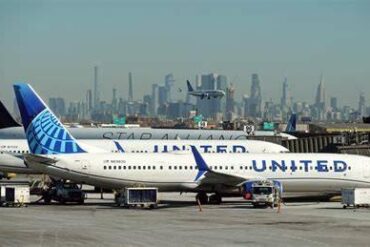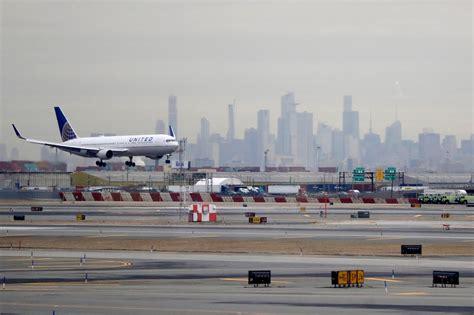
After a tumultuous spring marked by delays and cancellations, Newark Liberty International Airport (EWR) is showing strong signs of recovery. The airport’s most critical runway—responsible for a significant percentage of its daily air traffic—has reopened 13 days ahead of schedule, marking a major milestone for both travelers and airlines, particularly United Airlines, the airport’s largest operator.
United, facing backlash from a month of operational chaos, is seizing this moment to reclaim traveler trust. By highlighting cheaper airfares, improved reliability, and a revamped flight schedule, the airline is positioning itself—and Newark—as a renewed gateway for both domestic and international travel.

Runway Reopens Early: A Pivotal Turning Point for EWR
“The airport’s runway construction project is now complete,” declared Jon Gooda, United’s vice president of airport operations, in a letter to customers. This announcement, while succinct, carries substantial weight. With all runways now fully operational, Newark regains its capacity to process flights more efficiently, a critical step after months of schedule instability.
Throughout April and May, EWR faced a perfect storm of challenges. Construction bottlenecks, Federal Aviation Administration (FAA) technical glitches, and air traffic controller shortages led to thousands of canceled or severely delayed flights. The runway project was just one of several major disruptions that left travelers stranded and disillusioned.
Chaos Gives Way to Cautionary Optimism
Despite the hardships, there is a shared sentiment among industry leaders that Newark’s trajectory is improving. At a recent press conference, U.S. Secretary of Transportation Sean Duffy, flanked by United CEO Scott Kirby, acknowledged the widespread efforts to rectify issues.
“Everyone who touches the problem is giving their full-hearted effort,” Duffy said, applauding the cooperative resolve between government agencies and airlines.
Indeed, real-time metrics support this renewed optimism. According to FlightAware, only 18% of flights into Newark were delayed on a recent Monday—a dramatic improvement from the peak delay rates of 40-50% just weeks earlier.
Strategic Schedule Reductions: Less is More
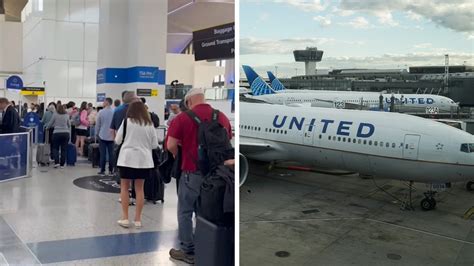
A cornerstone of this turnaround involves scaling back airport operations. The FAA has implemented a cap of 68 aircraft movements per hour—down from previous peaks of 77—to ease congestion and avoid overlapping arrival-departure windows.
United has responded by trimming its summer schedule. The airline now plans around 380 daily departures, a 7% reduction from its earlier blueprint. These adjustments are more than superficial—they’re a calculated effort to build reliability into Newark’s operational model.
“If you’re buying a ticket this summer, you can have confidence that that’s the schedule,” Kirby stated. He even predicted Newark would become the “most reliable airport” in the New York area during the upcoming travel months.
United’s Tactical Price Cuts: Wooing Flyers Back
In an effort to fill seats and counteract booking lags, United is slashing fares from Newark. According to data from Points Path, one-way domestic flights on United out of EWR are down 8.6% compared to last summer. International fares have dropped even more—by over 12%.
“That means more seats are available,” Kirby explained. He emphasized the airline’s need to recapture momentum and ensure aircraft are flying at optimal capacity—even if that means lowering prices to entice hesitant travelers.
A Sweet Spot for Travelers
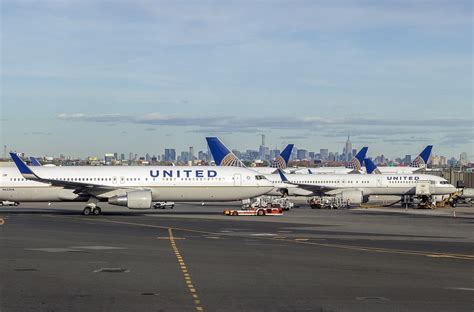
The combination of lower fares, improved schedules, and a more predictable airport environment presents a rare opportunity for travelers. For those flexible on timing and destination, Newark is emerging as a strategic departure point this summer.
Data also shows that airlines beyond United are cutting fares as well:
- Domestic one-way fares on other carriers are down 12%.
- International one-way fares from Newark on non-United carriers are down 10%.
However, it’s important to note that award rates, while slightly lower than last year, haven’t dropped as significantly as cash fares. Still, for cash-paying travelers, the deals at Newark are among the best in years.
Remaining Cautious With Connections
While the signs are encouraging, experts advise some caution. Travelers connecting through Newark to another city might still face hiccups, particularly in early summer as the airport recalibrates operations. Booking nonstop flights where possible remains a smart strategy.
Additionally, travelers are urged to use credit cards with built-in travel protections. For instance, the Platinum Card® from American Express offers robust reimbursement options for delays and disruptions—critical when flying through recently troubled airports like Newark.
Long-Term Hurdles Still Loom
Despite the encouraging news, systemic issues remain unresolved. The FAA’s Philadelphia air traffic control center, which governs Newark’s airspace, continues to operate under strain. Nearly 28% of its certified air traffic controllers remain on leave following a high-stress period marked by tech outages.
These workforce shortfalls cannot be fixed overnight. As Secretary Duffy emphasized, “You can’t snap your fingers and make it happen really quickly.” The broader nationwide shortage of air traffic controllers is a long-term challenge that will require years of investment and training.
Federal Support in the Pipeline
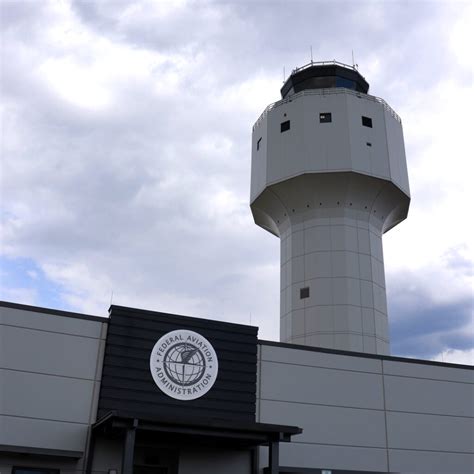
To address these structural issues, the Trump administration has proposed a multi-billion-dollar funding bill aimed at overhauling the U.S. air traffic control system. Included in this package are critical upgrades to FAA infrastructure, which has drawn praise from major U.S. airlines.
The bill passed the House of Representatives last month and now awaits Senate action. If approved, it could bring lasting improvements not just to Newark, but to airports across the country struggling with outdated systems and insufficient staffing.
A Rebalanced Hub for the Future
Newark’s recent turbulence underscores the fragility of airport operations in a tightly interconnected system. But the airport’s recovery—marked by an early runway reopening, aggressive fare reductions, and coordinated government-airline efforts—is a blueprint for crisis response done right.
For travelers, the message is clear: Newark is back on the map, and for now, it might just be the smartest place to start your summer journey.
Whether you’re heading to Europe, California, or anywhere in between, the current window offers rare value and reduced operational risk. Just keep an eye on the skies—and maybe pack a little extra patience, just in case.