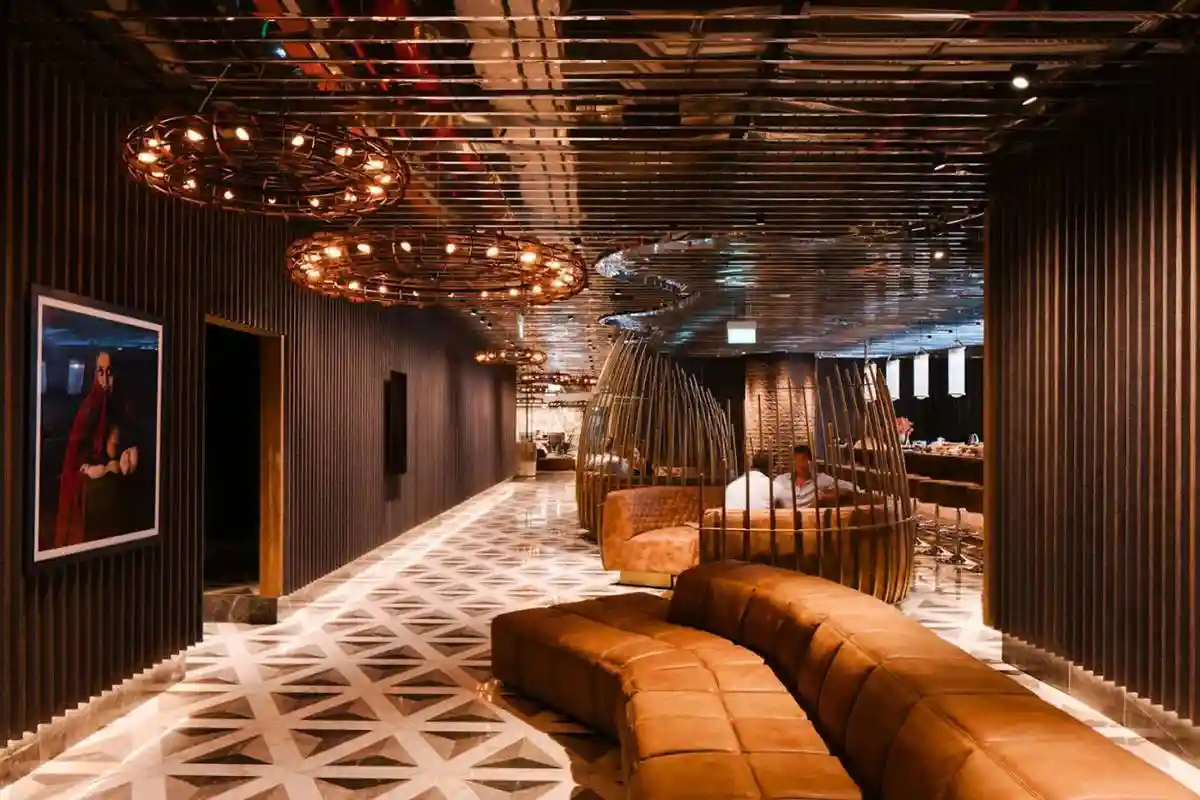
In a surprising turn of events, Elite Singapore Club 1880 has officially closed its doors, sending shockwaves through the affluent social circles of Singapore. Nestled in the upscale Robertson Quay district, this prestigious private club was once celebrated as a vibrant sanctuary for creatives, entrepreneurs, and visionaries. With its plush lounges, sleek co-working spaces, and luxury spa, 1880 epitomized exclusivity and sophistication. However, behind its glamorous façade, warning signs were flashing long before the final curtain fell.
The closure of 1880 is emblematic of a larger trend affecting Singapore’s food and beverage (F&B) sector, which has been grappling with a significant decline in patronage and escalating operational costs. As the city-state’s economy shifts, it appears that even the most exclusive establishments are not immune to the economic pressures that have led to a surge in closures across the board.
In the years leading up to its shutdown, member visits at 1880 had dwindled considerably, and spending patterns revealed a troubling decline. The atmosphere that once buzzed with activity grew quieter, as fewer members frequented the club, leading to unsustainable financial realities. The Hong Kong outpost of 1880 had already shut down just months earlier, on May 30, 2025, signaling a distressing trend for what was once viewed as a flagship brand in the lifestyle club arena.
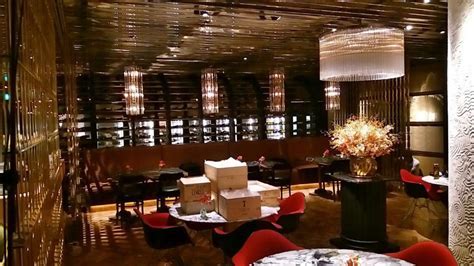
Opened in late 2017, 1880 was more than just a club; it represented a lifestyle choice for many of its members. By day, it offered chic workspaces complete with artisanal coffee, attracting professionals looking for a stylish environment to conduct business. As the sun set, the venue transformed into a lively social hub, featuring gourmet dining experiences and a luxurious bar that catered to an elite clientele. However, as the economic landscape shifted, so did the priorities of its members. The vibrancy that once characterized the club began to fade as patrons opted for more intimate and cost-effective social experiences. The stark reality is that the economic downturn has resulted in plummeting attendance and lower spending, forcing the club to reassess its viability.
This troubling development is not an isolated incident. Across Singapore, a wave of closures has been observed, impacting not just high-end establishments but also beloved local gems. For example, the popular New Scissor-Cut Curry Rice in Geylang recently shuttered after serving the community for three decades. This closure highlights a broader crisis within the F&B industry, marked by skyrocketing rents and increasing operational costs that are pushing many businesses to the brink.
Official figures provide alarming insights into this trend: in 2022, around 230 F&B establishments closed each month, a figure that remained consistent through 2023. However, projections for 2024 indicated a rise to 254 closures per month, culminating in a staggering 307 closures per month expected in 2025. These statistics paint a grim picture of a once-thriving sector now struggling for survival amid economic adversity.
One of the key drivers behind these closures is the rising cost of living in Singapore. Known for its luxurious lifestyle, the city has recently been ranked as the second most expensive city globally, trailing only behind Hong Kong. With inflation rates soaring and labor costs escalating, even the wealthiest individuals are feeling the pinch. The hospitality and F&B sectors, traditionally viewed as resilient, are now vulnerable to these economic pressures. Not even a well-established brand like 1880, known for its high-profile events and elite clientele, could withstand the financial storm.
Moreover, there has been a noticeable shift in consumer behavior post-pandemic. Many individuals are now gravitating towards more intimate and budget-friendly social experiences. The allure of exclusive, members-only clubs has diminished as consumers increasingly seek authenticity, value, and a sense of community over opulence. In today’s market, the mere notion of exclusivity is no longer sufficient to justify high membership fees and substantial operational costs.
As the closure of 1880 reverberates through the lifestyle club scene in Asia, it raises critical questions about the future of such establishments. Are they still relevant in a world where consumer priorities are evolving? Can they adapt to the changing landscape of social engagement? Some clubs may pivot towards hybrid models that incorporate wellness, co-working spaces, and sustainability, while others may fade into obscurity. The era of relying solely on brand prestige is coming to an end, and adaptability will be crucial for survival.
The closure of 1880 serves as a wake-up call for Singapore’s urban luxury scene. While it may seem that the landscape is shrinking, it is actually undergoing a significant transformation. Beloved institutions are falling away, but new opportunities are emerging for those willing to innovate. From rooftop bars to co-working havens, the ability to provide genuine value, foster digital engagement, and maintain flexibility will determine which establishments thrive in this new reality.
As the Lion City faces tightening economic conditions, only the most agile players in the hospitality and F&B sectors will be able to navigate these challenging waters successfully. The need for a reevaluation of economic models, target audiences, and value propositions has never been more pressing. The message is clear: the future of luxury lifestyle clubs depends not only on their ability to offer exclusivity but also on their capacity to resonate with the evolving needs and desires of their members.