JetBlue’s TrueBlue loyalty program has quietly taken a decisive turn that could ripple far beyond its own customer base. By introducing carrier-imposed surcharges on United Airlines award redemptions, the airline has signaled a shift that challenges long-standing expectations around how partner awards should be priced. While such fees are not new in aviation, their arrival in this specific context raises questions about fairness, transparency, and the future of airline partnerships.
A Sudden Cost Spike for International Award Travel
The most immediate impact is painfully clear: redeeming points just got significantly more expensive—at least when flying internationally on United through JetBlue. Previously, travelers booking partner awards enjoyed minimal out-of-pocket costs, often limited to government taxes. That simplicity has now been replaced with hefty surcharges reaching $200 to $260 one-way.
Consider a typical long-haul redemption. A one-way economy flight from Newark (EWR) to London (LHR) still costs around 40,000 TrueBlue points, but the cash component has surged from $5.60 to $265.60. Similarly, a flight from San Francisco (SFO) to Hong Kong (HKG) now carries over $200 in added fees, despite requiring the same 55,000 points.
This is not a marginal adjustment—it is a structural change that alters the perceived value of points overnight. Travelers accustomed to low-fee redemptions are now forced to rethink whether these awards are worth pursuing at all.
Why These Surcharges Matter More Than They Seem
At first glance, one might assume these fees simply reflect rising operational costs, particularly amid fluctuating fuel prices. But the mechanics behind carrier-imposed surcharges on award tickets tell a more nuanced story. These fees are rarely passed directly to the operating airline—in this case, United. Instead, they function as part of a broader inter-airline accounting framework, influencing how partners reimburse each other for award seats.
That distinction matters. It suggests this move is less about covering costs and more about strategic pricing control. By introducing surcharges, JetBlue effectively reduces the attractiveness of redeeming points on United flights, even if the underlying point cost remains unchanged.
This creates a subtle but powerful shift in consumer behavior. Travelers may begin to favor JetBlue-operated flights or reconsider how they accumulate and redeem points altogether.
The United Factor: Strategic Control Over Loyalty Economics
Zooming out, this development aligns with a broader pattern in United Airlines’ evolving loyalty strategy. In recent years, United has taken increasingly assertive steps to tighten control over its MileagePlus ecosystem, often limiting how partner airlines interact with its inventory and pricing.
From restricting access to premium cabins like Polaris business class to influencing how many miles partners must charge, United has demonstrated a clear objective: drive customer engagement toward its own program. The introduction of surcharges through JetBlue may be another extension of that philosophy.
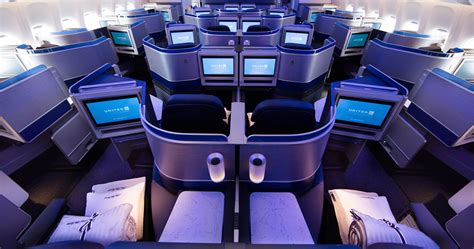
If partner programs become less appealing due to added costs, travelers are more likely to book directly through MileagePlus, where pricing structures—while dynamic—may appear comparatively straightforward. This not only strengthens United’s direct relationship with customers but also enhances the profitability of its loyalty program, a critical revenue stream in modern aviation.
A Precedent That Could Spread Across Alliances
What makes this change particularly significant is not just its immediate impact, but its potential to set a precedent. Airline partnerships have long relied on a delicate balance of reciprocity and shared value. Introducing surcharges into that equation risks triggering a domino effect, where other carriers adopt similar practices.
If more airlines begin adding fees to partner awards, the industry could see a gradual erosion of one of the most appealing aspects of loyalty programs: predictable, low-cost redemptions. Over time, this could lead to a landscape where points are still valuable—but far less intuitive to use.
The timing also raises eyebrows. The JetBlue–United “Blue Sky” partnership is still relatively new, with reciprocal redemptions only introduced in late 2025. Implementing such a significant change so soon suggests either rapid recalibration behind the scenes or pre-existing tensions in how these awards are valued.
Reassessing the Value of TrueBlue Points
For frequent flyers, the takeaway is immediate and practical. While TrueBlue points remain useful, their value proposition has shifted—especially for international partner redemptions. What was once a straightforward equation of points plus minimal fees now requires careful cost-benefit analysis.
Domestic flights remain unaffected, preserving some of the program’s appeal. However, for long-haul travel, these new surcharges introduce friction that may push savvy travelers toward alternative programs or booking strategies.
A Quiet Change With Loud Implications
JetBlue’s decision to add surcharges on United awards may appear incremental, but its implications are anything but. It reflects a broader transformation in how airlines monetize loyalty, manage partnerships, and influence traveler behavior.
For now, the change stands as a cautionary signal: even newly launched partnerships are not immune to rapid, value-altering adjustments. And if this model gains traction, the future of award travel could look very different—more complex, more expensive, and far less predictable.