The European Union Aviation Safety Agency (EASA) has issued a stark warning that is reverberating across the aviation industry: hundreds of stolen aircraft components may be circulating within the global supply chain, posing a serious risk to flight safety. The alert follows the discovery that a shipment of parts intended for destruction was illegally diverted, allowing potentially compromised components to re-enter the market under unauthorized conditions.
The incident underscores a growing vulnerability in aviation logistics, where even tightly regulated processes such as parts disposal can be exploited. These components were not merely misplaced—they were deliberately intercepted through impersonation, raising questions about how sophisticated and organized such operations have become. For airlines, maintenance providers, and leasing companies, the implications are immediate and deeply concerning.
Shipment Diversion Exposes Critical Security Gap
According to EASA, the incident traces back to late January when a shipment of aircraft parts was rerouted under false pretenses. A third party reportedly impersonated a contracted mutilation provider, successfully redirecting 12 containers filled with components that were supposed to be rendered unusable. Instead, these parts vanished into an unregulated channel, only coming to light after Spanish authorities flagged the irregularity in mid-March.
The concept of “mutilation” in aviation is not symbolic—it is a mandated safety procedure designed to ensure that retired or life-expired parts cannot be reused under any circumstances. By bypassing this process, the perpetrators effectively reintroduced uncertified and potentially unsafe components into circulation. The risk is not theoretical; it is immediate and systemic.
Critical and Life-Limited Components Among Stolen Items
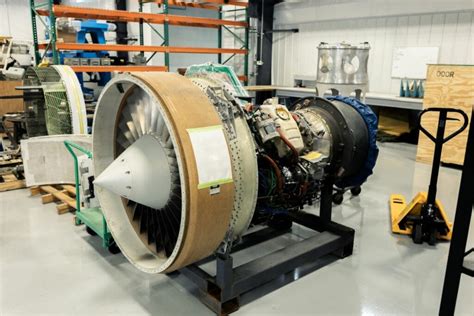
What makes this case particularly alarming is the classification of the stolen parts. Of the 625 identified components, several were designated as “Critical” or “Life-Limited.” These are not interchangeable spare parts; they are elements with strict usage thresholds, often tied directly to flight hours or cycles. Once these limits are exceeded, the parts must be permanently retired.
The possibility that such components could be resold without proper documentation introduces a dangerous ambiguity into maintenance operations. Even a single compromised part installed in an aircraft engine could cascade into mechanical failure under stress conditions. In a system where safety depends on absolute traceability, the introduction of unknown variables is unacceptable.
EASA’s response has been to publish a detailed list of the stolen items, including part numbers, serial numbers, and component descriptions, enabling industry stakeholders to cross-check inventories and procurement channels. This level of transparency is intended to act as a defensive barrier, preventing unsuspecting buyers from acquiring illicit goods.
Four Major Engine Families Implicated
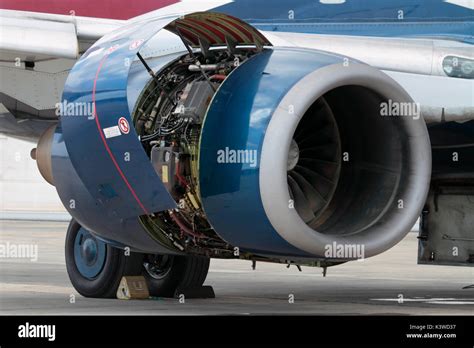
The scope of the theft spans multiple engine platforms, amplifying its potential impact across both narrowbody and legacy aircraft fleets. Nearly half of the stolen components—282 in total—belong to the CFM International CFM56 engine family, one of the most widely used turbofan engines in commercial aviation. These engines power aircraft such as the Airbus A320ceo and Boeing 737NG, making them ubiquitous in short- and medium-haul operations.
In addition, 159 parts were identified from the Pratt & Whitney PW1100G series, also known as the Geared Turbofan. This engine powers the Airbus A320neo family, a cornerstone of modern fuel-efficient fleets. The remaining components include 104 parts from the Rolls-Royce RB211-535E4, commonly used on Boeing 757 aircraft, and 80 parts from the IAE V2500 engine, another staple of the A320 platform.
The diversity of affected engine types suggests that the stolen shipment was not random but carefully targeted. By focusing on high-demand components across widely used platforms, the perpetrators increased the likelihood of successfully reintroducing these parts into active service.
A Persistent Threat Within the Aviation Ecosystem
While this case has captured headlines, it is far from isolated. EASA has been tracking unapproved and suspect aircraft parts for years, maintaining a database that continues to grow at an unsettling pace. By late 2024, the agency’s records included more than 7,700 such components, reflecting a persistent and evolving challenge within the aviation supply chain.
Earlier incidents have ranged from misplaced identification plates to fully counterfeit engine components, each highlighting a different point of failure in the system. In one notable case, falsified parts associated with the CFM56 engine were distributed on a massive scale, demonstrating how deeply such networks can penetrate legitimate markets.
The recurring nature of these incidents reveals a structural issue rather than isolated lapses. As global aviation becomes more interconnected, the supply chain expands—and with it, the opportunities for exploitation.
Industry-Wide Vigilance Becomes Essential
EASA has made it clear that regulatory oversight alone cannot eliminate the threat. The responsibility now extends to airlines, maintenance organizations, lessors, and parts traders, all of whom must exercise heightened due diligence when sourcing components. Verification of serial numbers, traceability documentation, and supplier credibility is no longer routine—it is critical.
At the same time, law enforcement agencies are continuing their investigation into the stolen shipment, though details remain limited. What is evident, however, is that the perpetrators demonstrated a high level of operational knowledge, suggesting insider familiarity with aviation logistics and compliance procedures.
The broader lesson is difficult to ignore: even the most regulated industries are not immune to sophisticated fraud. In aviation, where margins for error are effectively zero, the consequences of such breaches extend far beyond financial loss.
As the industry responds to EASA’s warning, one reality stands out with clarity—trust in the supply chain must be constantly earned, verified, and defended.