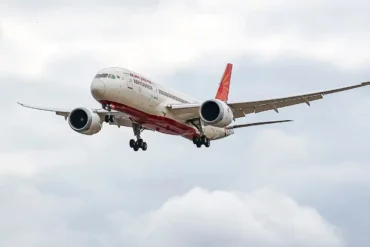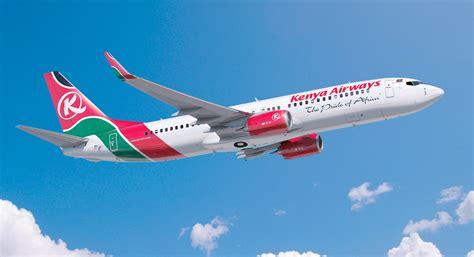
Kenya Airways, the flag carrier of Kenya and one of Africa’s most prominent international airlines, is undergoing a substantial operational and financial blow due to the prolonged grounding of two Boeing 787-8 Dreamliner aircraft. These aircraft—critical to the airline’s long-haul operations—have remained non-operational for an extended period due to engine maintenance issues, dramatically reducing the airline’s capacity and profitability.
The grounding has affected key international routes including London, New York, Johannesburg, and Lagos, compromising approximately 20% of the airline’s available seat kilometers (ASKs). This significant dent in capacity comes at a time when Kenya Airways was beginning to stabilize its operations post-COVID-19, under the ambitious Project Kifaru recovery initiative.
Prolonged Engine Maintenance and Its Financial Fallout
The overhaul of a Boeing 787-8 engine typically requires 70 to 90 days, but Kenya Airways has experienced downtimes extending up to 120 days, driven by global delays in spare part availability, labor shortages, and overwhelming demand in maintenance facilities. The airline’s Managing Director, Allan Kilavuka, expressed frustration over the delays, citing the serious impact not only on operations but also on Kenya Airways’ annual revenue outlook for 2025.
The long-haul routes affected by the Boeing 787-8’s absence are traditionally high-yield markets that contribute substantially to the airline’s profitability. With these aircraft sidelined, Kenya Airways faces higher operating costs, disrupted flight schedules, and reduced ticket sales, especially on routes where there are few viable substitutes.
The Wider Crisis in Global Aviation
The case of Kenya Airways is emblematic of a wider aviation industry crisis. As of mid-2025, over 1,100 aircraft under 10 years of age are grounded globally, a stark rise from pre-pandemic norms. This surge is primarily due to supply chain disruptions—a result of geopolitical instability such as the conflicts in Eastern Europe and the Middle East. These conflicts have interrupted the flow of essential aircraft components, including semiconductors, engine castings, and electronic assemblies, leading to widespread delays in maintenance operations.
For African carriers like Kenya Airways, the problem is exacerbated by an unbalanced global procurement market. Wealthier airlines in North America and Europe are able to outbid African carriers for scarce parts and MRO (Maintenance, Repair and Overhaul) slots, further prolonging downtime for airlines operating on thinner margins.

Operational Strain and Network Adjustments
The loss of two widebody aircraft has forced Kenya Airways to restructure its network. Some long-haul services have been downgraded in frequency, while others face temporary suspension. The airline is attempting to maximize the utility of its remaining fleet while exploring alternative strategies such as:
- Leasing spare engines from global lessors
- Negotiating faster turnaround times with manufacturers
- Reallocating aircraft to priority markets to maintain connectivity and revenue
However, these solutions are merely stopgaps. The reality remains that without a reliable and predictable maintenance pipeline, the airline’s capacity to serve strategic markets is fundamentally compromised.
Project Kifaru and Kenya Airways’ Long-Term Strategy
Initially launched as a recovery and optimization blueprint, Project Kifaru was designed to steer Kenya Airways back to profitability through:
- Streamlining operations
- Growing cargo revenues
- Developing digital and ancillary services
- Expanding into underserved African routes
The airline had shown promising signs of recovery prior to the Dreamliner grounding. Its cargo business boomed during and after the pandemic, compensating in part for weak passenger traffic. Digital channels for bookings and customer engagement have also seen sharp improvements.
Yet, the current crisis is testing the resilience of this strategy. The Dreamliner grounding threatens to undo gains made over the past two years. Kenya Airways must now reconfigure its long-term plan to include supply chain risk mitigation and greater flexibility in fleet planning, particularly around asset leasing and maintenance partnerships.
Cargo and Regional Operations as Revenue Buffers
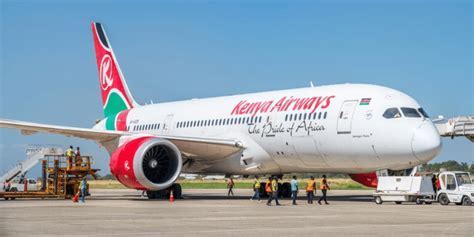
As passenger operations remain constrained, Kenya Airways is leaning heavily on its cargo unit, which has experienced heightened demand amid the global e-commerce boom and resurgent trade across Africa and Asia. The airline is also doubling down on its regional operations, which have been less affected by the Dreamliner issues. With a more nimble narrowbody fleet, Kenya Airways continues to serve key intra-African destinations and capitalize on rising travel demand within the continent.
The growing middle class in Africa and renewed business interest in East Africa are boosting intra-regional air travel. Kenya Airways hopes to harness this momentum by:
- Enhancing frequency and connectivity in the East and Central African corridors
- Launching regional partnerships to boost code-share traffic
- Strengthening digital platforms for seamless interline bookings
However, while these strategies offer short-term relief, they cannot replace the high-yield, long-haul services that form the backbone of the airline’s international strategy.
A Looming Crisis for African Aviation
Kenya Airways’ grounding is not an isolated incident—it is a bellwether for the African aviation sector, which remains vulnerable to external shocks. From spare parts shortages to limited MRO infrastructure and talent drain, Africa’s airlines are navigating a hostile operating environment.
Industry experts warn that without regional cooperation, government support, and investment in local aerospace ecosystems, Africa’s aviation growth trajectory could stall. The African Union’s Single African Air Transport Market (SAATM) initiative, though ambitious, needs faster implementation to provide African carriers with a unified and liberalized airspace.
Furthermore, stakeholders are advocating for the development of local MRO facilities, engine overhaul capabilities, and pilot and technician training programs to build long-term independence.
Recovery Depends on Global Stabilization and Local Innovation
Kenya Airways is acutely aware that its path to recovery hinges on both external normalization and internal innovation. Key to this will be:
- Stabilization of global supply chains, particularly in aviation manufacturing hubs
- Stronger ties with global OEMs (Original Equipment Manufacturers) to secure priority support
- Continued investment in fleet optimization and fuel efficiency
- Agile adaptation of route strategy based on evolving aircraft availability
The airline is also considering investments in predictive maintenance technology, which could preempt future issues and allow for more efficient planning. Additionally, Kenya Airways may explore fleet diversification—bringing in more flexible, smaller widebody aircraft or ultra-long-range narrowbodies to reduce reliance on any single fleet type.
Kenya Airways: An African Giant in Turbulent Skies
Despite the crisis, Kenya Airways remains a cornerstone of African aviation. Its legacy, partnerships, and strategic location in Nairobi as a pan-African hub give it a unique advantage. But for the airline to maintain its stature, it must emerge from this grounding stronger, more resilient, and more agile.
The next 6 to 12 months will be pivotal. If the supply chain bottlenecks persist, the revenue loss from the Dreamliner grounding could widen, threatening the progress of Project Kifaru. But if Kenya Airways can successfully navigate these choppy skies—leveraging its cargo growth, regional strength, and strategic reforms—it may yet transform this crisis into a stepping stone toward long-term sustainability.