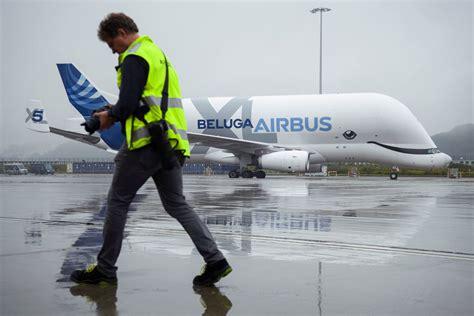
In a development that has caught the attention of the global aerospace industry, Airbus SE reported zero aircraft orders in May 2025, marking the first such occurrence in nearly three years. This rare halt in new deals underscores ongoing supply chain constraints, operational challenges, and shifting market dynamics despite otherwise strong financial indicators earlier in the year.
May’s dry spell stands in stark contrast to the European planemaker’s traditionally robust monthly performance. The last time Airbus experienced a month with no recorded sales was August 2022. The implications of this development go beyond a simple numerical anomaly, potentially hinting at underlying frictions in production, delivery schedules, and market confidence.
Airbus’s May Performance: Deliveries Strong, Orders Absent
In May 2025, Airbus successfully delivered 51 commercial aircraft to 32 customers, bringing its year-to-date delivery total to 243 aircraft across 61 clients. However, the absence of any gross or net orders in the same period painted a starkly different picture on the sales front. After cancellations, the cumulative net orders for 2025 stand at 215 aircraft out of 291 gross, highlighting a growing disconnect between booked and retained deals.
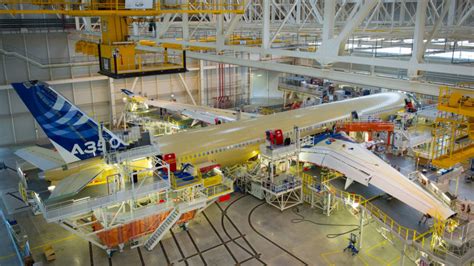
While a single month without new orders may not seem dire in isolation, the stagnation arrives amidst intensifying production ramp-up challenges. Airbus, which has been pushing to increase manufacturing output to meet surging post-pandemic demand, now finds itself grappling with persistent bottlenecks in parts and labor availability.
Supply Chain Headwinds and Bottlenecks Persist
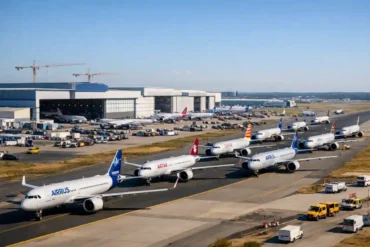
The industry-wide supply chain crisis continues to affect aircraft manufacturers globally, but Airbus’s situation is further complicated by its ambitious plans to scale production. CEO Guillaume Faury recently acknowledged that the company’s delivery profile for the year would be backloaded, suggesting that the lion’s share of outputs will occur in the second half of 2025. This reflects ongoing difficulty in securing vital components across multiple aircraft families.
“We are ramping up production in line with our plan but the delivery profile will be backloaded, reflecting the specific supply chain challenges we are facing this year,” Faury said during a Q1 briefing.
These challenges are compounded by labor shortages, increased tariff scrutiny, and political uncertainties across the EU and key supplier nations. The absence of orders in May, while not yet a trend, may reflect customers delaying or hesitating on purchases due to extended lead times or pricing concerns linked to production instability.
Financial Indicators Remain Positive
Despite the setback in May’s order book, Airbus’s broader financial performance remains robust. In Q1 2025, the aerospace giant reported 280 gross aircraft orders, a significant increase from 170 in Q1 2024. After accounting for cancellations, net orders totaled 204 aircraft by March’s end. Its commercial aircraft backlog ballooned to 8,726 units, underscoring the long-term demand resilience.
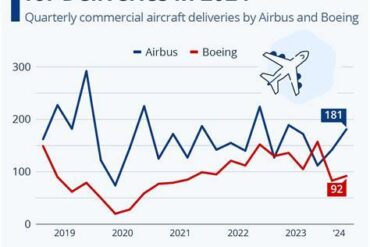
Group revenue rose by 6% year-over-year, reaching €13.5 billion, driven primarily by favorable exchange rates and solid defence and helicopter business segments. Airbus delivered 136 commercial aircraft in Q1 2025, down slightly from 142 in the same period of 2024.
Commercial aircraft revenues rose 4% to €9.5 billion, while Airbus Helicopters posted a 10% increase to €1.6 billion, supported by strong programme execution. Airbus’s Defence and Space division generated €2.7 billion, up 11%, bolstered by rising European defence budgets and procurement cycles.
What the May Freeze Could Mean for the Market
While no official comment was issued by Airbus regarding the lack of orders in May, market analysts are watching closely. The halt could indicate temporary delays in contract signings or deferrals by airlines reassessing fleet expansion timelines amid macroeconomic pressures.
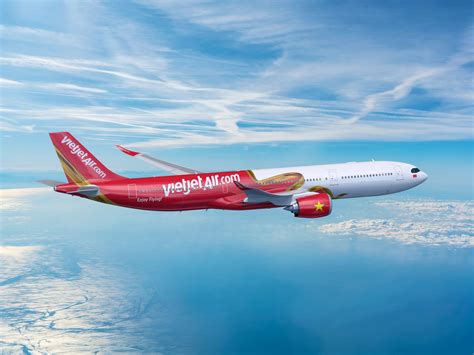
Yet not all deals are frozen. In late May, Vietjet, Vietnam’s leading private airline, announced a fresh commitment to 20 A330-900 widebody aircraft from Airbus. However, these figures were not included in the May reporting cycle, likely due to processing or contractual finalization delays.
The timing raises important questions: Is the May pause a statistical blip, or does it signal the start of a cooling period in Airbus’s otherwise hot order environment? Much depends on the June order figures, which could confirm whether the market is hesitating due to confidence, supply, or pricing concerns.
Ramp-Up Plans vs. Market Reality
One of the most pressing concerns facing Airbus is how effectively it can scale up production to meet demand and sustain its position against Boeing, Embraer, and newer entrants in regional jet markets. Airbus has committed to aggressively increasing production of its A320neo family, with targets of reaching 75 aircraft per month by 2026. Yet such growth is contingent on a synchronized supplier network — something currently under stress.
Many suppliers, especially Tier-2 and Tier-3, remain affected by pandemic-era layoffs, raw material shortages, and rising logistics costs. Airbus’s integrated global supply model, which spans North America, Europe, and Asia, adds further complexity.
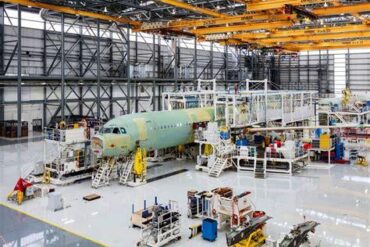
Insiders have also noted that higher-than-expected defect rates in some components have caused re-inspections and delivery delays, adding strain to final assembly lines in Toulouse and Hamburg. These delays may not only hurt Airbus’s operational rhythm but also shake investor confidence if not swiftly addressed.
Helicopters and Defence Businesses Provide Stability
Amid commercial aviation turbulence, Airbus Helicopters and Airbus Defence and Space offer some financial and strategic cushioning. The 100 net helicopter orders recorded in Q1 2025 marked a 58% increase from the previous year. This growth is supported by strong civil demand and steady military procurement in Europe and Asia.
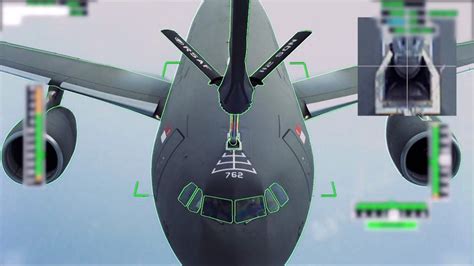
Meanwhile, the Defence and Space arm’s €2.6 billion in orders was aided by heightened geopolitical tensions and NATO-aligned procurement. New contracts for satellite systems, air tankers, and ISR platforms (Intelligence, Surveillance and Reconnaissance) helped push revenues upward. Airbus’s broad defence portfolio continues to attract buyers seeking to modernize their military infrastructure, particularly in Eastern Europe.
June Numbers Now in Focus
All eyes are now on Airbus’s June performance, which could either reassure the market that May was an outlier, or confirm concerns of emerging turbulence. Given the global airline industry’s uneven recovery trajectory and rising borrowing costs, airlines may adopt a more cautious approach in placing large orders — especially for widebody aircraft that require significant upfront capital.
If Airbus reports strong orders in June, especially if it finalizes the Vietjet widebody deal and others currently in the pipeline, confidence may return swiftly. But a second consecutive month with weak or no orders could prompt deeper questions about order volatility and production alignment.
Conclusion: A Strategic Inflection Point for Airbus
Airbus’s first order-free month since 2022 serves as a potential inflection point — not necessarily a warning sign of collapse, but a reflection of the complex interplay between demand, production, and supply chain resilience. While the company’s financials remain strong, and its backlog remains historically high, real-time dynamics suggest it is operating at a critical balancing point.
To maintain leadership, Airbus must double down on supplier coordination, logistics transparency, and labour stability while continuing to innovate and diversify across its product lines. The next few months will reveal whether May 2025 was merely a momentary pause — or the first sign of deeper structural recalibration within one of the world’s most watched aerospace giants.