When a widebody aircraft completes its final commercial flight, the journey is far from over. The passengers may leave the cabin for the last time, the crew may close the aircraft door, and the airline may remove the aircraft from its active fleet, but the aircraft itself still holds enormous value. A modern widebody is not simply an aging machine; it is a complex collection of advanced systems, certified components, valuable materials, and engineering assets.
The retirement process begins when the aircraft stops generating revenue as a passenger carrier. From that moment, owners, airlines, and leasing companies must decide how to recover the remaining financial value of the aircraft. Some widebodies return to service after storage, some are converted into freighters, some provide spare parts for active fleets, and others are carefully dismantled for recycling.
The fate of a retired aircraft is determined less by emotion and more by economics. Factors such as aircraft age, maintenance condition, market demand, fuel efficiency, availability of replacement parts, and future operating costs all influence the final decision. A Boeing 747, Airbus A340, Boeing 777, or Airbus A380 may appear finished after its last passenger flight, but its second life can be surprisingly valuable.
The Final Flight Is Often Followed By One More Journey
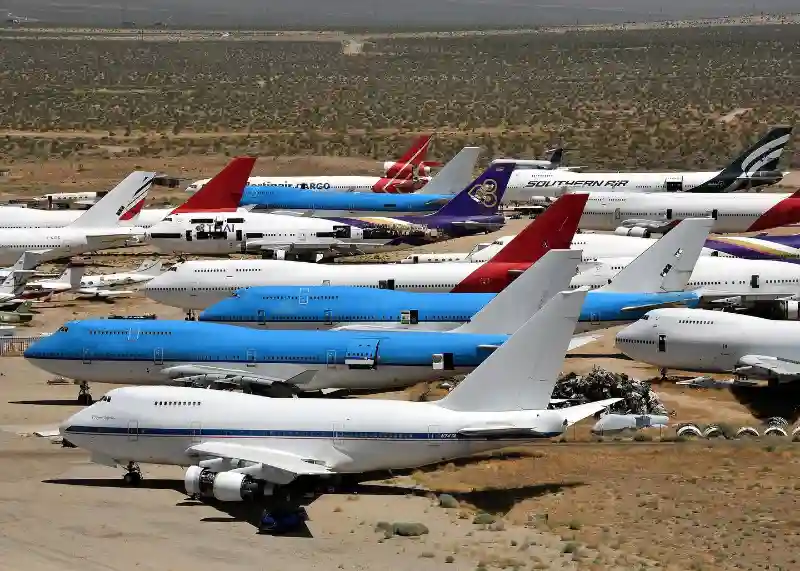
For many retired widebody aircraft, the final commercial service is not actually their last time in the sky. Instead, the aircraft usually performs one additional flight known as a ferry flight. Unlike a normal airline operation, this flight carries only pilots and essential personnel rather than passengers.
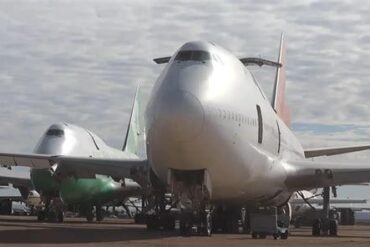
The destination is often a specialized aircraft storage facility, commonly called a boneyard. These locations are carefully selected because environmental conditions help preserve aircraft structures. The dry desert climates of the southwestern United States are particularly suitable because low humidity and limited rainfall reduce corrosion.
Several major aircraft storage locations have become famous within the aviation industry. Facilities such as Mojave Air and Space Port in California, Southern California Logistics Airport in Victorville, and storage sites across Arizona and New Mexico have handled thousands of retired commercial aircraft over the decades.
Australia’s Alice Springs aircraft storage facility has also played an important role, particularly during periods when airlines needed to temporarily park large fleets. During the COVID-19 pandemic, these storage locations became especially important as airlines grounded hundreds of widebody aircraft due to global travel restrictions.
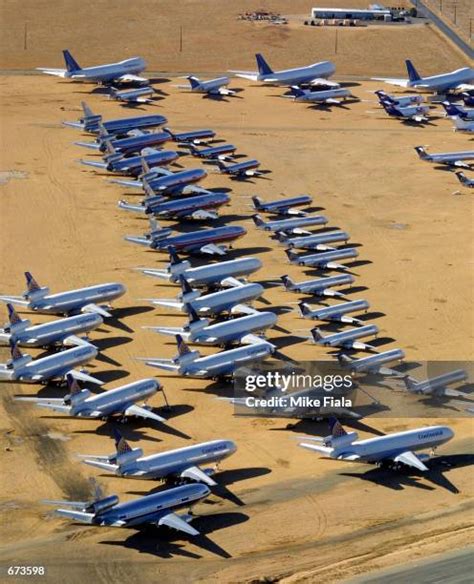
Once a widebody arrives at storage, technicians do not simply park it and walk away. The aircraft enters a detailed inspection process. Maintenance teams record its condition, document remaining flight hours and cycles, and determine whether it should be preserved for future use, dismantled, or prepared for another operational role.
Even aircraft sitting on the ground represent significant financial assets. A retired widebody can still contain engines worth millions of dollars, valuable avionics equipment, and thousands of reusable components. Every decision is made with one goal: extracting the maximum remaining value from the aircraft.
Why Some Widebody Aircraft Enter Long-Term Storage
Not every retired aircraft is immediately destined for dismantling. Some enter a process known as deep storage, where the aircraft is preserved with the possibility of returning to commercial operations in the future.
Preparing a widebody for long-term storage requires extensive maintenance work. Engineers must protect the aircraft from environmental damage while ensuring that critical systems remain recoverable. The process involves far more than covering the engines and leaving the aircraft parked.
Technicians seal openings to prevent insects and wildlife from entering sensitive areas. Engine covers protect internal components from dust and moisture. Windows may receive protective coverings to reduce damage from prolonged sunlight exposure. Fuel systems, hydraulic systems, and electrical components are treated according to manufacturer procedures.
Aircraft tires are regularly inspected, and maintenance crews may move the aircraft periodically to prevent flat spots from developing. Some stored aircraft undergo engine preservation procedures, while others receive scheduled inspections to monitor corrosion and component condition.
Keeping a widebody in storage is expensive. Airlines and leasing companies must pay for parking, inspections, maintenance work, and preservation activities. Therefore, storage decisions depend on whether the aircraft has a realistic chance of becoming profitable again.
During periods of aircraft shortages, stored widebodies can suddenly become valuable. For example, some airlines returned previously parked Airbus A380 aircraft to service when international travel recovered after the pandemic. However, when operating costs remain high and passenger demand is weak, storage may eventually become financially impossible.
A Second Career As A Cargo Aircraft
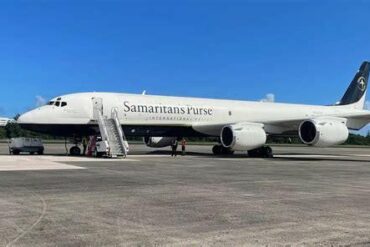
One of the most successful ways for retired passenger aircraft to continue flying is through passenger-to-freighter conversion. Instead of carrying travelers, these aircraft begin a new career transporting cargo around the world.
Widebody aircraft are attractive conversion candidates because they offer large internal volume, long range capability, and strong structural designs. A passenger aircraft that is no longer competitive in airline service may still be highly valuable for global logistics operations.
The conversion process is extensive. Engineers remove the passenger seats, interior panels, and cabin equipment. The aircraft floor is reinforced to support heavy cargo loads, while a large cargo door is installed into the fuselage to allow freight containers and oversized shipments to be loaded efficiently.
Additional modifications are made to meet cargo certification requirements. Systems are inspected, structural changes are tested, and the aircraft must receive regulatory approval before entering service as a freighter.
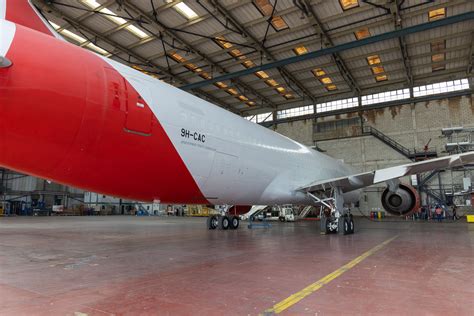
The Boeing 767 has become one of the most successful examples of this transformation. Many aircraft originally delivered for passenger operations have continued flying for decades after conversion, supporting express cargo networks and global supply chains.
The decision to convert an aircraft depends on several economic calculations. The airframe must have enough remaining structural life, and the expected revenue from cargo operations must justify the conversion cost. When those conditions are favorable, a widebody can gain another decade or more of productive service.
Instead of ending its career at retirement, an aircraft can experience a complete transformation, flying different routes, serving different customers, and performing a completely different mission.
Turning Retired Aircraft Into A Source Of Spare Parts
Eventually, many widebody aircraft reach a point where returning them to service is no longer financially realistic. When maintenance costs exceed the aircraft’s remaining market value, dismantling becomes the logical next step.
However, aircraft dismantling is not simply a process of cutting apart an old airplane. A retired widebody becomes a valuable source of certified aviation components.
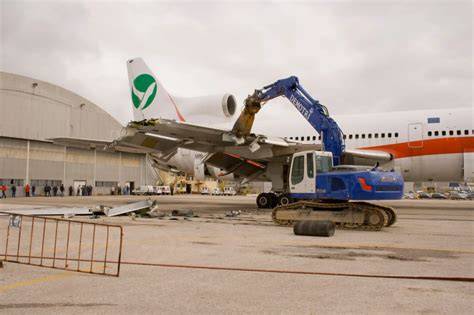
Before major disassembly begins, technicians safely remove fuel, hydraulic fluids, lubricants, and other materials requiring specialized handling. Environmental protection and safety procedures are carefully followed throughout the process.
The highest-value components are usually removed first. Aircraft engines are among the most valuable assets because they can often be inspected, repaired, and returned to service on other aircraft.
Other important components include:
- Landing gear assemblies
- Auxiliary power units
- Avionics systems
- Flight control components
- Cockpit equipment
- Aircraft doors
- Emergency systems
- Windscreens and specialized structures
These parts do not immediately return to aircraft after removal. Most undergo inspection, testing, repair, and certification before entering the aviation aftermarket.
For airlines operating older aircraft, used serviceable material can be extremely valuable. New replacement parts may require long manufacturing lead times, especially when supply chains are under pressure. Recovered components provide a faster and often more economical solution.
A single widebody aircraft can supply millions of dollars worth of reusable parts. In this way, an aircraft that no longer flies continues supporting the aviation industry by helping maintain other aircraft around the world.
Recycling The Remaining Aircraft Structure
After valuable components have been removed, the remaining airframe enters the recycling stage. Although the aircraft may no longer have operational value, its structure still contains large quantities of recyclable materials.
Modern commercial aircraft are built primarily from lightweight metals, especially aluminum. However, they also contain titanium, steel, copper, composites, and other valuable materials.
Specialized dismantling companies separate major sections of the aircraft, including the fuselage, wings, tail assembly, and landing gear structures. These materials are then processed and sorted for recycling.
The aircraft recycling industry has become increasingly advanced as environmental standards and material values have grown. Rather than sending large portions of retired aircraft to landfill, companies aim to recover as much material as possible.
Industry estimates often suggest that approximately 85% to 90% of a commercial aircraft can be reused or recycled. This makes retired aircraft among the most recyclable forms of complex transportation equipment.
The metals recovered from aircraft may eventually become part of completely different products. Aluminum from an old widebody may return to manufacturing industries far away from aviation, allowing the aircraft’s physical materials to continue serving a purpose long after its final flight.
Some Widebodies Escape The Scrapyard
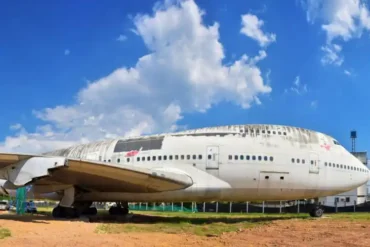
Although most retired aircraft eventually become sources of parts and recycled materials, a small number receive a different future. Aircraft with historical importance, technological significance, or strong public recognition may be preserved.
Museums sometimes acquire retired widebodies to protect important examples of aviation history. These aircraft allow visitors to experience machines that once connected continents and transformed global travel.
Airlines may also preserve aircraft that played special roles in their history. An aircraft that introduced a new technology, opened important routes, or represented a major milestone may become a permanent exhibit.
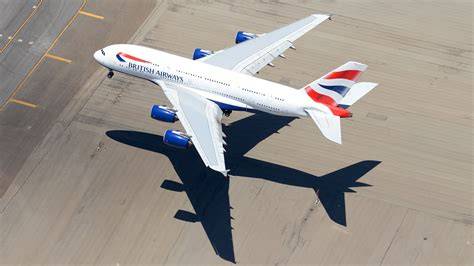
Other aircraft find unusual second careers. Complete fuselages can become training platforms for cabin crews, emergency response teams, and maintenance technicians. Some retired aircraft are transformed into restaurants, hotels, educational attractions, or film production sets.
However, these examples remain rare. Maintaining a complete aircraft outside commercial service requires significant investment, and most operators cannot justify the expense unless the aircraft has exceptional historical value.
The Real Meaning Of An Aircraft Retirement
A widebody aircraft’s final commercial flight is not the end of its story. It is a transition point from one economic role to another.
Some aircraft return to the skies after careful preservation. Others continue flying as freighters. Many provide critical spare parts that keep similar aircraft operating safely. Even those that are dismantled contribute valuable materials to future industries.
The retirement process reveals something important about commercial aviation: an aircraft is not only a machine designed to fly. It is also a collection of engineering achievements, certified technology, and valuable resources.
Long after passengers take their final journey aboard a widebody, the aircraft continues creating value. Its career changes, but its contribution to aviation does not truly end.