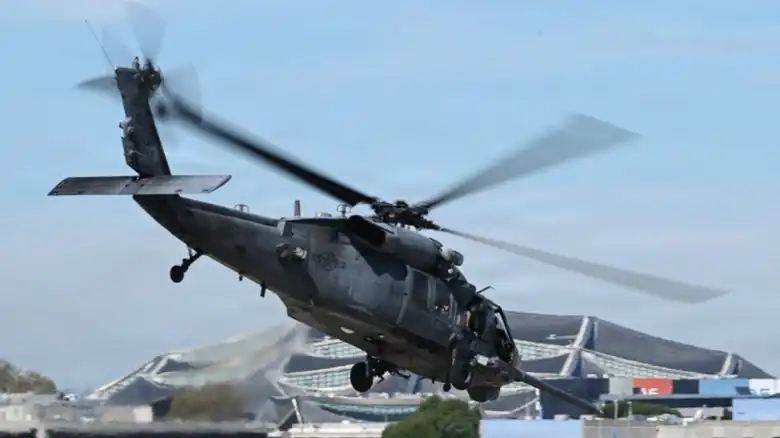
The legendary HH-60G Pave Hawk has completed its final U.S. Air Force flight, closing a remarkable chapter in American combat search-and-rescue aviation. The aircraft made its last flight on September 10, 2026, after more than three decades in Air Force service and years of missions that carried crews into some of the most dangerous environments imaginable.
The Pave Hawk’s Long Rescue Legacy
Derived from the Army’s UH-60 Black Hawk, the Pave Hawk entered military operations in 1982 and was adapted specifically for demanding rescue missions. Its most important role became combat search and rescue (CSAR), particularly during American operations in Iraq and Afghanistan, where crews regularly operated in hostile conditions to recover wounded personnel and isolated service members.
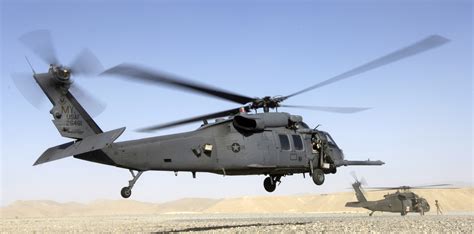
The helicopter’s importance extended far beyond overseas combat. Air Force and Air National Guard crews also used the Pave Hawk for civilian rescues, disaster relief, and emergency response, giving the aircraft a reputation for bringing people home regardless of whether they were military personnel or civilians.
For California’s 129th Rescue Wing, the retirement carried particular significance. The unit is credited with saving 1,190 lives, with the Pave Hawk playing a central role in many of those missions. Its final aircraft therefore represented more than an aging military platform; it embodied decades of rescue operations performed by pilots, aircrews, maintainers, and support personnel.
HH-60G Pave Hawk Retired as HH-60W Takes Over
The retirement marks the transition toward the HH-60W Jolly Green II, Sikorsky’s newer combat rescue helicopter. The Air Force began receiving the HH-60W in 2020, with early aircraft assigned to units including the 512th Rescue Squadron at Moody Air Force Base and rescue squadrons at Kirtland Air Force Base.
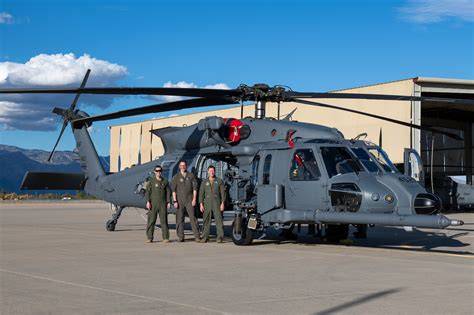
The Jolly Green II retains the fundamental rescue mission while introducing substantially newer systems. It has a 20,000-foot service ceiling, approximately 690 miles of range, and a top speed of 176 mph, while its maximum operational weight reaches 22,500 pounds.
More importantly, the HH-60W incorporates integrated mission equipment designed for modern combat environments, including a digital radar warning receiver, laser warning capabilities, hostile-fire warning systems, and integrated defensive systems. These technologies are intended to give rescue crews better awareness and survivability when operating near threats.
The final Pave Hawk flight therefore represents both an ending and a transition. After decades of service, the aircraft leaves the Air Force inventory with a legacy defined not simply by its age or design, but by the 1,190 lives associated with the 129th Rescue Wing’s rescue record and the countless missions carried out across combat zones and communities. The HH-60W now carries that rescue tradition into a new generation of U.S. Air Force operations.