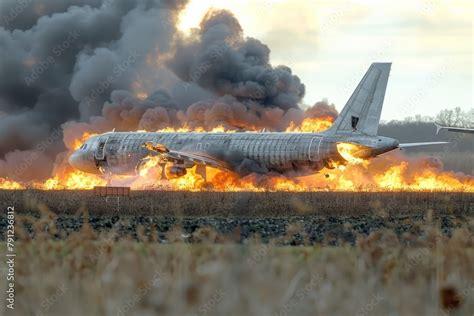
Modern commercial aircraft are flying aluminum ecosystems. Beneath every polished fuselage, every riveted skin panel, and every wing spar lies an immense network of aerospace-grade alloys engineered to survive pressurization cycles, violent turbulence, thermal stress, and decades of fatigue loading. When a commercial airliner crashes, public attention understandably focuses on survival, rescue operations, and the investigation itself. Yet after the emergency vehicles leave and the headlines fade, another process begins — one that transforms thousands of tons of twisted aviation metal into forensic evidence, industrial waste, environmental liability, and eventually recycled commodity material.
The aluminum recovered from a crashed aircraft does not simply disappear into a scrapyard. It enters one of the most tightly controlled recovery chains in modern transportation infrastructure. Every damaged fuselage fragment, wing section, stringer, and floor beam becomes part of a legally protected evidence field governed by international aviation law and national investigative authority. Before a single piece can be cut apart or transported away, investigators must decode the crash itself through the metal.
Commercial aircraft remain heavily dependent on aluminum despite the rise of composites. Traditional narrowbody aircraft such as the Boeing 737 and Airbus A320 are still composed primarily of aluminum alloys by structural weight. That means every major crash site contains enormous quantities of high-grade aerospace metal scattered across terrain that may span runways, forests, mountainsides, oceans, or urban infrastructure.
The fate of that aluminum follows a surprisingly sophisticated path: forensic preservation, structural reconstruction, hazardous-material assessment, alloy separation, industrial recycling, and finally reintegration into entirely different industries. By the time the process ends, the material that once crossed continents at 35,000 feet may become part of a bridge support, automotive engine component, industrial tooling system, or architectural structure.
The Legal Lockdown That Freezes Every Piece Of Aircraft Aluminum
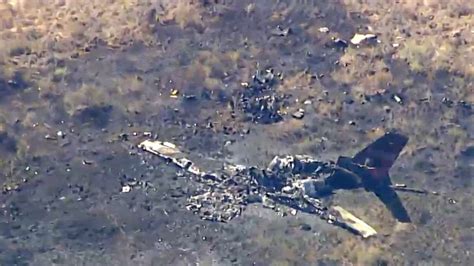
Immediately after a major aviation accident, the wreckage field effectively transforms into a protected forensic zone. In the United States, authority over the site transfers to the National Transportation Safety Board, commonly known as the NTSB. Internationally, investigations are governed through International Civil Aviation Organization standards under Annex 13 of the Convention on International Civil Aviation.
That legal structure exists for a critical reason: aircraft wreckage contains physical evidence capable of reconstructing the final seconds of flight with extraordinary precision.
Investigators do not initially see twisted aluminum as scrap metal. They see fracture signatures, directional tearing, compression patterns, burn indicators, impact sequencing, and aerodynamic breakup evidence. The exact location of a wing fragment relative to the fuselage may reveal whether structural failure occurred in-flight or during ground impact. A separated aluminum skin panel can indicate explosive decompression, aerodynamic overload, or fatigue propagation depending on how the metal fractured.
This is why crash sites are methodically mapped before cleanup begins. Specialists deploy GPS positioning systems, drones, photogrammetry rigs, laser scanning equipment, and high-resolution photography to create a geospatial reconstruction of the debris field. Every major fragment receives identification tags and spatial documentation.
In large-scale crashes, the investigative response resembles a military deployment more than a traditional accident cleanup. Structural engineers, metallurgists, propulsion experts, air traffic specialists, human factors analysts, and systems engineers all work simultaneously across the site. Hundreds of personnel may participate in the evidence recovery process.
The most protected components are usually the Flight Data Recorder and Cockpit Voice Recorder. Despite their common nickname, “black boxes” are painted bright orange for visibility and engineered to survive catastrophic impact forces, deep-water immersion, and extreme fire exposure. These devices are often recovered first, but structural aluminum remains equally important throughout the investigation.
Primary structural sections frequently remain untouched for days or weeks until investigators complete documentation. Moving material too early risks permanently destroying evidence about breakup sequencing or structural failure progression.
Why Aircraft Aluminum Becomes Forensic Evidence Instead Of Scrap
Aircraft-grade aluminum behaves differently under stress than ordinary industrial metals. Aerospace alloys are specifically engineered to balance low weight with exceptional strength and fatigue resistance. When these materials fail, they leave behind identifiable microscopic signatures.
This transforms damaged aluminum into an investigative language.
Metallurgists can examine fracture surfaces under magnification and determine whether a component failed due to overload, fatigue cracking, corrosion, manufacturing defects, or post-impact damage. Certain crack patterns reveal whether structural weakening existed months or even years before the accident occurred.
One of the most important clues is fatigue cracking. Commercial aircraft endure tens of thousands of pressurization cycles during their operational lives. Every ascent and descent slightly expands and contracts the fuselage. Over time, microscopic flaws may evolve into detectable cracks.
Fatigue fractures produce characteristic “beach marks” — concentric patterns showing progressive crack growth under cyclic loading. These patterns can identify the origin point of structural failure with remarkable accuracy.
By contrast, overload fractures caused by sudden catastrophic stress create rougher and more jagged surfaces. Stress-corrosion cracking produces yet another distinctive appearance, particularly in high-strength 7xxx-series aluminum alloys used in heavily loaded wing structures.
The distinction matters enormously during accident investigations. If investigators determine that fatigue cracking initiated structural failure, attention shifts toward maintenance procedures, inspection intervals, manufacturing quality control, or design vulnerabilities. If overload caused the fracture after impact, investigators instead focus on operational circumstances leading to the crash itself.
The most famous example of large-scale aluminum forensic reconstruction remains TWA Flight 800. After the Boeing 747 exploded over the Atlantic Ocean in 1996, investigators recovered approximately 95% of the aircraft from underwater debris fields. Thousands of aluminum fragments were transported to a reconstruction hangar where technicians physically reassembled massive sections of the aircraft.
The reconstruction process lasted months and eventually revealed that an explosion in the center wing fuel tank initiated the breakup sequence. For decades afterward, the reconstructed wreckage remained preserved as investigative and training material before eventually being retired.
That case demonstrated something the public rarely sees: crashed aircraft aluminum may remain under evidentiary control for years or even decades before recycling becomes possible.
The Massive Industrial Operation Behind Aircraft Wreckage Removal
Once investigators authorize debris removal, the operation transitions from forensic science into industrial logistics. At this stage, the reality becomes far harsher and less cinematic than public imagination often assumes.
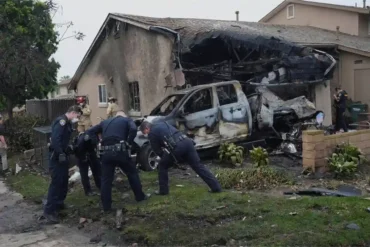
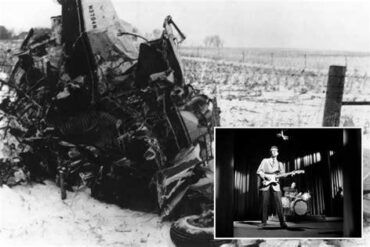
Aircraft wreckage rarely resembles recognizable airplanes after major impacts. Fuselage sections become accordion-folded masses of torn metal. Wing structures collapse into compacted debris piles. Fire exposure melts insulation, wiring, plastics, and composite structures into contaminated wreckage layers fused with soil, vegetation, or infrastructure.
Heavy machinery becomes essential.
Excavators, cranes, loaders, cutting torches, hydraulic shears, and industrial transport systems dominate the cleanup phase. Large fuselage sections may require cutting into transportable pieces before removal. In remote terrain, helicopters sometimes lift wreckage sections individually because road access does not exist.
The complexity varies enormously by accident type.
Runway overruns at major airports are comparatively straightforward because heavy equipment already exists nearby. Recovery teams can rapidly isolate and remove damaged aluminum sections while minimizing operational disruption.
Mountain crashes create entirely different challenges. Investigators and recovery teams may need to carve temporary roads into steep terrain simply to access debris fields. Dense forests complicate visual mapping and equipment movement. High-altitude locations introduce weather hazards that delay operations for weeks.
Underwater recoveries are even more difficult. Ocean currents scatter debris across enormous areas while saltwater corrosion immediately begins degrading exposed metal surfaces. Deep-water recovery requires remotely operated vehicles, sonar mapping, lifting baskets, dive teams, and specialized marine salvage equipment.
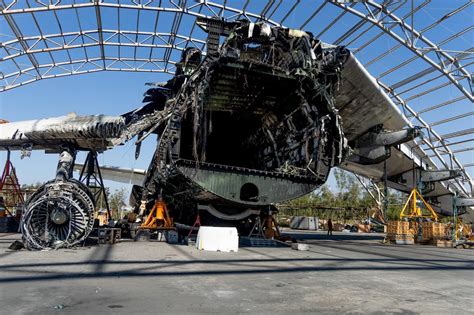
The January 2025 midair collision involving an Bombardier CRJ700 operating for American Eagle and a Sikorsky UH-60 Black Hawk illustrated the scale of modern recovery operations. Divers worked for days in hazardous river conditions recovering structural debris and human remains before larger salvage operations could even begin.
Throughout removal operations, aluminum recovery is heavily influenced by contamination risks. Jet fuel saturation, hydraulic fluid leakage, fire suppression chemicals, battery residue, oxygen generators, and composite dust all affect how debris is handled.
Severely burned aluminum loses much of its industrial value because heat exposure alters metallurgical properties. High-temperature fires can warp alloy composition, complicating downstream sorting and recycling.
Ownership disputes occasionally delay cleanup further. Airlines, insurers, manufacturers, and leasing companies may disagree over liability or salvage rights, leaving wreckage secured for extended periods even after investigations conclude.
Inside The Wreckage Reconstruction Hangars
Certain aircraft crashes require reconstruction on an astonishing scale. In these cases, recovered aluminum is transported to secure hangars where engineers rebuild substantial portions of the aircraft frame piece by piece.
These reconstruction facilities resemble giant three-dimensional forensic puzzles.
Technicians suspend fuselage sections from steel frameworks to recreate structural geometry. Thousands of fragments are cataloged, cleaned, aligned, and mounted into approximate original positions. Investigators then study deformation patterns, penetration marks, soot distribution, wiring damage, and fracture progression.
The aluminum itself becomes testimony.
Wing spars may reveal aerodynamic overload moments before impact. Fuselage tears can indicate internal pressure events. Fire discoloration patterns help determine whether flames originated before or after ground collision.
One overlooked reality is how long this process can last. Major investigations often continue for years. During that entire period, the recovered aluminum remains secured within evidence systems rather than entering industrial recycling streams.
In some investigations, only a relatively small percentage of wreckage undergoes detailed reconstruction. In others — particularly unexplained in-flight breakups — investigators may reconstruct nearly the entire aircraft.
This process is expensive, labor-intensive, and highly technical, but it remains essential because modern aircraft failures are extraordinarily rare. Every crash therefore becomes a critical data source for improving future safety.
How Aerospace Aluminum Gets Sorted After A Crash
Once investigators finally release wreckage from evidentiary hold, the aluminum enters the commercial recycling chain. But aircraft aluminum cannot simply be dumped into ordinary scrap streams.
Aerospace alloys are highly specialized.
Commercial aircraft primarily use two major aluminum alloy families: 2xxx-series and 7xxx-series materials. These alloys differ substantially in chemistry, mechanical performance, corrosion resistance, and intended structural role.
2xxx-series alloys, such as 2024-T3, are commonly used in fuselage skins and lower wing structures where fatigue resistance matters most. These alloys rely heavily on copper content for strength.
7xxx-series alloys, including 7075-T6, dominate upper wing structures and highly stressed load-bearing components because they provide exceptional strength-to-weight performance through zinc alloying.
Mixing these alloy families during recycling reduces material quality. Smelters therefore require sorting processes before melting begins.
Experienced recycling operators identify alloy categories through multiple methods:
- Manufacturer markings and part stamps
- Component origin within the aircraft
- Spectrographic testing
- Material certification references
- Density and hardness characteristics
Sorting determines economic value. Clean, well-separated aerospace aluminum commands significantly higher prices because downstream manufacturers can produce higher-quality recycled material.
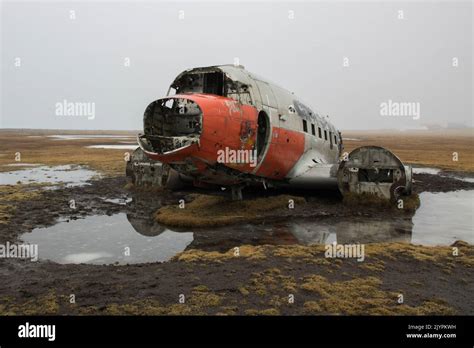
Fire damage complicates the process considerably. Intense heat alters alloy structure and contaminates surfaces with combustion residue. Burned material often gets downgraded into lower-specification recycling applications.
Despite these challenges, aerospace aluminum remains highly desirable feedstock because of its purity and engineering quality.
Why Recycled Aircraft Aluminum Is So Valuable
Aluminum recycling offers one of the most dramatic energy-saving advantages in industrial manufacturing.
Producing primary aluminum from bauxite ore requires enormous electrical consumption through the Hall-Héroult electrolytic process. Recycling aluminum, however, uses only a fraction of that energy.
This makes recovered aircraft material commercially attractive even after catastrophic damage.
Secondary smelters melt the sorted aluminum into ingots, billets, or casting stock for industrial reuse. However, one critical limitation exists: recycled crash aluminum almost never returns to certified commercial aircraft production.
Aerospace manufacturing demands traceability.
Aircraft manufacturers require rigorous certification documentation proving exact alloy composition, production history, contamination control, and mechanical performance. Crash-recovered material loses that certification chain permanently.
As a result, the aluminum enters other industries instead.
Former fuselage skin may become automotive engine components. Wing structures may transform into construction extrusions, industrial equipment, marine hardware, consumer products, or tooling systems. The metal survives, but its aviation identity disappears.
Ironically, controlled aircraft retirement programs achieve far higher recovery efficiency than crash recycling operations. Companies specializing in aircraft dismantling can recover more than 90% of a retired aircraft’s weight because components remain structurally intact and contamination is minimized.
Crash sites rarely offer such ideal conditions.
Military Aircraft Crash Recovery Follows A Different System
Military aviation accidents involve additional layers of complexity because wreckage may contain classified technology, weapons systems, sensitive avionics, or restricted materials.
In the United States, military wreckage disposal falls under the authority of the Defense Logistics Agency and related defense structures.
Unlike civilian recovery operations focused primarily on investigation and environmental cleanup, military recoveries must also address national security concerns.
Even destroyed aluminum fragments may require controlled handling if they originate from sensitive aircraft platforms. Recovery teams often demilitarize wreckage before recycling becomes possible. This may involve shredding components, removing identifiable systems, or destroying classified hardware entirely.
Environmental remediation also becomes more intensive because military aircraft frequently carry specialized fuels, coatings, pyrotechnics, countermeasure systems, or hazardous materials.
The cleanup of a crashed Boeing F/A-18E/F Super Hornet, for example, may involve contaminated soil removal, chemical exposure monitoring, and advanced protective equipment due to shattered composite structures and toxic residue.
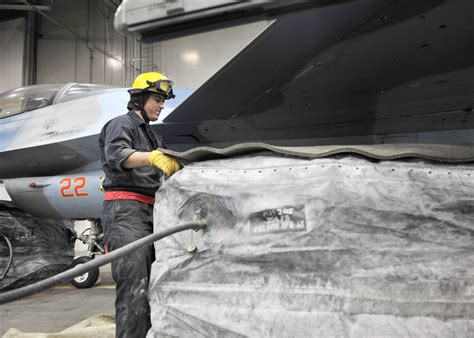
These requirements reduce the economic value of recovered metal because disposal costs rise dramatically. In military recovery operations, environmental compliance and security protection usually matter more than salvage revenue.
The Carbon Fiber Revolution Is Changing Aircraft Crash Recycling
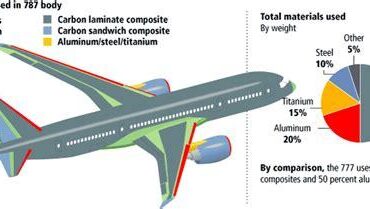
The future of aircraft wreckage recycling may become substantially more difficult because modern airliners increasingly rely on carbon-fiber-reinforced polymer structures rather than aluminum.
Older commercial aircraft were dominated by metallic construction. New-generation designs increasingly depend on composite materials for fuel efficiency and weight reduction.
The Boeing 787 Dreamliner and Airbus A350 are majority composite by structural weight. This fundamentally changes crash recovery dynamics.
Carbon fiber behaves differently from aluminum during both impact and recycling.
Fractured composite panels release microscopic conductive fibers that can penetrate protective gear and become airborne respiratory hazards. Cleanup crews handling composite-heavy debris fields often require Level C protective equipment including respirators, chemical-resistant suits, and contamination-control systems.
Unlike aluminum, composite recycling lacks a mature industrial ecosystem.
The dominant recovery method today is pyrolysis, where heat breaks down resin systems and frees reusable carbon fibers. However, recycled carbon fiber still suffers reduced mechanical performance compared to virgin aerospace-grade material.
That limits its reuse potential.
Most recycled composite material currently enters automotive manufacturing, industrial tooling, sporting goods, or secondary structural applications rather than aviation-grade production.
This creates a looming industrial challenge. Thousands of composite-heavy aircraft will reach retirement age over the coming decades, while crash recovery operations already expose how underdeveloped composite recycling infrastructure remains.
The aviation industry solved aluminum recycling decades ago. Carbon fiber recycling remains a work in progress.
What Happens To Aircraft Aluminum After The Story Ends
The public typically experiences aviation accidents through headlines, investigation summaries, and dramatic imagery. Yet the physical reality continues long after media coverage disappears.
The aluminum from a crashed aircraft enters one of the strangest industrial afterlives imaginable. First, it becomes evidence. Then environmental liability. Then industrial salvage. Finally, commodity material stripped of its aeronautical identity.
At no point is the process simple.
Every twisted skin panel and shattered wing spar passes through layers of legal authority, forensic science, industrial logistics, metallurgical analysis, contamination management, and recycling economics before reappearing elsewhere in the global manufacturing system.
A section of fuselage that once carried passengers across oceans may eventually support a building facade. Structural aluminum that once endured jet-stream turbulence may become part of a machine tool or vehicle engine. The transformation is almost total.
Yet despite losing certification status, traceability, and aviation purpose, the metal itself survives remarkably well. Aluminum’s recyclability ensures that even after catastrophic destruction, much of the material continues circulating through industrial supply chains for decades.
That enduring recyclability explains why aircraft aluminum remains one of the most valuable and recoverable materials in modern aviation — even after disaster reduces an airliner to fragments scattered across a crash field.