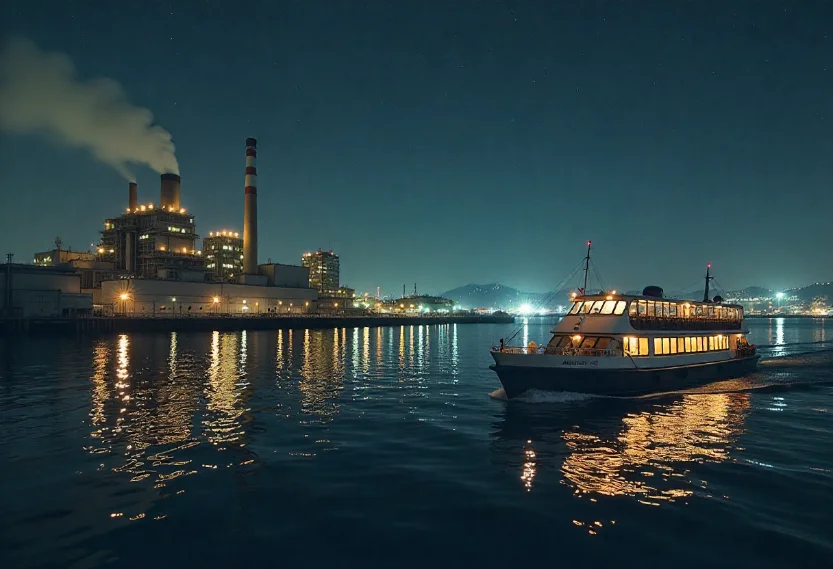
Yokkaichi, a vibrant industrial city nestled in Japan, presents an astonishing spectacle as the sun sets—a night cruise that showcases the stunning beauty of its illuminated factories while reflecting on a past marred by pollution. This juxtaposition of beauty and history invites visitors to witness firsthand the transformation of an area once notorious for its environmental challenges into a captivating tourist destination.
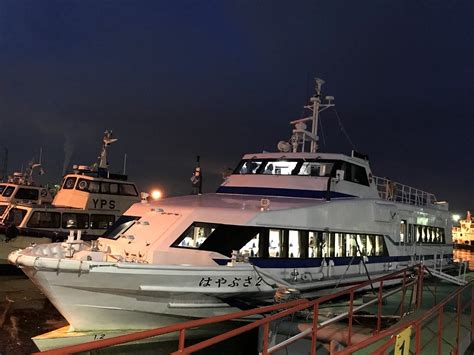
The night cruise, launched in 2010 by Daiichi-Kanko Co., has quickly become one of Yokkaichi’s most sought-after attractions. Operating primarily on Fridays and Saturdays, this one-hour tour takes passengers through the heart of the industrial complex, offering a mesmerizing view of the glowing factories against the backdrop of the night sky. With approximately 2,500 visitors each year, the cruise not only provides a visual feast but also imparts valuable insights into the city’s difficult history with pollution and the strides made toward recovery.
The Legacy of Pollution and Environmental Change
Yokkaichi’s journey through industrialization began in the mid-20th century, particularly between the 1950s and 1970s. During this period, the city experienced rapid economic growth fueled by heavy industry. However, this boom came at a significant cost, as the emissions from factories led to severe air pollution. Residents faced a surge in health issues, notably asthma, prompting a community outcry and legal action against polluting companies. In 1967, local residents filed a lawsuit that culminated in a landmark victory in 1972, resulting in the implementation of stringent regulations to combat pollution and improve air quality.
Among those who lived through this tumultuous era is Jiro Hashimoto, a guide on the night cruise and a former employee of a local chemical company. Hashimoto recalls the striking transformation from the dark smoke that once engulfed the city to the cleaner, whiter emissions now visible from factory chimneys. His personal experiences add depth to the cruise, allowing visitors to connect more intimately with Yokkaichi’s industrial history. The night cruise serves not only as a visual showcase but also as a reflective journey through the city’s recovery, blending narratives of hardship with tales of resilience.
Turning Pollution into Tourism
Initially, the concept of transforming an industrial complex—historically associated with pollution—into a tourist attraction seemed challenging. However, the publication of the photo book “Kojo Moe” (Factory Infatuation) in 2007 shifted perceptions significantly. The book highlighted the captivating visual appeal of factories illuminated against the night sky, revealing their potential as tourist destinations. Following its success, the Yokkaichi Chamber of Commerce and local tourism agencies collaborated with the book’s author and scenic tourism experts to create the night cruise, which artfully blends the allure of factory lights with an educational narrative about the city’s environmental past.
A Commitment to Remembering
Integral to the night cruise experience is a visit to the Yokkaichi Pollution and Environmental Museum for Future Awareness, which opened its doors in 2015. This museum plays a crucial role in educating visitors about the city’s pollution history and the community’s fight for cleaner air. It features poignant video testimonials from individuals impacted by pollution, including powerful accounts from families who have endured significant loss due to health complications stemming from poor air quality. One mother shares her heart-wrenching story of losing her nine-year-old daughter to an asthma attack, emphasizing the need to remember the painful past even amid the beauty of the present. “I hate to say it, but the night view is beautiful,” she reflects. “I just hope they really tell people what happened in Yokkaichi.”
Healing Through Education
The dual focus of the cruise and the museum is to showcase Yokkaichi’s beauty while ensuring the lessons learned from its industrial past are not forgotten. Takami Kawakita, the director of the museum, underscores the importance of passing these stories on to future generations. Through interactive exhibits and personal narratives, the museum seeks to remind visitors of the struggles the community faced and the perseverance it demonstrated in pursuit of a healthier environment. As tourists marvel at the luminous factories, they are encouraged to reflect on the ongoing commitment to sustainability and environmental responsibility that defines modern Yokkaichi.
Conclusion: A Reflection of Transformation
Ultimately, Yokkaichi’s night cruise offers more than just an enchanting light display; it stands as a profound reminder of the city’s remarkable transformation from environmental disaster to a model of recovery. The glowing factories, once symbols of pollution, now illuminate a path toward a sustainable future. Visitors leave the cruise not only captivated by the visual spectacle but also enriched by the knowledge of Yokkaichi’s history and the lessons it holds for the broader world. By embracing its industrial past while advocating for a cleaner, healthier environment, Yokkaichi exemplifies how a community can turn adversity into a source of pride and education. As the cruise continues to attract more visitors, it remains a pivotal element in the city’s ongoing efforts to reshape its legacy and promote a narrative of hope and resilience.