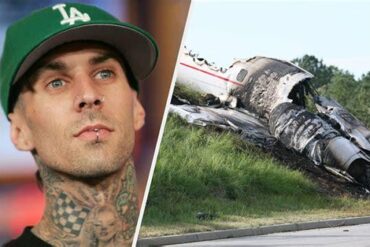
In the unforgiving heart of the Andes Mountains, a tragic accident transformed into one of the most remarkable survival stories in modern history. “Miracle in the Andes”, a 2006 memoir by Nando Parrado and co-author Vince Rause, recounts the horrifying yet inspiring ordeal of Uruguayan Air Force Flight 571, which crashed on October 13, 1972. This is not merely a tale of physical endurance but an emotional reckoning with mortality, faith, and the primal will to live.
The Tragedy Unfolds: Flight 571’s Fateful Descent
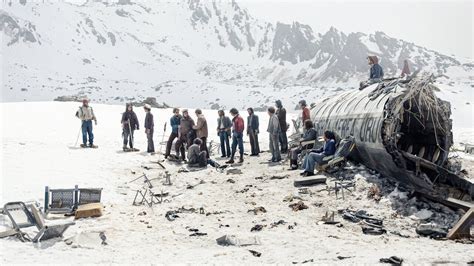
Flight 571 was chartered to carry the Old Christians Club, a rugby team from Uruguay, along with family and friends, to a match in Chile. As the Fairchild FH-227D aircraft approached the Andes mountain range, a navigational error led the pilots to believe they had already crossed into Chilean airspace. Descending prematurely, the plane slammed into a mountainside, killing 12 instantly.
The remaining 33 survivors were left to endure sub-zero temperatures, altitude sickness, and minimal supplies, all while stranded at an elevation of over 12,000 feet.
Survival Measured in Days and Decisions
Within ten days, their limited rations—chocolate, wine, a few snacks—were exhausted. Starvation became imminent. The survivors were forced to confront an unthinkable decision: consume the bodies of their deceased friends in order to stay alive. Nando Parrado wrote of this moment not with horror, but with an aching reverence for life. They prayed before each act, understanding that what they were doing was not out of malice, but of sheer necessity.
As days turned into weeks, despair was compounded by a devastating avalanche that buried the fuselage and killed eight more. The remaining survivors were reduced to a mere handful, clinging to hope as snowstorms battered their shelter, and hope of rescue dwindled.
Parrado’s Mission: A Journey into the Unknown
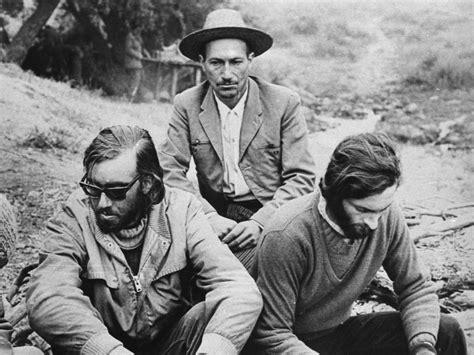
After 61 days in the mountains, Nando Parrado—emaciated, frostbitten, and traumatized—resolved to find help. He embarked on a perilous trek across the Andes alongside fellow survivor Roberto Canessa, armed with makeshift gear and the sheer will to survive. For ten days, they scaled peaks and crossed glaciers, a journey that pushed the limits of human endurance.
Their ultimate encounter with Chilean herder Sergio Catalán, who signaled for help, became the turning point. Parrado’s incredible hike led rescuers back to the crash site, and on December 23, 1972, the last of the 16 survivors were evacuated—72 days after the crash.
A Memoir of Perspective: More Than Just Survival
Unlike Piers Paul Read’s 1974 journalistic account, “Alive: The Story of the Andes Survivors,” Parrado’s “Miracle in the Andes” is deeply personal, introspective, and written over three decades after the ordeal. The temporal distance allowed Parrado to explore not just the facts of survival, but its spiritual and psychological aftermath.
He reflects on the death of his mother and sister, both lost in the crash, and the profound transformation in his worldview. For Parrado, the mountains were not merely a place of death, but of rebirth. He writes of a raw connection to nature, of finding meaning in suffering, and of a renewed devotion to family and life’s fragility.
Themes of Brotherhood, Loss, and the Human Spirit
The memoir emphasizes the camaraderie among the survivors, the silent sacrifices, and the ethical lines blurred by desperation. These young men, bonded by sport, became one another’s keepers. They constructed sleeping arrangements to conserve body heat, risked their lives for reconnaissance missions, and supported each other through grief and illness.
Their ordeal lays bare the layers of human resilience. Fear, guilt, faith, and hope coexisted in a fragile balance. It challenges our understanding of morality under duress, and ultimately reaffirms the sanctity of life in even the most unimaginable circumstances.
Legacy and Cultural Impact
The story of Flight 571 has inspired numerous adaptations, each capturing different facets of the tragedy. The 1993 film “Alive”, based on Read’s account, brought the tale to a broader audience. But Parrado’s memoir brought emotional depth and personal narrative that reignited public interest.
The tale has been adapted into:
- “Sobrevivir a los Andes”, a stage play by Gabriel Guerrero, performed in Montevideo and Buenos Aires.
- “Miracle Flight 571”, a chamber opera by Lloyd Burritt, premiered at the 2016 What Next Festival of Music.
- The 2023 Spanish-language Netflix film “Society of the Snow”, which revisits the tragedy with new cinematic realism.
Each adaptation is a tribute not just to the survivors, but to the lost, and to the enduring question: What would we do to survive?
Critical Reception and Reader Response
Critics praised “Miracle in the Andes” not only for its vivid narrative but for its philosophical candor. Jon Krakauer, renowned author of “Into Thin Air”, called it “an astonishing account of an unimaginable ordeal.” Publishers Weekly noted it as a “gripping page-turner” and a deep meditation on love, loss, and perseverance.
The memoir’s success lies in its humanization of the unimaginable. It does not romanticize suffering, but rather places the reader in its moral center. What emerges is not merely an adventure tale, but a spiritual autobiography of survival.
Enduring Inspiration: Lessons from the Andes
The Andes disaster has become more than a survival story; it’s a metaphor for human will, invoked in literature, film, leadership seminars, and philosophical debates. Parrado’s reflections—on silence in the mountains, on the last breath of his sister, on the moment he saw green valleys below—become guideposts for understanding what it means to live fully.
“Miracle in the Andes” teaches us that endurance is not just physical but deeply emotional. It is the capacity to grieve, to forgive, and to love even in death’s shadow. It is also a story about how the worst day of one’s life can become the beginning of a new one.
Conclusion: Beyond the Snow and Silence
Over half a century later, the legacy of Flight 571 and Nando Parrado’s memoir continues to inspire, provoke, and humble. In recounting not only how they lived, but why they chose to keep living, “Miracle in the Andes” invites us to look inward. It challenges us to consider the strength within ourselves, and to honor those who walk with us—even in the most barren wilderness.