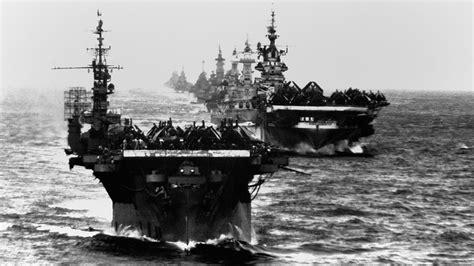
World War II reshaped the world’s oceans into arenas of ferocious combat, where steel giants met fate under fire, under waves, and sometimes at the hands of their own allies. Among the thousands of ships that sailed under the American flag, a select group gained tragic distinction for the violent and often sudden circumstances of their loss. These fourteen vessels—destroyers, battleships, submarines, and aircraft carriers—stand as symbols of sacrifice, innovation, bravery, and the unpredictable nature of war. Their stories reflect the vast scale of the conflict and the raw, unfiltered human experience aboard ships that would never return home.
USS Borie (DD-215): A Destroyer’s Duel in the Atlantic
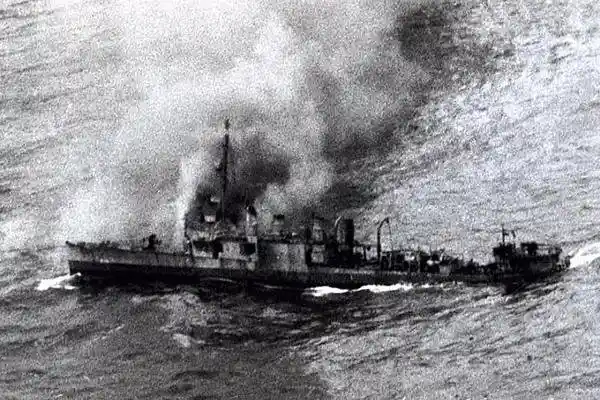
The Clemson-class destroyer USS Borie carved its name into naval lore by engaging in one of the most unusual and ferocious surface battles fought by an American warship in WWII. The Borie’s crew had been hardened by long months of anti-submarine duties when sonar readings revealed the presence of the German U-405. The encounter that followed was a twisting, chaotic fight between steel hulls and human determination.
Depth charges exploded prematurely due to a malfunction, shaking the ship so violently that its stern lifted from the water. Yet the chaos forced the U-boat to surface, giving the Borie a fleeting advantage. The destroyer pressed forward, gunners racing to fire on submariners scrambling toward their deck gun. The clash culminated when the Borie rammed the U-405, the two vessels grinding together in the black Atlantic night. Though the submarine finally slipped beneath the surface, the Borie was mortally wounded. Heavy seas, flooding, and structural damage left no hope of rescue. After survivors were taken aboard the USS Barry, the crippled destroyer was scuttled, ending the life of a ship that fought with unrelenting resolve.
USS Houston (CA-30): The Gallant Cruiser of the Java Sea
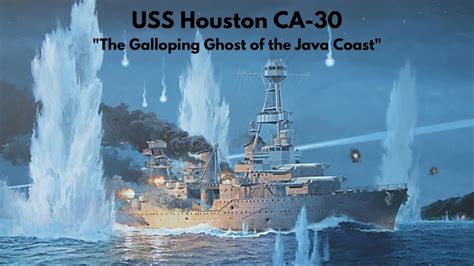
The heavy cruiser USS Houston carried the pride of the U.S. Asiatic Fleet as it sailed into the chaotic early campaigns of the Pacific War. Armed with triple 8-inch gun turrets and boasting formidable anti-aircraft systems, Houston was a reliable cornerstone of Allied naval power in the region. During the Battle of the Java Sea, the ship became a lifeline for the convoy it defended, refusing to yield under relentless waves of Japanese aerial assaults.
A bomb hit one turret during the final air raid, disabling part of the ship’s offensive strength but not its will to fight. As Houston attempted to withdraw with HMAS Perth, they encountered Japanese invasion forces at Sunda Strait. The ensuing nighttime battle was a maelstrom of torpedoes and shellfire. Perth sank first after expending all its ammunition. Houston continued firing until torpedoes tore through its hull. Forty minutes later, the cruiser finally succumbed to the sea. Out of roughly 1,100 sailors, only 368 survived—most of whom would endure three agonizing years as prisoners of war.
USS Astoria (CA-34): Fire at Savo Island
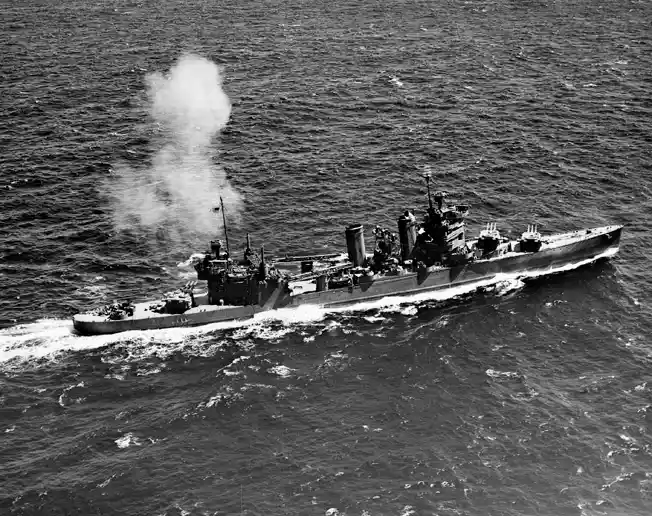
The USS Astoria had not been present at Pearl Harbor but quickly embraced the grim realities of war during the Guadalcanal campaign. At Savo Island, the heavy cruiser faced an overwhelming force of Japanese cruisers whose night-fighting proficiency proved unmatched. Astoria returned fire effectively at first, avoiding damage during several attack waves.
But the fifth wave was devastating. Shells ignited fires that swept through the ship, turning it into a raging beacon on the sea. Power failed, guns fell silent, and the crew worked desperately through the night to contain the inferno. Destroyers arrived to assist, evacuating wounded sailors. Despite all efforts, internal fires continued to flood compartments and compromise bulkheads. Nearly twelve hours after the first shell struck, the Astoria rolled over and sank—its final hours a testament to discipline and courage amid hopeless circumstances.
USS Yorktown (CV-5): The Carrier That Refused to Die
The USS Yorktown earned renown during the Battle of the Coral Sea and then became a central figure in the pivotal Battle of Midway. Despite sustaining heavy damage earlier, the carrier had undergone astonishingly rapid repairs, allowing it to rejoin the fleet in time for Midway.
During the battle, Japanese dive-bombers delivered crippling hits, damaging boilers and causing a significant list. Torpedo bombers followed, striking the hull and rendering Yorktown unable to maneuver. Even so, flight crews continued launching defensive aircraft. When power finally failed, abandon-ship orders were given. Days later, while under tow by USS Hammann, a Japanese submarine delivered the final torpedoes that sent Yorktown to the depths—and sank Hammann as well.
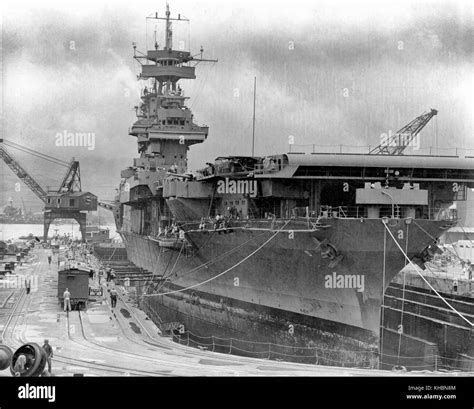
USS Indianapolis (CA-35): A Mission Completed, a Tragedy Unfolding
Fresh from delivering components of the atomic bomb “Little Boy” to Tinian Island, the USS Indianapolis sailed unescorted through waters believed to be safe. In the early hours of July 30, 1945, two torpedoes from a Japanese submarine ripped open the cruiser’s hull. The ship capsized and sank within twelve minutes, leaving hundreds of sailors stranded in the open sea.
What followed became one of the greatest naval disasters in American history. With no immediate distress signal received and no expected check-in time recorded, rescue was delayed for days. Survivors battled dehydration, exposure, hallucinations, and disorganized attempts at survival. Sharks circled, though their threat—while real—was often exaggerated in postwar lore. Of the 1,195 men aboard, just 316 survived. Their recovery on August 2 marked the end of a tragedy that still resonates as a solemn warning about operational oversight and the brutal indifference of the ocean.
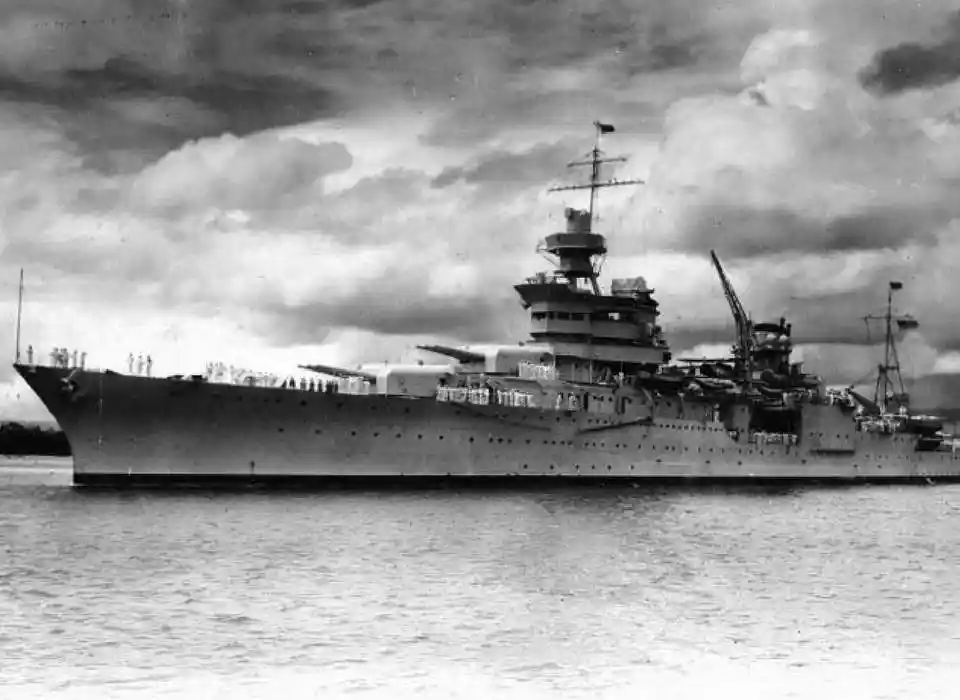
USS Wahoo (SS-238): A Submarine Legend Lost
The USS Wahoo began its service like many submarines of the Pacific Fleet: diesel-electric propulsion, a modest arsenal, and a crew determined to strike at Japan’s maritime supply lines. Yet under the command of Dudley “Mush” Morton, the Wahoo became one of the most aggressive and successful submarines in the Pacific.
Morton’s patrols showcased bold tactics and impeccable timing, sinking destroyers, transports, and freighters across thousands of miles. But mechanical issues plagued the sixth war patrol, and the crew prepared for the seventh with a determination to restore their reputation. Wahoo departed on September 9, 1943—and vanished. Postwar records revealed it had been attacked and sunk by Japanese aircraft in the straits between Hokkaido and Sakhalin. Its loss ended the career of one of the Navy’s most storied submarines.
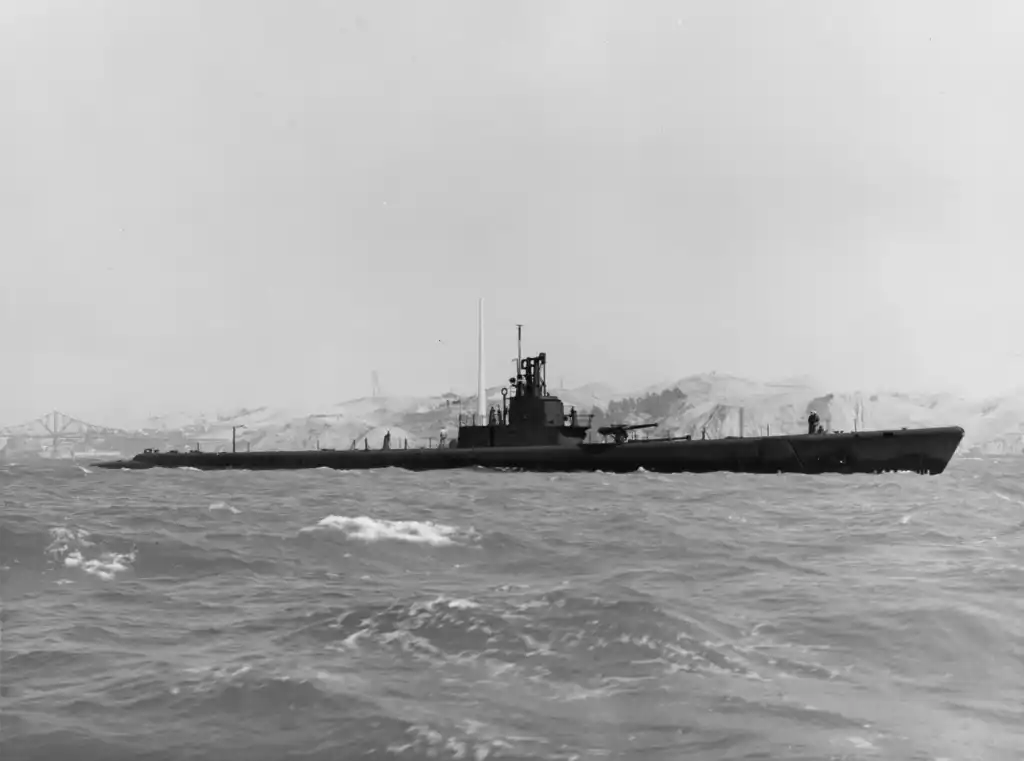
USS Wasp (CV-7): A Treaty-Bound Carrier’s Final Fight
Bound by the limits of the Washington Naval Treaty, the USS Wasp had been designed as a lighter, less armored carrier to fit within strict tonnage allowances. Its vulnerabilities were clear from the moment it entered service. After transferring to the Pacific in mid-1942, Wasp supported Guadalcanal operations—placing it squarely in contested waters.
The carrier met its fate when a Japanese submarine fired a spread of torpedoes into its hull. Fires ignited instantly, overwhelming damaged compartments. With armor too thin to withstand catastrophic hits, Wasp became a burning, crippled hulk. After evacuations, the destroyer USS Lansdowne administered the final torpedoes to scuttle the ship. The attack killed 175 personnel, including a news correspondent whose accounts had chronicled life aboard the beleaguered carrier.
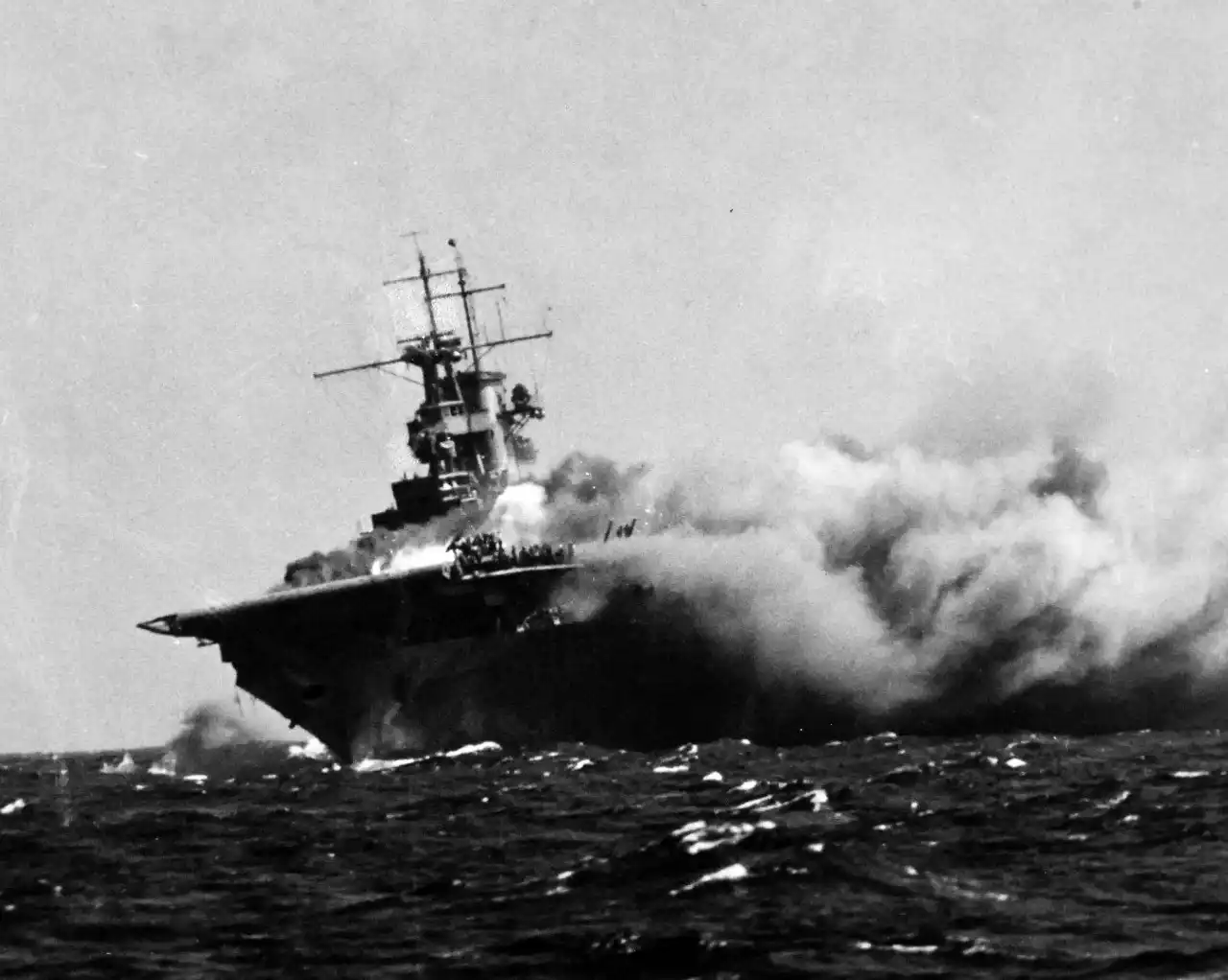
USS Tang (SS-306): A Submarine Brought Down by Its Own Torpedo
The Balao-class submarine USS Tang quickly became one of the most efficient predators in the Pacific. Commanded by Richard H. O’Kane, who had served under Morton on the Wahoo, the Tang earned a formidable reputation for precision attacks and daring surface engagements.
Its third war patrol inflicted staggering losses on Japanese shipping, sinking more than 39,000 tons. But fate intervened on the Tang’s fifth patrol. During an attack on a large convoy, the submarine fired its final two torpedoes. One malfunctioned, arcing in a deadly circle back toward the Tang. The impact was catastrophic. O’Kane and eight others survived only to be captured and held as prisoners until the war’s end.
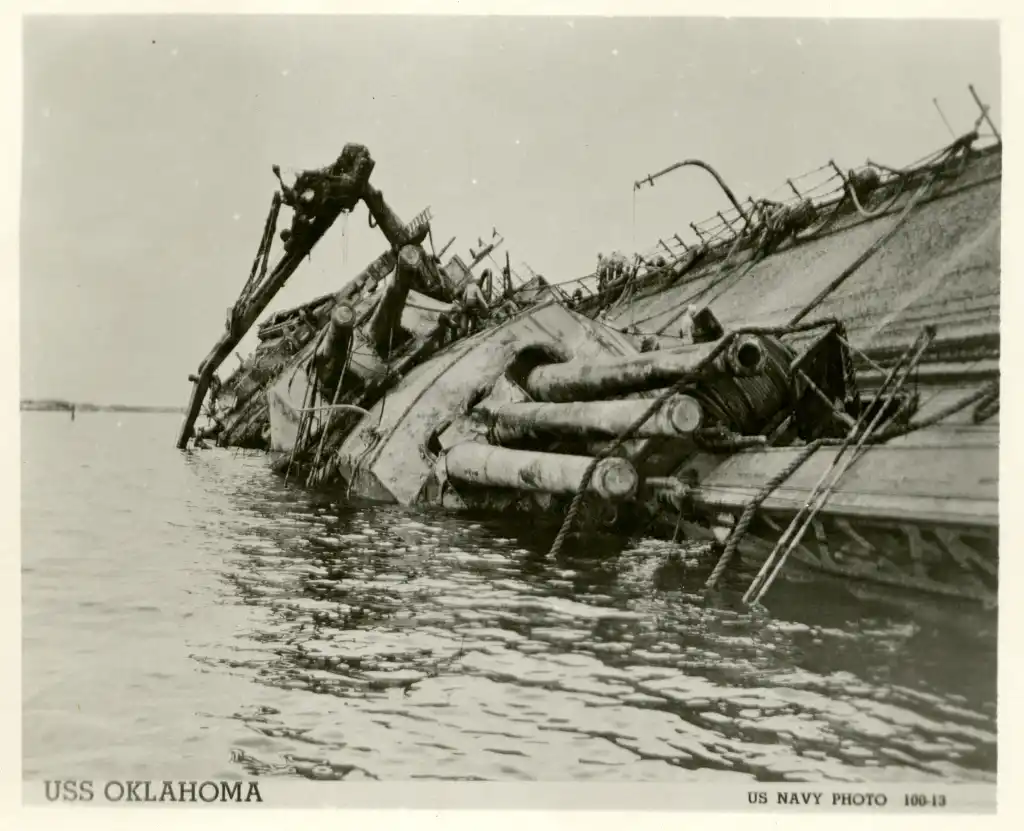
USS Oklahoma (BB-37): A Battleship Overwhelmed at Pearl Harbor
When the first wave of Japanese aircraft swept over Pearl Harbor, the USS Oklahoma became one of the earliest and most dramatic losses of the attack. Torpedoes ruptured the battleship’s port side, flooding compartments in minutes. Oklahoma rolled over and capsized just twelve minutes after the first hits.
Yet acts of courage defined the ship’s final moments. Marines manned anti-aircraft guns from adjacent vessels; sailors escaped through hatches submerged in oily water; rescue teams later cut through the hull to retrieve survivors trapped inside. Salvage crews righted the wreck in 1943, but structural damage was too severe for repair. While being towed to California for scrapping, the Oklahoma sank once more—ending its journey in deep Pacific waters.
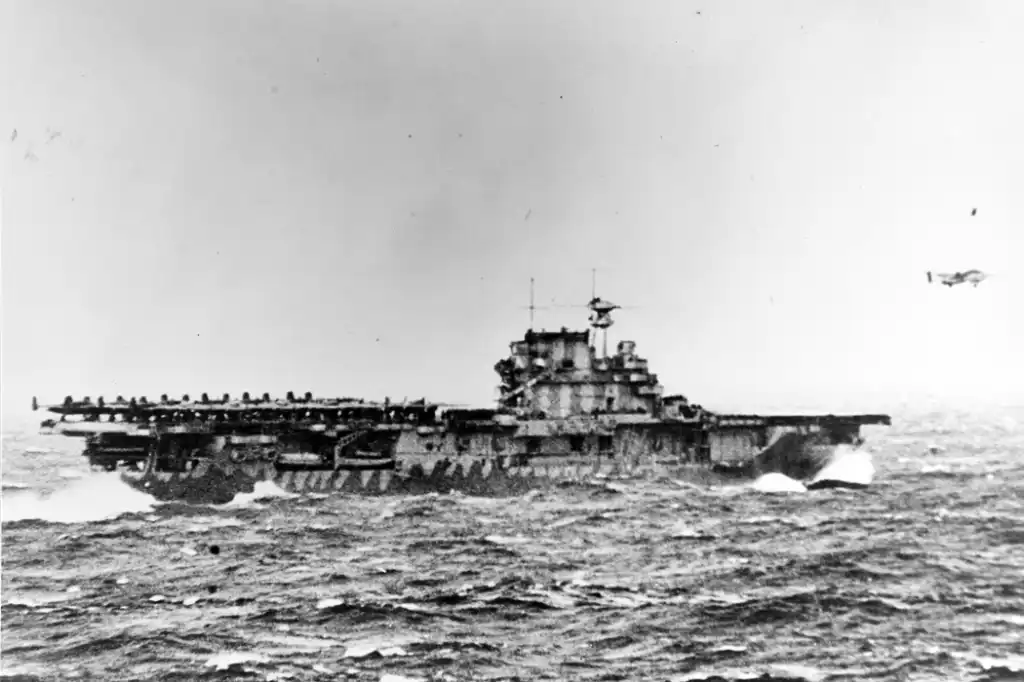
USS Hornet (CV-8): Raider, Defender, and Wartime Icon
The USS Hornet entered the war with bold purpose, launching the Doolittle Raid in April 1942—a daring strike at the Japanese homeland that reshaped morale across the Pacific. The carrier later fought at Midway and in the Solomon Islands, becoming a linchpin in the struggle for Guadalcanal.
During the Battle of the Santa Cruz Islands, Hornet endured relentless bombing and torpedo attacks. Fires raged across its decks as systems failed. Captain Charles Mason ordered the evacuation when survival became impossible. American ships attempted to scuttle the carrier, firing torpedoes and shells into its battered hull. Still the Hornet refused to sink. Only when Japanese destroyers fired their own torpedoes did the ship finally slip beneath the surface, settling 17,500 feet down.
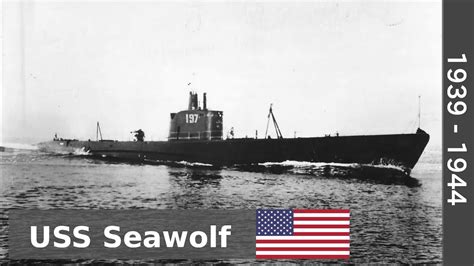
USS Seawolf (SS-197): A Tragic Case of Friendly Fire
USS Seawolf had conducted numerous successful patrols by 1944, contributing significantly to the submarine campaign that isolated Japan from its supply routes. Its end, however, came not at enemy hands but through a tragic misidentification.
After a Japanese submarine sank the USS Shelton, aircraft from USS Midway spotted a submarine submerging in a designated safe zone. Bombs were dropped, and the destroyer USS Rowell delivered additional depth-charge attacks. After the explosion subsided, only silence followed. The Navy soon determined that Seawolf had not reported its position following the attack—confirming the worst. The incident remains one of the most painful friendly-fire losses of the war.
USS Arizona (BB-39): A Symbol Carved in Stone and Memory
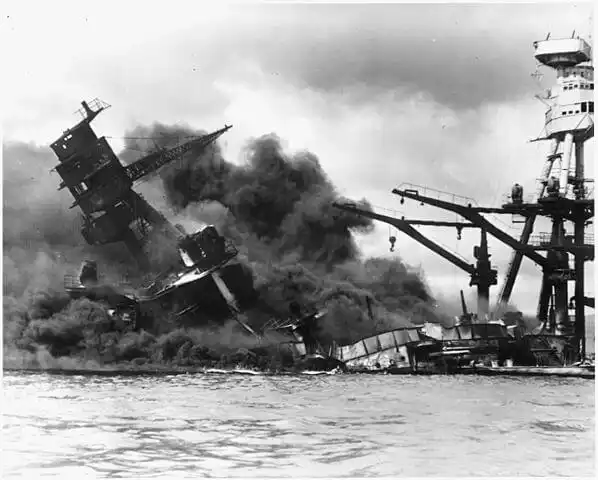
The USS Arizona, launched during World War I, became immortal not through battle victories but through its destruction at Pearl Harbor. When a Japanese bomber dropped a 1,760-pound armor-piercing bomb onto the ship, it detonated the forward magazines. The resulting explosion split the vessel and killed 1,177 sailors and Marines.
Today, the wreck remains in Pearl Harbor as a solemn memorial, its submerged hull still leaking droplets of oil—known as “the tears of the Arizona.” Visitors stand above the ship not to honor its wartime record but to remember the human lives lost in a single devastating moment that propelled the United States into global war.
Conclusion: The Legacy Beneath the Waves
The fourteen ships chronicled here represent more than steel hulls and tactical engagements. They symbolize the extremes of courage, tragedy, innovation, and sacrifice that defined the U.S. Navy’s role in World War II. Some were lost in desperate battles against overwhelming odds. Others fell to torpedoes, bombs, mechanical failures, or tragic friendly fire. Their wrecks lie scattered across oceans and harbors, continuing to whisper stories of the people who served aboard them.
To study these ships is to confront the human cost of global conflict and to recognize the resilience of sailors who faced the vast uncertainty of war with unwavering resolve. The legacy of these vessels endures not only in historical records but in the living memory of a world shaped by the sacrifices made upon the sea.