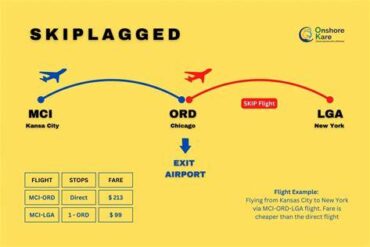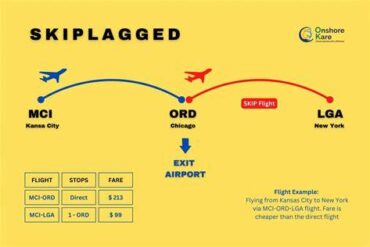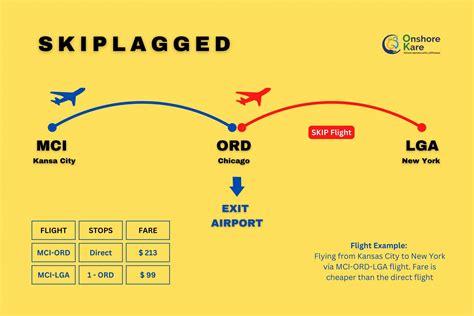
At its core, skiplagging exploits the pricing algorithms airlines use. A flight from New York to Los Angeles might cost $400, but a flight from New York to San Francisco with a layover in Los Angeles might only cost $250. The passenger simply disembarks at the layover and skips the final leg. While this seems like a win for the traveler, the practice disrupts airline operations in ways passengers rarely see.
The community discussions reveal that airlines, especially American Airlines, monitor such patterns closely. Repeat offenders can be flagged, with some receiving warnings and others seeing their frequent flyer accounts suspended or miles forfeited.
Firsthand Accounts: What Travelers Are Saying
On forums such as r/travel, numerous users have shared anecdotes about skiplagging experiences. One user detailed how American Airlines tracked their booking patterns and issued a warning after multiple skiplagging instances. The airline cited violation of its contract of carriage and threatened to cancel all future bookings under the account. Other travelers recounted milder responses, like being rebooked automatically or simply being ignored altogether.
What stands out in many of these stories is the inconsistency in enforcement. Some passengers claim they used skiplagging tactics occasionally without ever being confronted, while others were penalized after just one or two attempts. This inconsistency fuels ongoing debate about whether the risks are worth the savings.
Why Airlines Fight Back: More Than Just Lost Revenue
Many assume airlines crack down on skiplagging purely for financial reasons, but the issue runs deeper. When a passenger fails to board a connecting flight, the airline may:
- Delay flight departures while searching for the missing traveler.
- Incur additional costs due to overtime for crew and ground staff.
- Face security risks, as regulations require the offloading of checked luggage belonging to absent passengers.
Moreover, the ripple effects of a single skipped leg can cause disruptions across an airline’s network, from cascading delays to increased customer service burden. For instance, one frequent issue arises when skiplaggers unknowingly check bags; since checked bags must travel to the final destination, this error often sparks frantic calls to airline support, increasing operational strain.
Legal Gray Area: Skiplagging and the Law
It’s essential to clarify that skiplagging isn’t illegal. No law prohibits a passenger from using only part of a purchased service. However, violating the airline’s terms of service can lead to consequences like account suspension, retroactive fare recalculation, or even civil lawsuits in extreme cases. Airlines argue that skiplagging undermines their revenue models, while consumer advocates believe passengers should be free to use what they’ve purchased as they wish.
Legal scholars note that while airlines have the upper hand contractually, they are unlikely to pursue legal action unless the passenger has caused significant financial harm or engaged in systematic abuse.
How Airlines Catch Skiplaggers
Airlines employ sophisticated data analytics to spot skiplagging patterns. Accounts with frequent one-way trips terminating at major hubs are prime suspects. Other red flags include:
- Booking outbound and return legs with the same airline in a suspiciously short timeframe.
- Multiple no-show records tied to a single frequent flyer account.
- Using the same booking email or payment method repeatedly for skiplag trips.
American Airlines, for example, reportedly cross-references mileage numbers and booking histories to detect repeat offenders. Once flagged, these passengers may find their frequent flyer privileges revoked or their accounts permanently banned.

Strategies Travelers Use to Stay Under the Radar
Despite the risks, many travelers continue to skiplag, often taking steps to minimize detection. The most common strategies include:
- Not logging into airline accounts when making bookings to prevent easy tracking.
- Using different carriers for outbound and return flights.
- Cancelling unused flight legs via app or phone to avoid automatic no-show cancellations.
- Avoiding checking bags to eliminate baggage complications.
These tactics can reduce the risk of immediate penalties but do not guarantee immunity from eventual detection.
Ethical Considerations and the Future of Skiplagging
The skiplagging debate touches on broader themes of consumer rights versus corporate control. Travelers argue that they should be entitled to use any portion of the service they purchase. Airlines counter that their dynamic pricing models rely on passengers completing their entire itinerary to keep fares sustainable.
The rise of platforms like Skiplagged.com has made it easier than ever for consumers to find hidden city deals, further intensifying the conflict. Airlines have sued such platforms in the past, alleging they promote breach of contract, but these cases have often ended in settlement or dismissal, reflecting the murky legal terrain.
Final Thoughts: Should You Risk It?
While skiplagging might seem like a savvy money-saving trick, the risks are very real. Penalties can range from loss of loyalty points to outright bans from an airline’s network. Enforcement appears inconsistent, but as airlines enhance their detection technologies, the likelihood of being caught increases.
Travelers considering skiplagging should weigh the potential savings against the long-term consequences, especially if they rely on a particular airline for frequent travel. In the end, what may start as a harmless hack could escalate into a costly mistake, leaving passengers grounded—both literally and figuratively.

FAQs
Q: Can skiplagging get me banned from an airline?
A: Yes, especially with airlines like American Airlines that monitor repeat offenders. Penalties can include account suspension and loss of loyalty points.
Q: Is skiplagging illegal?
A: No, skiplagging isn’t illegal, but it violates airline terms and conditions, exposing passengers to civil—not criminal—penalties.
Q: How can I avoid detection if I choose to skiplag?
A: Strategies include avoiding logging into airline accounts, using different carriers for round trips, and never checking bags. However, these steps only reduce risk—they do not eliminate it.