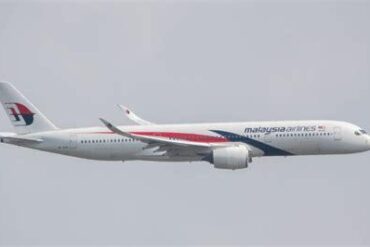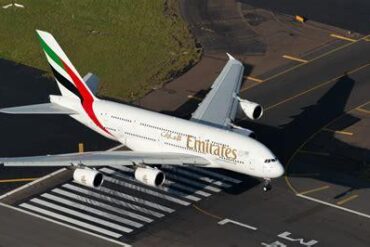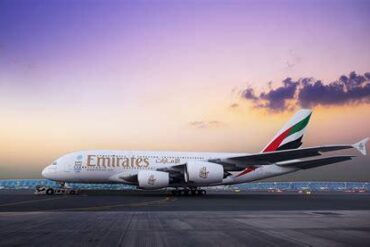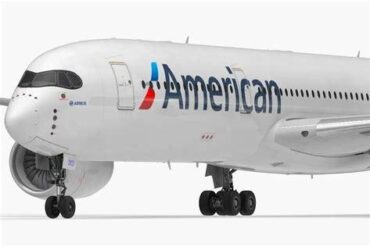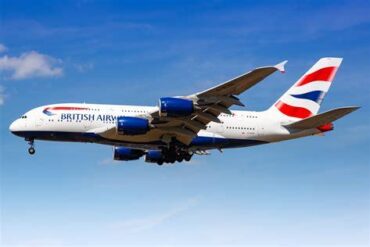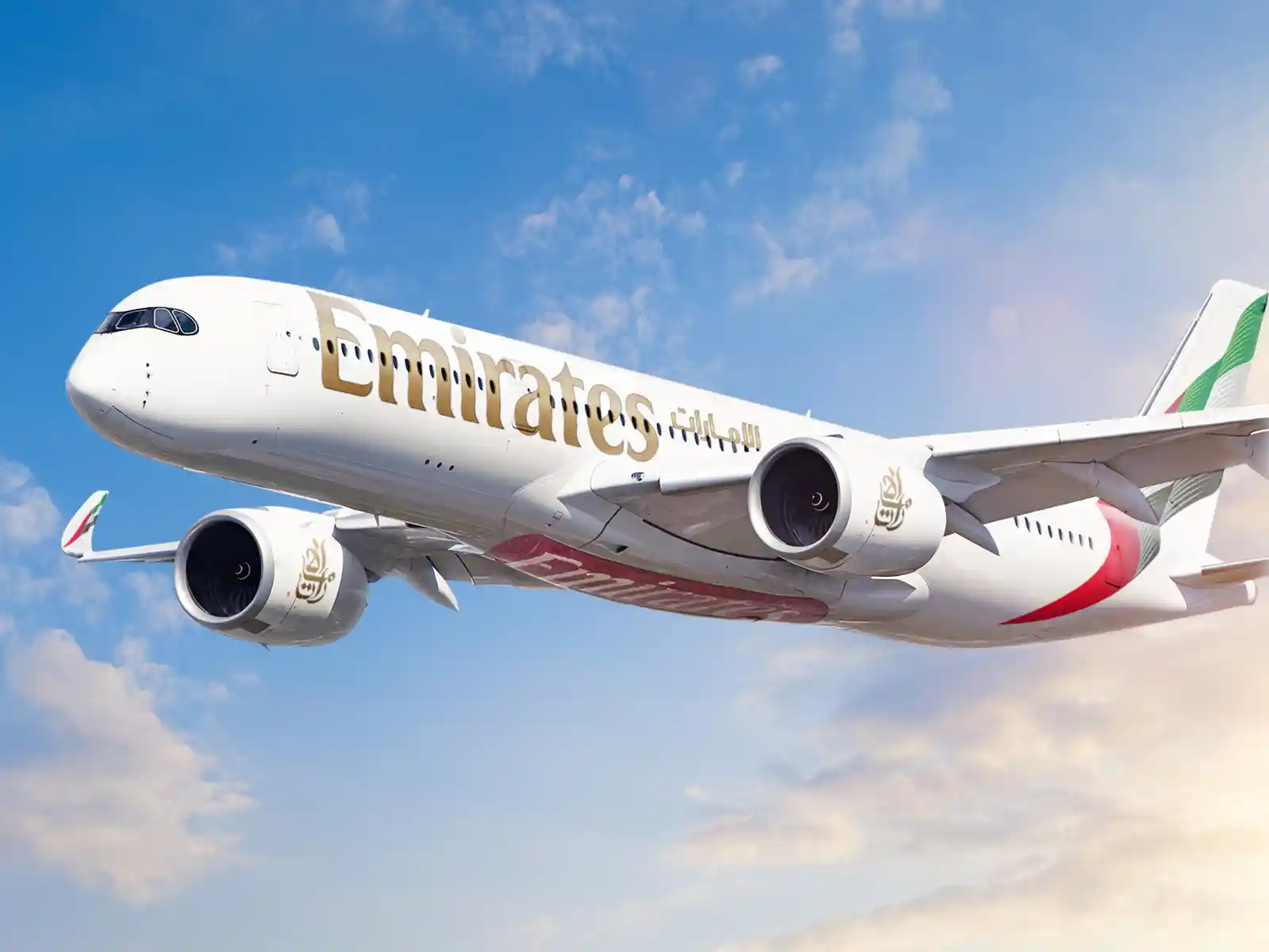
Emirates has long been synonymous with grandeur in commercial aviation, operating the world’s largest fleet of Airbus A380s and Boeing 777s. However, with the increasing presence of the Airbus A350 in its order book and deliveries underway, questions abound: Is the A350 intended to replace the A380? Or is Emirates’ strategy more nuanced than that?
Emirates’ Strategic Fleet Shift: More Than Just Replacement
The aviation industry rarely offers a one-to-one aircraft replacement. Emirates’ adoption of the Airbus A350-900 is not a straightforward substitution of the superjumbo A380. Instead, it represents a significant pivot toward fleet versatility, fuel efficiency, and route flexibility.
By the end of 2024, Emirates had begun receiving its first batch of A350-900s, with 16 delivered by the close of December. The total order now stands at 73 aircraft, signaling a strong commitment to expanding its mid-sized widebody fleet.
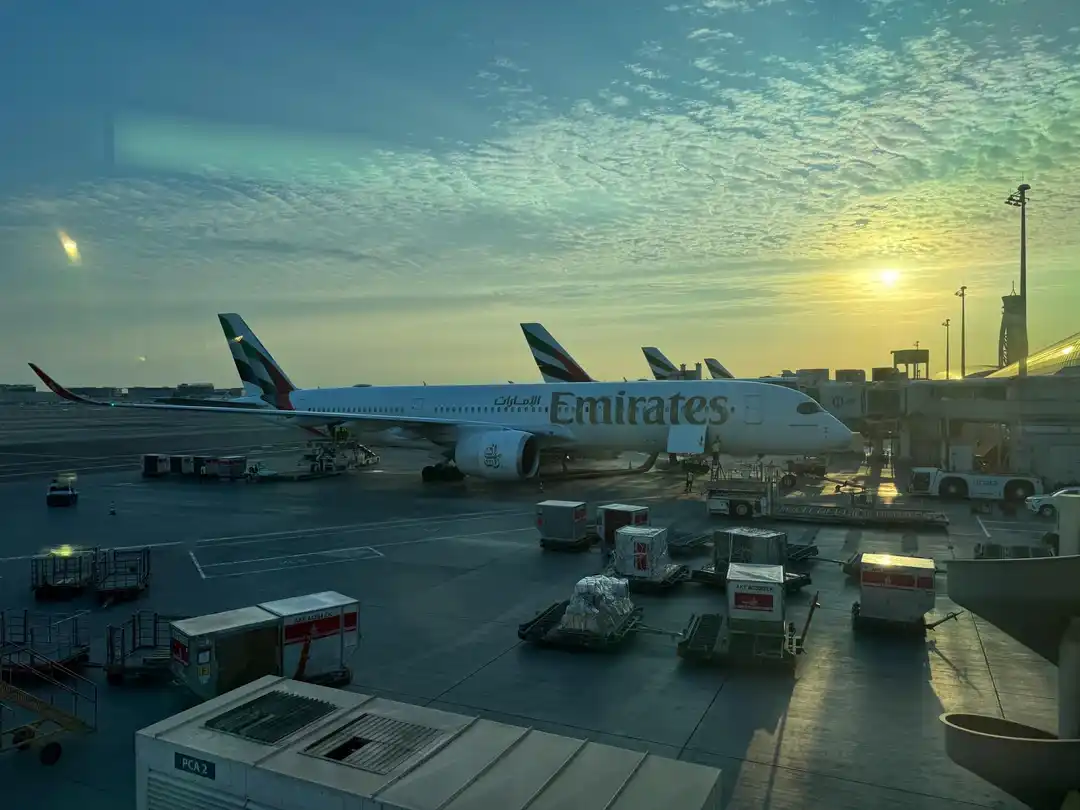
These aircraft are not replacing the A380, but rather complementing it. The A350-900 is tailored for long-thin routes and mid-sized trunk routes, areas where the massive A380 would be operationally inefficient. Its fuel economy and range allow Emirates to serve secondary cities more profitably, creating new market opportunities without compromising on passenger experience.
The Unmatched Legacy of the A380 at Emirates
The A380’s journey in global aviation has been tumultuous. Envisioned as a rival to Boeing’s 747, the A380 faced widespread rejection. Most carriers—including Air France, Lufthansa, and Qatar Airways—found it uneconomical, citing operating costs and market limitations. Many have retired their fleets prematurely, deeming the superjumbo unsustainable.
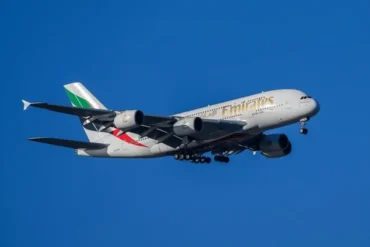
But Emirates stands as a towering exception. Owning nearly half of the 251 A380s ever built, Emirates not only embraced the jet but made it a central pillar of its brand identity and route strategy. As of 2025, the airline is actively reactivating A380s, aiming to operate 110 units by the end of 2026.
Why Emirates Still Loves the A380
Despite global trends, Emirates’ business model is uniquely suited for the A380. With Dubai International Airport (DXB) as its centralized hub and an extensive long-haul network, Emirates can fill A380s to capacity on high-density routes, achieving economies of scale few other airlines can replicate.
CEO Sir Tim Clark has even lobbied Airbus to revive the A380 production line with a new, more efficient variant dubbed the A380neo. Though Airbus has no plans to do so, Emirates’ position remains firm: the A380 is invaluable and irreplaceable on certain trunk routes.
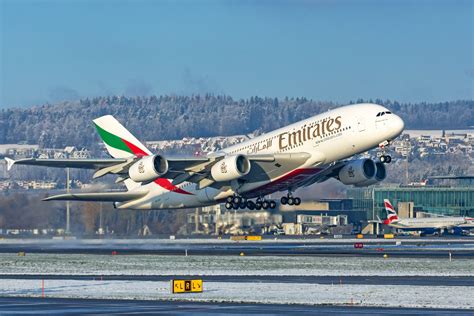
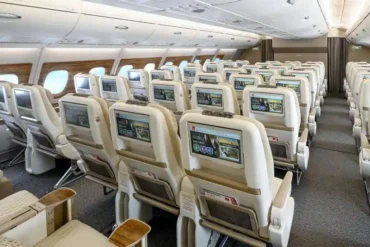
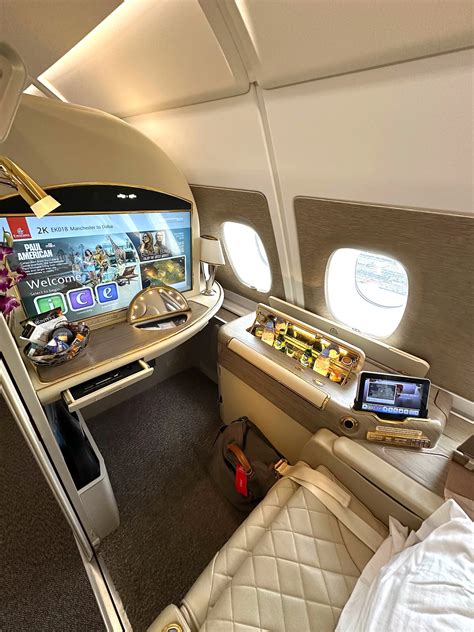
The airline is currently retrofitting A380s with upgraded cabin interiors. Yet, it acknowledges the logistical and mechanical headwinds ahead. The superjumbo was designed for 20 years or 100,000 flight hours, and extending its operational life beyond 2040 will hinge on supply chain resilience and availability of replacement parts.
Airbus A350-1000: A Future Contender, Not Yet Confirmed
Speculation has surrounded Emirates’ interest in the larger Airbus A350-1000, a potential fit for longer, higher-capacity routes. However, Emirates has held off on ordering the type, primarily due to concerns over the durability of the Rolls-Royce Trent XWB-97 engines in Dubai’s extreme climate.
The airline wants further testing and refinements before committing to a large-scale order. Still, the A350-1000 remains in Emirates’ strategic sights, especially if engine performance concerns are addressed.
A Growing Fleet, Not a Shrinking One
Contrary to the idea of replacing the A380, Emirates is expanding its total fleet aggressively. As of November 2025, Emirates operated 269 aircraft, with 375 additional widebodies on order. This makes Emirates’ future fleet plan the largest of any airline globally.
The mix includes:
- 73 Airbus A350-900s
- 270 Boeing 777-9s
- 35 Boeing 787s
- 10 Boeing 777 Freighters
This orderbook isn’t about replacement alone; it’s about modernizing and scaling. The A350 and 787 offer range and efficiency for thinner routes, while the 777-9—the largest twin-engine passenger jet—steps in as the closest functional successor to both the 777-300ER and the A380.
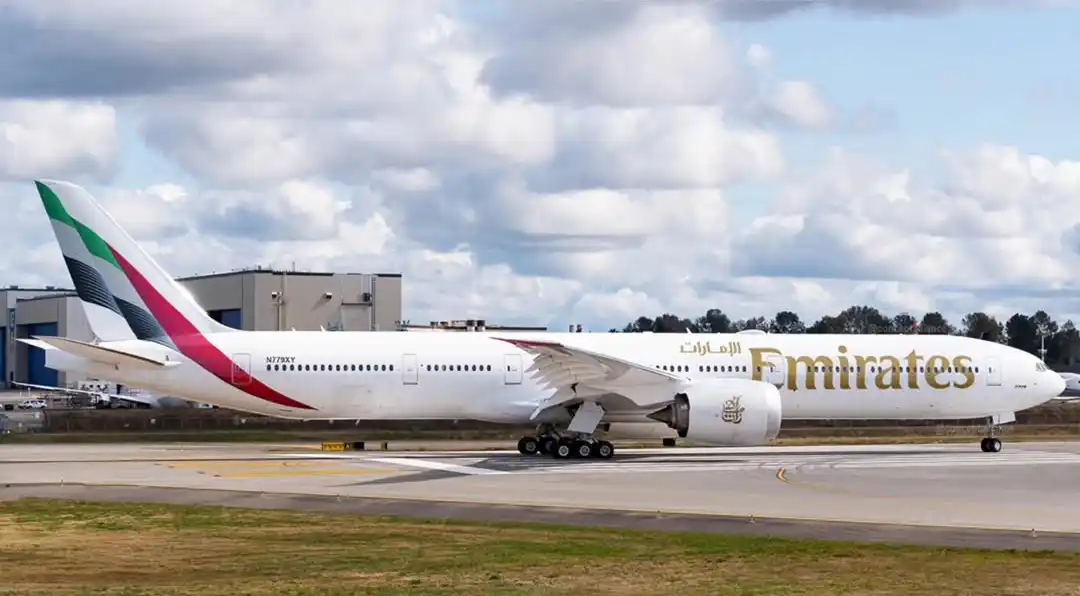
Boeing 777-9: The Closest Successor to the A380
Of all aircraft in Emirates’ pipeline, the Boeing 777-9 comes closest to replicating the A380’s capacity and performance. Though not as large, the 777-9 offers a three-class capacity of around 426 passengers and operates with far greater fuel efficiency.
Emirates has ordered 270 units of the 777-9, more than any other carrier, accounting for over 40% of all 777X orders globally. While the aircraft won’t be operational until at least 2027, its introduction will coincide with the gradual drawdown of older 777-300ERs and eventually some of the older A380s.
This reflects Emirates’ fleet evolution strategy: a phased, multi-type approach, rather than a single-type replacement.
Parallel Operations: A380 and A350 Coexistence Until 2040s
Emirates’ strategy is not to choose between the A380 and A350, but to operate them side by side. The A350-900s will relieve the A380 on thinner or less profitable routes, freeing the superjumbo to focus exclusively on high-demand, long-haul destinations.
The plan, as stated by Clark, is to maintain the A380 in active service until at least the late 2030s, possibly the early 2040s. With retrofitting programs in place and a steady supply of teardown parts, Emirates is preparing for long-term operational resilience of its A380 fleet.
The Multifaceted Replacement Equation
If we define “replacement” strictly, then the A350-900 is not replacing the A380. However, if we widen the scope to functional succession, then the Boeing 777-9 becomes the primary inheritor of the A380’s mantle.
At the same time, route-specific dynamics mean that Emirates will deploy a mix of aircraft to cover former A380 routes:
- A350-900s for long-thin and secondary city routes
- 777-9s for high-capacity long-hauls
- 787s for ultra-long-range flexibility and new markets
This mosaic of widebody aircraft underscores Emirates’ strategy: fleet agility and capacity optimization across a complex and competitive network.
Conclusion: No, But Also Yes
Did Emirates order the Airbus A350 to replace its A380s? No, not directly. The A350 is not a one-for-one substitute and was never intended to be. Yet, it plays a critical role in enabling the airline to phase out some A380 services, ensuring Emirates remains flexible, profitable, and future-ready.
Simultaneously, the Boeing 777-9, though imperfect, is the closest the market offers to an A380 successor. It will likely shoulder the bulk of the A380’s eventual exit, especially post-2035.
For the foreseeable future, Emirates will remain the last stronghold of the A380, a symbol of opulence and strategic defiance in a world that has largely moved on from four-engine giants. But beneath the surface lies a carefully orchestrated fleet evolution, where the A350, 777X, and 787 each play a part in securing Emirates’ dominance in global air travel well into the mid-21st century.