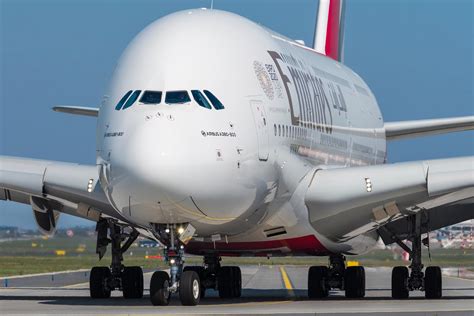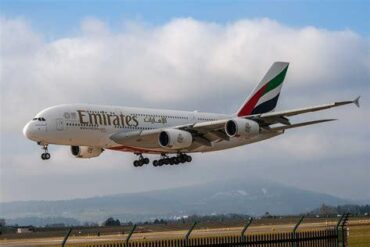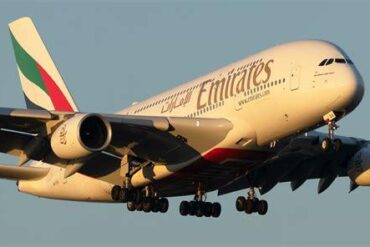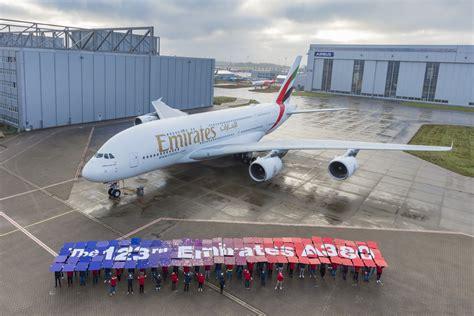
For over a decade, the Airbus A380 has stood as a towering symbol of Emirates’ long-haul supremacy, a flying palace that embodied scale, luxury, and ambition. With more than 100 A380s in its fleet, Emirates built its global identity around this superjumbo, turning it into an airborne hallmark of Dubai’s connectivity. But with Airbus halting A380 production and retirement scheduled from the mid-2030s, the inevitable question has emerged: what aircraft will take its place?
The End of the Superjumbo Era
The A380’s sunset is not merely a technical replacement story—it’s a fundamental reimagining of Emirates’ fleet and its network strategy. The airline is not eyeing a one-size-fits-all successor. Instead, it is embracing a multi-aircraft fleet strategy centered around three primary platforms:
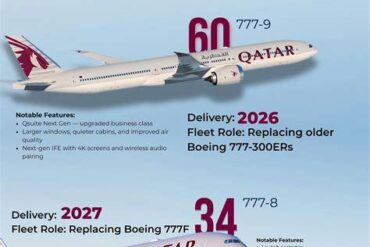
- Boeing 777X (specifically the 777-9)
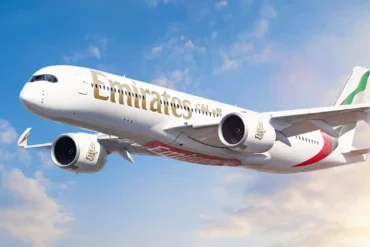
- Airbus A350-900
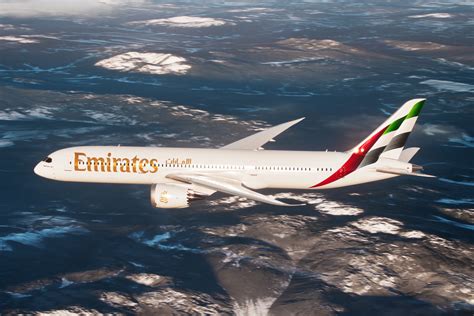
- Boeing 787 Dreamliner (primarily 787-9)
This diversification marks a departure from Emirates’ long-standing operational model that relied almost exclusively on the A380 and the Boeing 777-300ER.
Beyond Capacity: The Shift Toward Strategic Flexibility
The decision to replace the A380 with a combination of aircraft rather than a single high-capacity model reflects deeper industry dynamics. Global aviation has steadily shifted away from four-engine giants toward twin-engine widebodies that offer better fuel efficiency, reduced emissions, and improved economics.
For Emirates, this evolution is both strategic and inevitable. The A380 allowed it to dominate congested hubs like London Heathrow, Sydney, and Hong Kong by transporting hundreds of passengers per flight. However, today’s market demands flexibility over volume.
Operating smaller, more efficient aircraft allows Emirates to:
- Add multiple frequencies per day rather than concentrating demand in one giant flight
- Match capacity to market demand more precisely
- Lower operational risks by avoiding dependency on ultra-large aircraft
The new fleet plan, therefore, is not about finding an equal—it’s about building a more nimble and sustainable future.
Premium Density Still Drives Fleet Choices
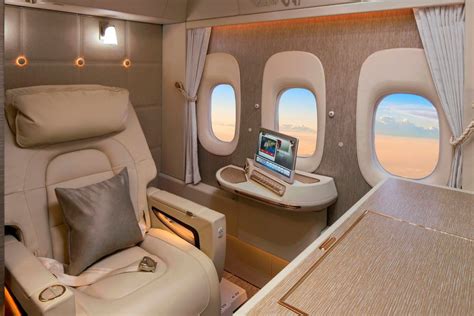
Despite downsizing in aircraft size, premium cabins remain central to Emirates’ identity. The A380’s expansive floor plan enabled Emirates to install multiple first-class suites, lounges, and onboard showers—a signature branding element that helped define its global luxury offering.
Preserving that premium density is non-negotiable. The Boeing 777X, with its wider cabin and longer fuselage, will serve as the premium-heavy trunk route workhorse, ideal for routes like Dubai to London, New York, and Sydney. The Airbus A350, on the other hand, will cater to medium-demand long-haul destinations where first class may be scaled back but business and economy remain strong.
Sir Tim Clark: “The A380 Is Irreplaceable”
Emirates President Sir Tim Clark has made it abundantly clear: there will never be a true A380 successor. The superjumbo was a product of its time, when capacity growth and airport constraints favored a bigger-is-better approach. Today’s environment—defined by sustainability metrics and economic volatility—demands adaptability.
Clark’s statements at the Dubai Airshow 2025 reinforced this vision. Rather than seek a miracle aircraft to fill the A380’s shoes, Emirates doubled down on orders that reflect a modular approach to growth:
- An expanded order of Boeing 777-9 units
- A larger commitment to Airbus A350-900 deliveries
- 35 Boeing 787 Dreamliners, set to enter service by the late 2020s
Each type brings its strengths. The 777-9 delivers capacity and prestige, the A350 ensures reach and efficiency, and the 787 offers versatility for mid-density routes.
Operational Realities and Route Economics
Behind every aircraft order lies an intricate web of route economics. Emirates’ global network is built around long-haul connections through its Dubai hub, where capacity must be paired with frequency control, crew training, parts logistics, and consistent service delivery.
Replacing a single A380 with two aircraft isn’t as simple as duplicating seats. It requires:
- Gate availability at slot-restricted airports
- Additional pilots and flight attendants
- Parallel maintenance and logistics pipelines
This transformation is not without cost. Yet, in the long run, Emirates expects to benefit from:
- Lower fuel burn per seat
- Reduced emissions in line with sustainability targets
- Better fleet utilization across seasonal demand swings
The Lingering Halo of the A380
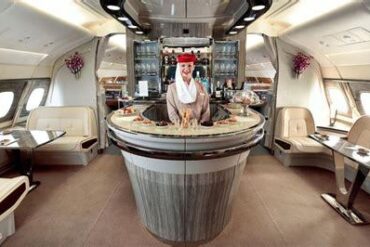
The A380 is more than a machine—it is a marketing platform, a status symbol, a brand ambassador. Its iconic onboard lounge, shower spa, and spacious upper deck gave Emirates an aura unmatched by any competitor.
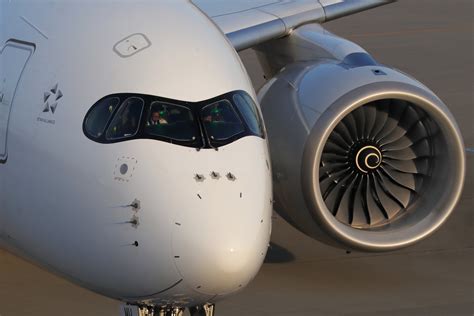
No current aircraft can replicate that glamour entirely. The 777X, while spacious, lacks the two-deck layout that makes lounges and spas practical. The A350 and 787, though efficient, have even less room to accommodate elaborate premium features.
To maintain its halo effect, Emirates must innovate. This could mean:
- Reimagining first class as a more private, immersive space
- Introducing digital personalization as a differentiator
- Elevating service excellence beyond physical features
Strategic Risk: The Limits of Frequency Over Volume
There are undeniable risks in phasing out the A380. On key trunk routes where runway slots are limited, Emirates may struggle to maintain the same seat capacity using smaller aircraft.
Replacing one A380 with two A350s sounds viable until airport congestion, ground handling, and crew logistics come into play. At airports like JFK or LHR, gate space and air traffic control delays make adding frequencies a logistical puzzle.
Moreover, the A380 remains profitable on ultra-high-demand routes. Its removal, if mistimed, could erode yields or create competitive openings for rival carriers.
No Like-for-Like: The A380 Is One of a Kind
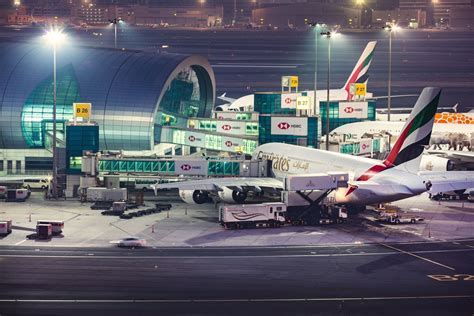
While the Airbus A350-1000, Boeing 787-10, and other long-haul jets offer advanced features, none can match the A380’s trifecta of range, capacity, and luxury. This is precisely why Emirates will continue operating its A380 fleet well into the 2030s.
Some A380s may be phased out as they age, but a core group will remain in service, particularly on routes that demand their unique characteristics. The decision is pragmatic: use the right tool for the job, even if that tool is no longer made.
A New Era of Emirates Fleet Identity
By the late 2030s, the Emirates fleet will look very different:
- A leaner reliance on ultra-large aircraft
- A broader mix of widebodies tailored to route profiles
- Advanced cabins focused on experience over excess
This evolution won’t weaken the Emirates brand. If anything, it strengthens it by aligning with today’s aviation realities—fuel efficiency, carbon accountability, and dynamic market conditions.
Passengers will notice fewer A380s but benefit from:
- More route options
- Faster connections through Dubai
- Consistently high service levels across a diverse fleet
Final Thoughts: The A380’s Legacy Lives On
The A380 may not have a direct heir, but its legacy is secure. Emirates redefined what long-haul luxury could look like, and that vision will endure—just shaped by different aircraft.
As the industry moves toward sustainable aviation, Emirates is once again leading—not by resisting change, but by embracing it with calculated precision. The A380 chapter may be closing, but a new story of strategic growth, premium innovation, and global reach is already unfolding.