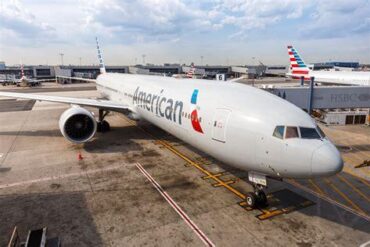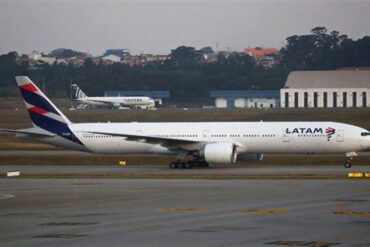
LATAM Airlines is preparing for a transformative leap in its widebody operations, with a strategic evaluation underway to identify a future successor for its fleet of ten Boeing 777-300ERs. Although these aircraft remain relatively young by industry standards—ranging from 12 to 17 years old—the airline is already looking toward the next generation of long-haul giants: Boeing’s 777X and Airbus’s A350-1000.
Speaking at the recent Latin American and Caribbean Air Transport Association (ALTA) annual gathering in Lima, LATAM’s Chief Executive Roberto Alvo confirmed the company’s active interest in these aircraft types but emphasized that any decision will occur well into the next decade.
“We have 10 777-300ERs, and they’re still relatively new aircraft, but at some point in time we’ll have to replace them,” said Alvo. “Probably, the 787 is too small for replacing the -300ER. We will see the 777X. We will see the A350-1000. They are possibilities.”
Strategic Timing: LATAM Is Playing the Long Game
LATAM is not in a rush to retire its existing 777-300ER fleet, which primarily serves long-haul international routes and is currently operated by its Brazilian subsidiary. The decision to replace these aircraft is strategically positioned for the 2030s, giving LATAM ample runway to observe how both Airbus and Boeing deliver on their next-generation offerings.
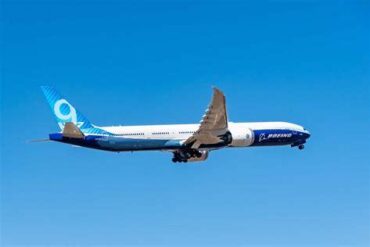
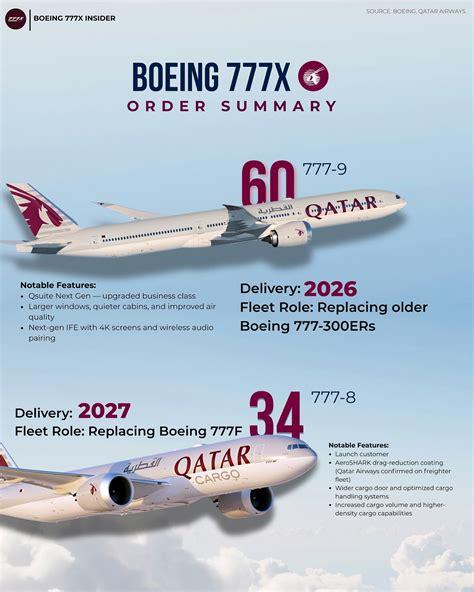
The airline’s approach is clearly cautious but informed, as Boeing’s 777-9, the larger variant of the 777X family, remains uncertified with first deliveries now delayed to 2027. The aircraft was originally slated for certification by 2024, but setbacks have slowed progress significantly. On the other side, Airbus has made tangible progress, recently unveiling the first ultra-long-range A350-1000 for Qantas under its Project Sunrise—a potential milestone that could sway LATAM’s evaluation.
Fleet Dynamics and Operational Considerations
LATAM’s fleet strategy already demonstrates a well-balanced commitment between Boeing and Airbus. The airline operates 37 Boeing 787 Dreamliners, with more scheduled for delivery, and maintains a robust short-haul presence through its A320-family narrowbody aircraft.
According to Alvo, the 787-9 Dreamliner has proven to be a strong performer, but it lacks the necessary capacity to directly replace the 777-300ER. While LATAM is content with its 787 deliveries from Boeing’s Charleston facility, the ramp-up to pre-pandemic production levels remains a work in progress. Boeing currently produces seven 787s monthly, with a target of eight per month by year-end—still short of the previous output of 14.
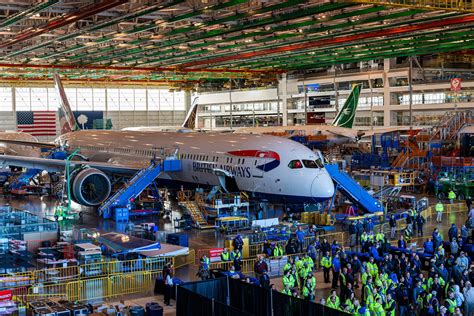
“It was important to get Boeing back on its feet, and we’re seeing that,” Alvo noted, acknowledging a greater sense of stability in Boeing’s production ecosystem. “We’re very happy with Dreamliner. The 787-9 is a great aircraft.”
Still, with 17 additional Dreamliners on order and five more on option, LATAM is clearly reserving judgment on whether to remain aligned with Boeing or lean toward Airbus for its next widebody flagship. The A350-1000, with its enhanced range and passenger capacity, could potentially offer operational efficiencies and route flexibility that align with LATAM’s post-pandemic expansion goals.
The Widebody Future: 777X vs. A350-1000
Both aircraft under consideration bring distinct advantages to the table:
- Boeing 777X (777-9)
- Seating capacity of 426 passengers in typical 2-class configuration
- Range of up to 13,510 km (8,390 mi)
- Foldable wingtips and new GE9X engines for fuel efficiency
- Airbus A350-1000
- Seating capacity of 350-410 passengers
- Range of 16,100 km (10,000 mi) in ultra-long-range variants
- Rolls-Royce Trent XWB-97 engines and composite materials for weight savings
While LATAM has not yet indicated a preference, the market’s reception of both aircraft will likely influence the airline’s final decision. Airbus’s early lead in delivering ultra-long-haul variants may offer a first-mover advantage, but the eventual certification and performance metrics of the 777X could sway carriers seeking Boeing continuity.
Conclusion: A Pivotal Decision in LATAM’s Fleet Evolution
The evaluation of the 777X and A350-1000 is more than a matter of replacing aging aircraft; it is a reflection of LATAM’s broader ambitions to reinforce its position as the premier long-haul carrier in Latin America. With an eye on fleet commonality, operational economics, fuel efficiency, and global reach, the airline is engaging in one of its most consequential fleet decisions of the next decade.
For now, LATAM will continue flying its current 777-300ERs, while keeping a sharp watch on Boeing’s progress with the 777X and Airbus’s performance with the A350-1000. In the dynamic arena of global aviation, the next-generation flagship aircraft LATAM selects will define its competitive edge well into the 2040s.