The Boeing 767 has long stood as a pillar of versatility in the widebody aircraft category, capable of operating across short regional hops and long-haul transcontinental flights. Yet among its global operators, British Airways (BA) developed a reputation for fielding a fleet of Boeing 767-300ERs that diverged significantly from the norm. These aircraft were not simply alternative configurations—they were strategically engineered outliers, marked by bold decisions in engine selection, structural adaptations, and mission flexibility.
The Origin of a Game-Changer: Boeing 767’s Development
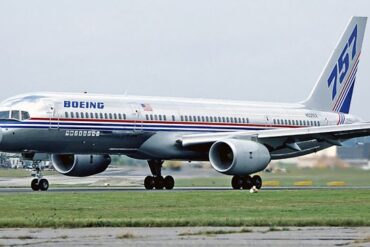
Emerging from the economic pressures of the late 1970s, the Boeing 767 was Boeing’s answer to airline demands for a fuel-efficient widebody with enough range to cross oceans while remaining economical on shorter legs. Designed to bridge the gap between the narrowbody 737 and the jumbo 747, the 767 brought innovation to the cockpit as well, debuting a two-crew glass cockpit that removed the need for a flight engineer. This simplified flight deck was mirrored in the Boeing 757, allowing airlines to interchange crew seamlessly and reduce operational costs.
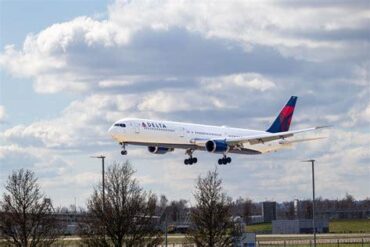
When the 767-300ER launched in 1988 with American Airlines, it quickly became the family’s most commercially successful variant. Airlines embraced its long-range capabilities and efficiency, especially for transatlantic routes, where it replaced aging tri- and quad-engine aircraft. By the early 1990s, the 767-300ER had become the backbone of medium-to-long-haul operations globally.
British Airways’ Entry: A Fleet That Broke Convention
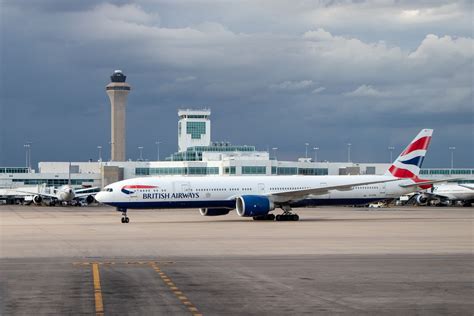
In 1990, British Airways introduced the Boeing 767-300ER to its fleet, acquiring a total of 28 aircraft, making it one of Europe’s largest operators of the type. Initially, these jets were deployed on transatlantic routes from London Heathrow to key North American cities. The aircraft fit perfectly into BA’s strategy—offering widebody comfort and long-haul range but at a lower operational cost compared to the behemoth Boeing 747s that dominated the airline’s fleet.
The 767 allowed British Airways to open new routes and experiment with “thinner” markets, where demand was sufficient for a widebody, but not enough to justify a jumbo jet. Over time, as the airline introduced newer aircraft like the Boeing 777 and 787, the 767s were reassigned to shorter European routes, showcasing their exceptional operational flexibility.
A Singular Decision: Rolls-Royce RB211 Engines
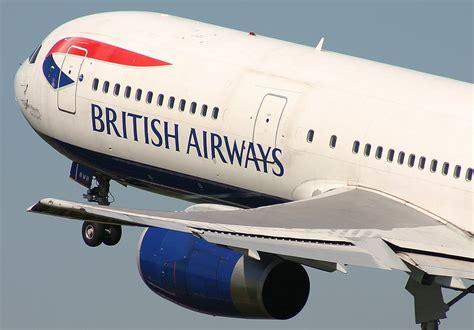
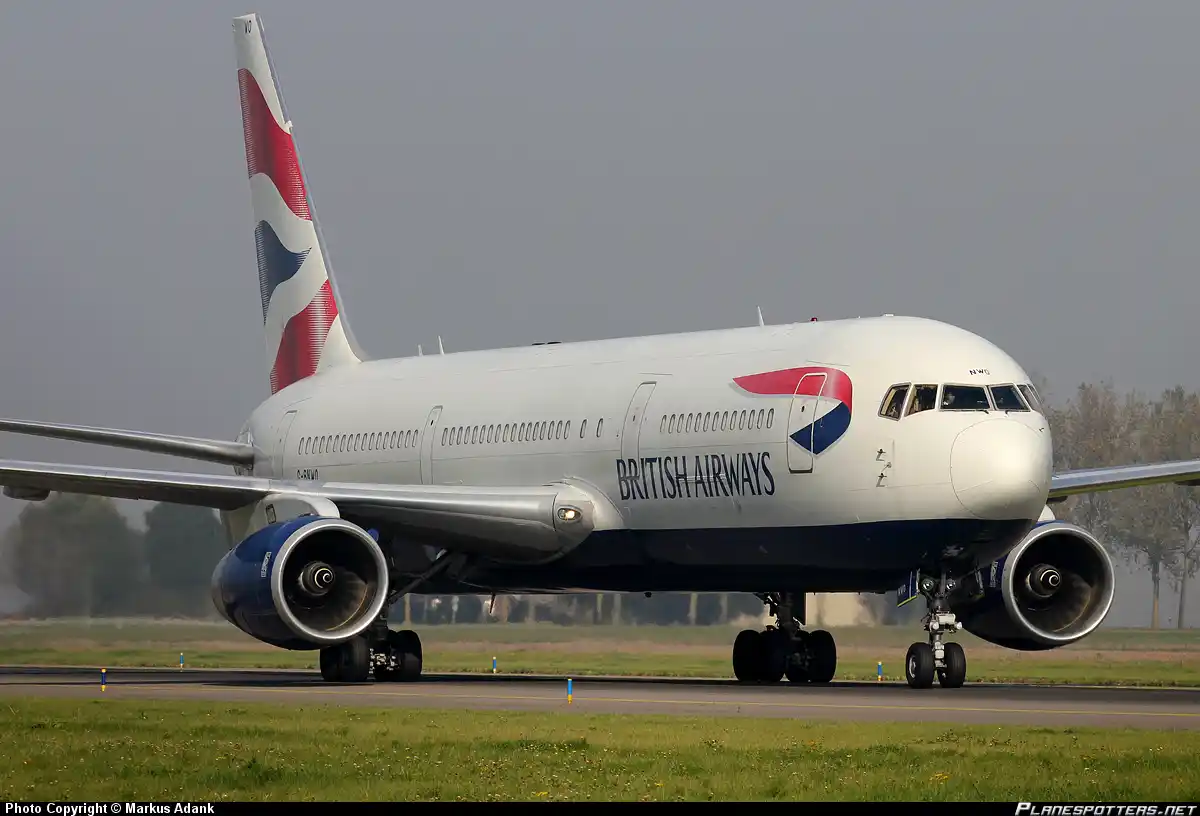
What truly made British Airways’ 767s stand out mechanically and visually was the choice of engine. While most airlines opted for General Electric CF6-80C2 or Pratt & Whitney PW4000, BA selected the Rolls-Royce RB211-524H—a high-thrust engine producing between 59,000 and 60,500 pounds of thrust. BA became the largest and virtually only major airline to operate this engine on the 767-300ER.
This decision was not purely about performance—it was strategic fleet harmonization. British Airways already operated RB211-powered Boeing 747-400s and 757s, making the choice a logical step toward streamlining maintenance, training, and spare parts inventory. The shared engine family allowed for economies of scale, even if it meant deviating from the more globally supported engine options.
Despite the internal logic, the RB211 never gained traction on the 767 beyond BA. Most operators favored the more common engines due to wider service networks, stronger aftermarket support, and higher production volumes. As a result, BA’s 767s became technical anomalies, requiring tailored maintenance infrastructure.
Engineering the Difference: Structural Reinforcements
The RB211 engine’s increased weight created significant structural challenges. The heavier powerplant exerted greater loads on the aircraft’s wings and engine pylons, necessitating unique structural reinforcements on British Airways’ 767s. This included strengthened pylons, engine mounts, and reinforced wing components.
Early service inspections uncovered issues tied to these elevated stresses, leading to additional engineering interventions and enhanced inspection regimes. While these problems were effectively mitigated, they highlighted the limits of the 767 airframe under such configurations. Other operators using lighter engines did not require such extensive modifications, reinforcing the idea that BA’s aircraft had become a distinct subvariant within the broader 767 family.
A Globally Rare Configuration
Outside of British Airways, very few 767-300ERs were ever fitted with Rolls-Royce RB211 engines. This near-monopoly made BA’s fleet exceptionally rare. Consequently, leasing companies, maintenance firms, and spare parts suppliers concentrated their efforts on the more common CF6 and PW4000 engines.
This lack of shared infrastructure further isolated BA’s RB211-powered 767s, limiting their resale value, reducing maintenance flexibility, and complicating third-party support. For BA, however, the internal consistency across fleets outweighed these concerns. The airline doubled down on a highly customized, internally optimized approach, even as it diverged from industry norms.
Engine Specs Comparison:
| Engine Model | Max Thrust (lbf) | Bypass Ratio | Fan Diameter (in) | Cruise SFC (lb/lb/hr) |
|---|---|---|---|---|
| CF6-80C2 (GE) | 52,500–63,500 | 4.97–5.31:1 | 93 | 0.32–0.34 |
| PW4000-94 (Pratt) | 50,000–62,000 | 4.8–5.0:1 | 94 | Slightly more efficient early on |
| RB211-524H (Rolls-Royce) | 59,000–60,500 | 4.1–4.3:1 | 86.3 | 0.34–0.36 |
A Fleet That Defined Operational Versatility
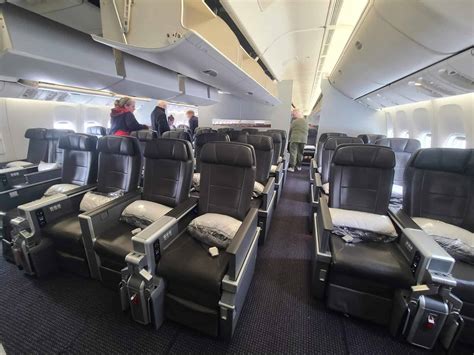
British Airways’ RB211-powered 767s were not only unique mechanically but also strategically versatile. Over their nearly 30-year service life, they transitioned seamlessly from transatlantic workhorses to high-capacity European haulers. This adaptability underscored both the engineering flexibility of the 767 and the strategic foresight of BA’s fleet planning team.
During the 1990s and 2000s, these aircraft became fixtures on high-frequency North American routes and were equally prominent on busy European legs, such as London to Frankfurt or Paris. Their ability to provide a widebody passenger experience on routes that couldn’t support a 747 made them indispensable.
Legacy of a Technically Distinct Workhorse
British Airways retired the Boeing 767-300ER in 2018, closing the chapter on a fleet that had embodied technical ingenuity and operational pragmatism. The RB211-powered 767s will be remembered not just for their engine sound or visual profile, but for how they represented a unique philosophy—designing aircraft configurations not for mass appeal, but for fleet coherence and strategic execution.
The long-term impact of BA’s decision is twofold: while it created support complexity and resale limitations, it also delivered decades of streamlined operations, consistent training, and adaptable aircraft deployment. Today, British Airways’ 767-300ERs are viewed by aviation professionals and enthusiasts alike as one of the most unusual yet successful adaptations of the Boeing 767 platform ever fielded by a major carrier.
Their legacy is not just etched in flight logs, but in the strategic daring it took to defy convention—and make it work.