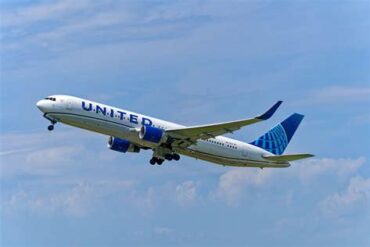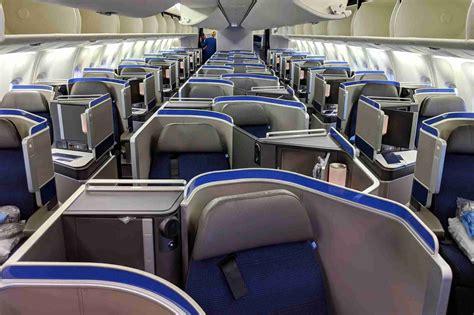
United Airlines has built its reputation not only through its global footprint and exceptional service but also through the strategic deployment of its aircraft. At the center of this calculated aviation strategy sits the Boeing 767, a wide-body jet that has served as both a transatlantic workhorse and a high-capacity domestic connector for decades.
The Boeing 767’s flexibility and capability to balance fuel efficiency with payload make it a vital component of United’s operations. Though the fleet is aging and eventually set for retirement, the role this aircraft continues to play in United’s vast network is anything but obsolete.
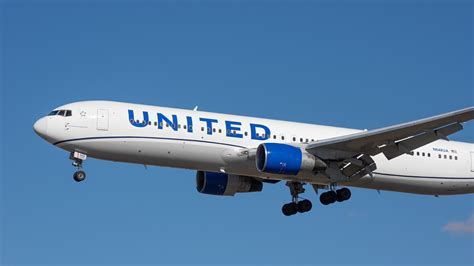
The Boeing 767: A Closer Look at the Aircraft’s Core Features
The Boeing 767 is a twin-engine, wide-body aircraft that first took flight in the early 1980s. As one of the pioneering aircraft to earn ETOPS certification, it enabled extended twin-engine flights over oceans—forever reshaping global air travel. Designed with a supercritical wing and high-bypass turbofan engines, the 767 offered greater fuel efficiency than its predecessors while being large enough to meet international travel demand.
Its cabin design—seven seats across in a 2-3-2 configuration—strikes a rare balance between comfort and efficiency. The result? High revenue per flight with lower operating costs, particularly across the North Atlantic.
United Airlines’ Fleet: Where the 767 Fits In
United operates the largest active fleet of any global airline, totaling over 1,000 aircraft. This includes:
- Narrow-body aircraft: Airbus A320 family, Boeing 737 models (including MAX)
- Wide-body aircraft: Boeing 757s, 767s, 777s, and the newer 787 Dreamliners
While the Boeing 787 is poised to take the future helm of United’s long-haul missions, the 767 continues to bridge the gap between United’s legacy fleet and its forward-facing modernization plan, known as “United Next”.
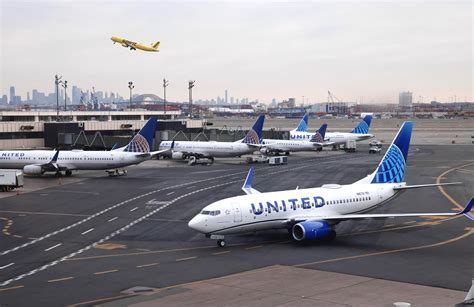
The Role of the Boeing 767 in United’s Operational Strategy
United currently operates 13 Boeing 767-300ERs and 16 Boeing 767-400ERs. These aircraft are primarily tasked with:
- Transatlantic flights to medium-demand European cities
- High-volume transcontinental routes in the U.S.
- Key connections between United’s major hubs, such as Newark, San Francisco, and Chicago
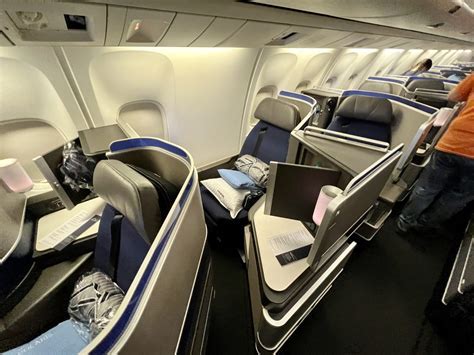
Despite newer jets entering the fleet, these 767s are configured to deliver maximum revenue through premium seating, including United’s Polaris Business Class, Premium Plus, and Economy cabins. Their 200–250 seat capacity and range of up to 5,980 nautical miles allow them to serve both coast-to-coast and mid-length international markets with high-yield potential.
Strategic Strengths of the Boeing 767 in United’s Network
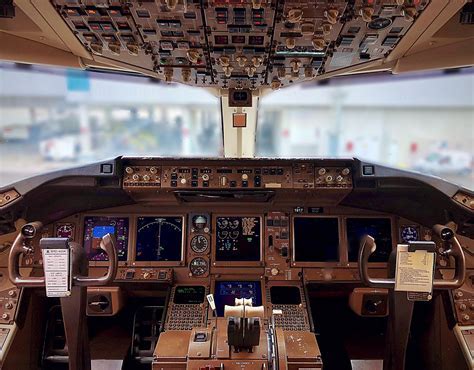
The aircraft’s glass cockpit, shared with the Boeing 757, provides crew interoperability that lowers training and transition costs. Its ETOPS certification allows access to thinner, high-yield international routes—critical markets where larger aircraft would be uneconomical.
Moreover, the cargo capacity of the 767 enables United to supplement passenger revenue with freight income, especially on routes with limited belly cargo space.
Key Strategic Advantages:
- Versatile Route Coverage: Suited for mid-range transatlantic and premium domestic routes
- Operational Flexibility: Crew commonality with 757s; capable of substituting other wide-bodies
- Premium Revenue Optimization: Business-class heavy configurations increase per-seat profitability
- Fuel Efficiency: Competitive fuel economy for its age and range class
- Cargo Profitability: Enhanced underbelly freight capacity on passenger routes
Long-Haul Reliability and Premium Route Performance
The Boeing 767 shines brightest on routes like Newark to Dublin, Washington Dulles to Dakar, and Los Angeles to New York JFK, which are business-heavy and demand comfort. These are premium routes where Polaris-class seating, lie-flat beds, and inflight Wi-Fi are not luxuries—they are expectations.
The aircraft’s ability to operate in a wide array of airports with limited infrastructure also allows United to access international destinations that would be cost-prohibitive with larger wide-bodies like the 777.
A Look Ahead: Transitioning to the Dreamliner Era
United has made no secret of its intentions: the 767 will eventually be retired, with the airline targeting 2030 as the sunset year for these dependable jets. In their place, United plans to phase in over 500 Boeing 787 Dreamliners, offering a more fuel-efficient and technologically advanced experience.
However, this transition is not abrupt. The 767 remains a cornerstone for many transatlantic services and continues to backstop international operations while Dreamliner deliveries progress. Until the full complement of 787s enters service, the 767 provides vital service continuity.
Future Aircraft Investments:
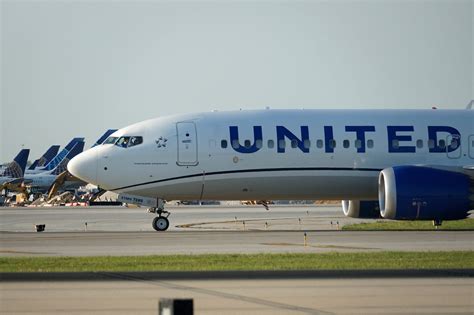
- Boeing 787: Replacing 767s and 757-200s; modern cabin and fuel savings
- Airbus A321XLR: Long-range narrowbody to launch new point-to-point routes
- Starlink Wi-Fi: Improved onboard connectivity across entire fleet
- Boom Supersonic & Archer EVTOL: Investment in next-gen air mobility
Why United Still Needs the Boeing 767—For Now
United Airlines’ high-revenue international and domestic markets continue to rely on the Boeing 767’s unique blend of capacity, range, and premium seating. Although modern jets are more efficient, fleet diversity remains critical to matching aircraft to the specific demand profile of each route.
Whether operating out of Newark on a red-eye to London or serving high-density transcon flights from LAX, the 767 still delivers where it matters most: profitability, passenger comfort, and route flexibility.
The aircraft has also allowed United to expand its African footprint, such as with new service to Dakar—a mission uniquely suited to the 767-300ER’s performance envelope.
Final Thoughts: The 767’s Legacy and Lasting Value
While its retirement is on the horizon, the Boeing 767 remains a vital, revenue-generating machine in United’s fleet. It continues to offer a cost-effective solution for select high-demand routes that are not yet ready for Dreamliner deployment.
United’s ability to stretch the utility of this aircraft across its hub-and-spoke system, while also preparing for a more modern future, highlights the carrier’s fleet management expertise. For now, the 767 stands as both a nod to United’s past and a bridge to its next generation of service.
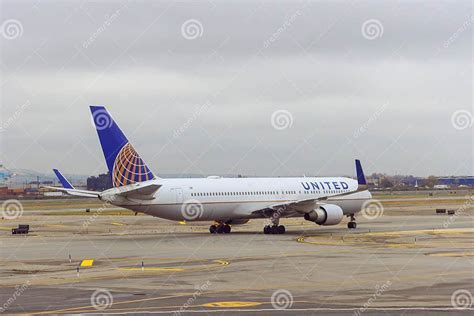
By the time the last 767 leaves United’s tarmac, it will have flown millions of passengers across the world, generated billions in revenue, and earned its place in the legacy of global aviation. The Boeing 767 is not just an aircraft for United—it is a strategic asset, a transatlantic veteran, and a loyal servant to one of the world’s most ambitious carriers.