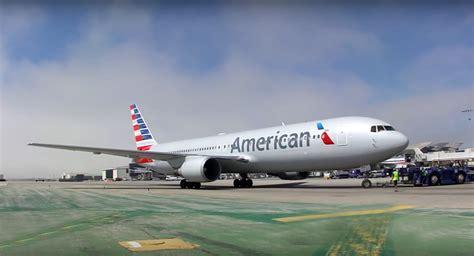
In April 2020, American Airlines made a bold yet controversial decision to retire several aging aircraft types from its fleet, including the Boeing 767-300ER, as part of a cost-saving and modernization initiative accelerated by the COVID-19 pandemic. While this fleet restructuring was intended to streamline operations, reduce maintenance costs, and improve fuel efficiency, the aftermath revealed a deeper operational gap that continues to impact the airline.
The Accelerated Exit of the Boeing 767-300ER Fleet
In the early months of 2020, global air travel came to a near standstill as countries imposed strict lockdowns and travel bans to curb the spread of COVID-19. Anticipating a prolonged downturn in demand, American Airlines announced the retirement of multiple aircraft types on April 30, 2020, including its fleet of 17 Boeing 767-300ERs.
The 767-300ER had been a cornerstone of American’s long-haul operations since its introduction in 1988, serving transatlantic routes and select domestic, Hawaiian, and Latin American destinations. Despite their age, these aircraft provided essential capacity for widebody operations at a time when newer replacements were still years away from delivery.
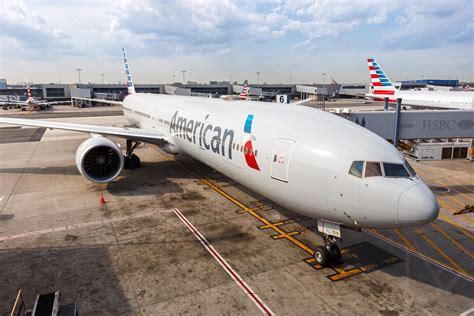
Along with the 767-300ER, American also retired its Airbus A330-300s, Boeing 757-200s, Embraer E190s, and Bombardier CRJ200s as part of a broader fleet simplification strategy. The goal was to cut costs, eliminate maintenance-intensive aircraft, and shift toward a more fuel-efficient, modern fleet.
The Unintended Consequences of Fleet Downsizing
At the time of the announcement, American Airlines justified the decision as a prudent response to the economic uncertainty wrought by the pandemic. However, as passenger demand rebounded far quicker than many industry analysts predicted, the airline found itself grappling with a significant shortage of widebody aircraft.
While older aircraft like the 767-300ER required costly upkeep and lacked modern cabin amenities, they were still highly capable long-haul workhorses. Their retirement created an immediate capacity gap, particularly on transatlantic routes where demand surged back by 2022.
The Airbus A330-300s, which were also retired, were seen by many frequent flyers and aviation experts as more comfortable and better equipped than the 767s. Nevertheless, their early exit compounded the airline’s shortage of widebody jets.
The Boeing 767-300ER: A Legacy of Reliability and Versatility
The Boeing 767-300ER was a pivotal aircraft in the evolution of transatlantic and long-haul travel for American Airlines. Introduced as an extended-range variant in 1986, the 767-300ER offered greater range and payload capabilities, making it ideal for routes that required both flexibility and endurance.
Key Specifications of the Boeing 767-300ER:
- Seating Capacity: Up to 290 passengers (1-class) or 210 (3-class)
- Range: 5,980 nautical miles (11,070 km)
- Maximum Take-Off Weight: 412,000 lbs
- Cruise Speed: 459–486 knots (528–559 mph)
- Service Ceiling: 43,100 feet
- Engines: Pratt & Whitney PW4000, General Electric CF6, or Rolls-Royce RB211, producing up to 61,500 lbs of thrust
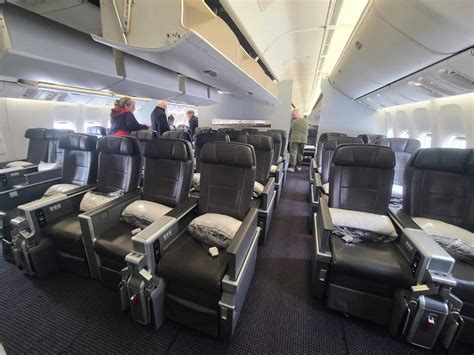
These specifications allowed the aircraft to operate long-haul routes efficiently while offering airlines operational flexibility. Despite its reliability, the 767-300ER lacked modern cabin comforts, such as personal in-flight entertainment screens in economy class, a feature increasingly demanded by today’s travelers.
The Market Rebound and Growing Demand for Widebody Capacity
As the pandemic eased, global passenger traffic rebounded rapidly. According to the Air Transport Action Group (ATAG), airlines carried approximately 4.4 billion passengers in 2023, with projections exceeding 5 billion passengers in 2024. Major hubs like Manchester Airport (MAN) in the UK reported surpassing pre-pandemic traffic levels by early 2023.
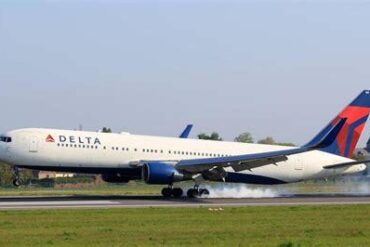
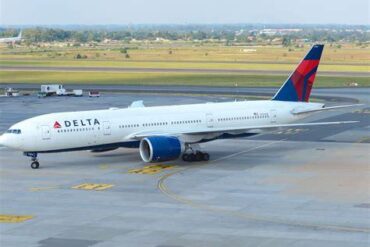
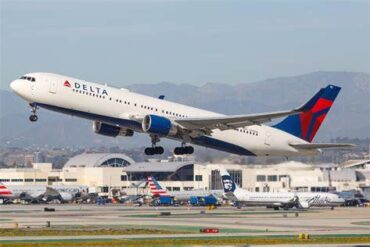
For American Airlines, this sudden resurgence of demand exposed the vulnerability of having retired its widebody fleet prematurely. Competitors like Delta Air Lines, which retained a substantial fleet of 767-300ERs, were better positioned to capture market share on long-haul routes, while American scrambled to fill the gap through partnerships and joint ventures.
Supply Chain Strains and Delivery Delays Exacerbate the Problem
The challenges faced by American Airlines were compounded by global supply chain disruptions and production delays at Boeing. The pandemic-induced slowdown in aircraft manufacturing, coupled with well-documented quality control issues and delayed certifications, meant that replacements for the retired 767s, such as the Boeing 787 Dreamliner, were slow to arrive.
Moreover, American had canceled an order for 20 Airbus A350s in 2018, further narrowing its options for replenishing widebody capacity. In hindsight, this decision left the airline exposed as demand returned faster than anticipated.
Delta’s Contrasting Approach and Continued 767-300ER Operations
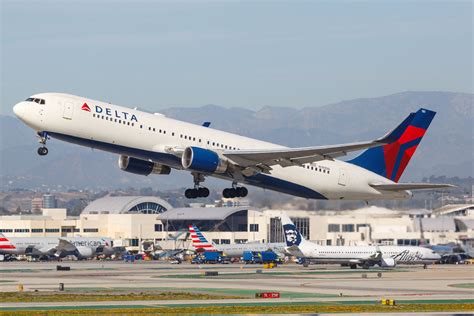
Unlike American, Delta Air Lines maintained its fleet of 45 Boeing 767-300ERs well into the post-pandemic recovery period. While Delta plans to retire its 767s by 2030, the aircraft continues to generate revenue on transatlantic and premium leisure routes.
This strategic contrast highlights the delicate balance airlines must strike between modernizing fleets and retaining operational capacity. In Delta’s case, the decision to extend the 767-300ER’s service life allowed the airline to capitalize on resurgent demand while waiting for newer aircraft to arrive.
Was American Airlines’ Decision Premature?
The retirement of the 767-300ER fleet may have aligned with American Airlines’ long-term efficiency and sustainability goals, but the short-term operational impact has raised questions among analysts and aviation insiders.
Notably, Air Canada recently reactivated two 767-300ERs from storage to cope with rising passenger demand, demonstrating that the aircraft remains economically viable in the right conditions. This raises doubts about whether American Airlines could have extended the service life of its 767s to better weather the volatile post-pandemic recovery.
Additionally, the global pivot towards narrow-body aircraft with extended range, such as the Airbus A321XLR, is reshaping the long-haul market. While these aircraft offer impressive efficiency, they cannot fully replace the capacity of widebody jets on high-demand routes.
The Broader Implications for Fleet Management
American Airlines’ experience with the 767-300ER retirement underscores the complexities of fleet planning in an unpredictable industry. Accelerated retirements may offer immediate savings but risk leaving airlines underprepared for unexpected demand surges.
Given the supply chain challenges, delayed aircraft deliveries, and persistent demand growth, American’s decision highlights the importance of flexible fleet strategies that account for both market volatility and technological transitions.
In retrospect, retaining a portion of the 767-300ER fleet as a transitional buffer could have alleviated some of the capacity shortfalls. Instead, the airline has had to rely on codeshare agreements and partnerships within the Oneworld Alliance to maintain service levels on key international routes.
Conclusion: A Cautionary Tale of Timing and Market Dynamics
The story of American Airlines and its retired Boeing 767-300ERs is not merely about aging aircraft—it is a case study in strategic timing, market unpredictability, and the ever-present tension between modernization and operational readiness.
As competitors adapt with more flexible fleet compositions and cautiously phased retirements, American Airlines faces the challenge of rebuilding widebody capacity while ensuring that the lessons from the 767-300ER retirement inform future decisions. The next few years will reveal whether the airline can successfully bridge this gap or continue to grapple with the aftershocks of its premature fleet reduction.