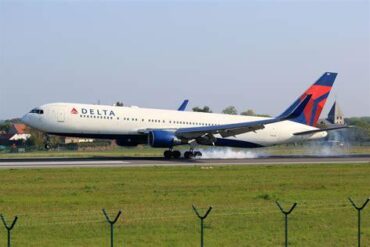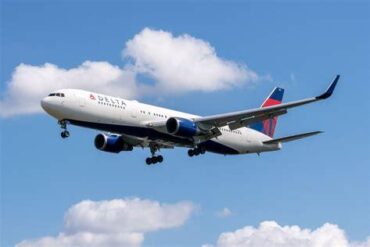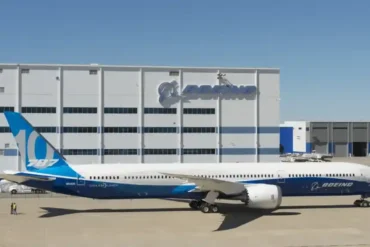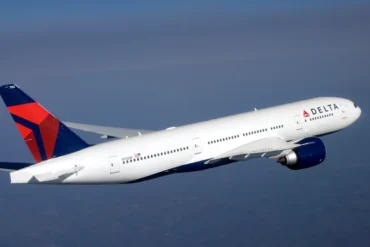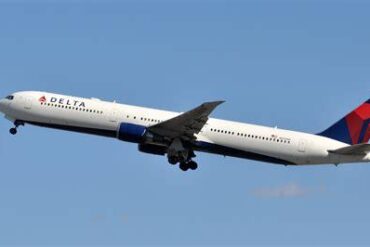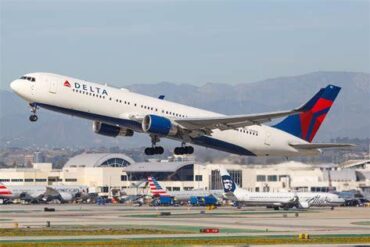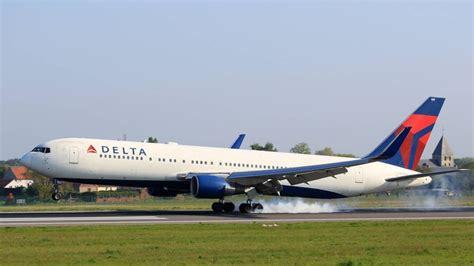
For more than three decades, the Boeing 767-300ER has been a defining aircraft within the fleet of Delta Air Lines, quietly linking continents while serving as one of the airline’s most versatile long-haul workhorses. From transatlantic flights between New York and Europe to medium-density intercontinental routes, the twin-engine widebody proved remarkably adaptable. Yet the aviation industry rarely stands still. Technological leaps, rising operational costs, and evolving passenger expectations eventually force even the most reliable aircraft into retirement.
Delta has now formally committed to retiring its entire Boeing 767-300ER fleet by 2030, with international long-haul services scheduled to end by 2028. The decision represents more than the removal of an aging aircraft type; it signals a major transformation in how Delta plans to operate its global network in the coming decades.
This fleet transition reflects the intersection of economics, technology, environmental policy, and passenger experience. As the airline introduces new-generation widebody aircraft such as the Airbus A350 and A330neo, the long-standing role of the 767-300ER gradually fades, closing an important chapter in modern aviation history.
The story behind this retirement involves far more than aircraft age. It is a detailed strategic shift driven by fuel efficiency improvements, operational complexity, maintenance economics, and the relentless demand for better onboard experiences.
The Boeing 767-300ER: A Workhorse That Defined an Era
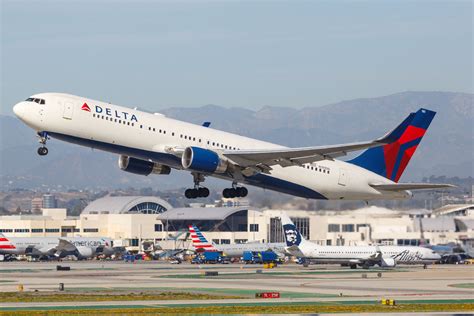
When Boeing introduced the 767 family in the early 1980s, it fundamentally reshaped long-haul aviation. The aircraft was among the first widebodies designed around Extended-range Twin-engine Operational Performance Standards (ETOPS)—regulations that allowed twin-engine jets to fly long oceanic routes previously dominated by three- or four-engine aircraft.
Delta quickly recognized the aircraft’s potential. The airline began operating the Boeing 767-200 in 1982, marking the beginning of a decades-long relationship with the type. The aircraft allowed airlines to replace fuel-hungry tri-jets and quad-jets on transatlantic routes with a more economical twin-engine design.
The evolution continued through the mid-1980s, when Delta added the Boeing 767-300, followed later by the extended-range 767-300ER variant. The latter became particularly valuable because it combined moderate passenger capacity with intercontinental range, making it ideal for routes that were too large for narrow-body aircraft but too small to justify larger widebodies.
Throughout the 1990s and early 2000s, the aircraft formed the backbone of many transatlantic services. Cities like Atlanta, Boston, and New York saw consistent deployments of the 767-300ER to European destinations such as London, Paris, and Rome.
Unlike larger widebodies designed for high-density trunk routes, the 767-300ER thrived in the middle ground. It allowed airlines to open new long-haul city pairs with manageable financial risk while maintaining the comfort of a widebody cabin.
An Aging Fleet Reaches the End of Its Economic Life
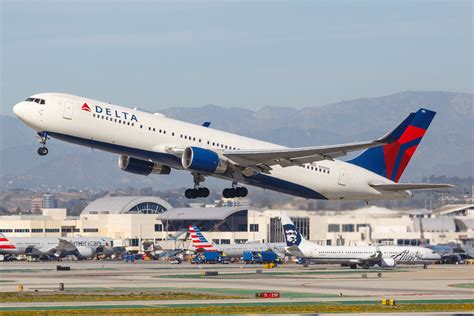
By 2026, the average age of Delta’s 37 Boeing 767-300ER aircraft approaches three decades, placing them among the oldest widebodies still operating within a major global airline fleet. While commercial aircraft can remain airworthy for much longer periods, economics rather than engineering typically determines retirement timing.
Aircraft maintenance costs increase non-linearly with age. As structural fatigue accumulates and systems age, airlines must conduct more frequent inspections, replace components more often, and spend more time keeping aircraft compliant with safety regulations.
This creates a compounding cost curve.
An older widebody does not merely require routine maintenance; it demands extensive structural checks, avionics updates, corrosion inspections, and increasingly rare spare parts. Suppliers eventually discontinue production of certain components, forcing airlines to rely on secondary markets or custom fabrication.
Even when maintenance is technically feasible, the economic case weakens when compared to newer aircraft that deliver dramatic efficiency improvements.
Fuel consumption remains the largest variable cost in airline operations, particularly on long-haul flights. The 767-300ER was efficient for its era, but modern widebodies have leapfrogged it with advanced aerodynamics, lighter materials, and more efficient engines.
For Delta’s management team, the question becomes straightforward: continue investing in aging aircraft or transition toward a new generation of long-haul jets designed for the next 30 years.
Fuel Efficiency and Environmental Pressures Accelerate the Decision
Fuel efficiency represents one of the most powerful forces driving fleet modernization across the airline industry. Even relatively small percentage improvements can translate into millions of dollars in savings each year for a global airline network.
New aircraft such as the Airbus A350-900, A350-1000, and A330-900neo deliver significantly lower fuel burn per seat compared with the 767 family. Improvements in engine technology, wing design, and lightweight composite materials allow these aircraft to operate longer distances with substantially lower emissions.
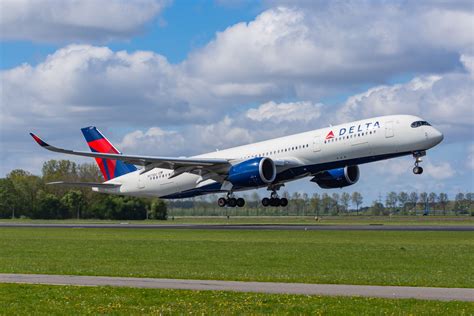
Modern engines such as the Rolls-Royce Trent XWB, used on the A350, operate with higher bypass ratios and improved thermal efficiency. These innovations convert more fuel into thrust while generating less noise and fewer emissions.
Environmental regulations also play an increasingly influential role. Governments and international aviation bodies are tightening limits on carbon emissions, noise pollution, and fuel efficiency. Airlines operating older aircraft may face higher compliance costs or reduced operational flexibility.
For a global carrier like Delta, proactive modernization offers both financial and reputational advantages. Operating newer aircraft strengthens the airline’s environmental profile while reducing exposure to future regulatory restrictions.
As sustainability becomes central to aviation policy, airlines must demonstrate tangible progress toward lower emissions per passenger kilometer. Retiring the 767-300ER represents a significant step in that direction.
Passenger Expectations Have Changed Dramatically
Aircraft retirement decisions are rarely based on engineering alone. Passenger experience now plays a critical role in determining which aircraft remain competitive in global markets.
Over the past decade, airlines have invested heavily in premium cabin products, particularly lie-flat business-class seats designed for long-haul comfort. Delta’s flagship offering, Delta One Suites, features sliding privacy doors, direct aisle access, and upgraded entertainment systems.
Integrating these modern cabin concepts into older aircraft can prove difficult.
The Boeing 767-300ER was designed long before today’s premium-heavy cabin layouts. While Delta has upgraded the interiors over the years, the aircraft’s narrower fuselage and older architecture limit the extent of possible modernization.
Passengers now expect a collection of features that were once considered luxuries:
- Fully flat business-class seats with privacy
- Larger seat-back entertainment screens
- Faster onboard Wi-Fi connectivity
- Improved cabin lighting and quieter interiors
- Enhanced premium economy cabins
Newer aircraft deliver these features more easily because they were designed around contemporary passenger expectations.
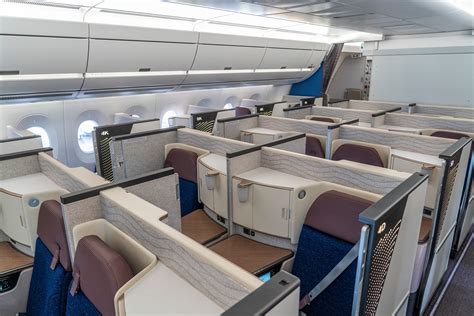
As Delta continues rolling out upgraded products across its network, maintaining a small subfleet of older aircraft becomes increasingly impractical.
Fleet Simplification and Operational Efficiency
Running a global airline involves managing extraordinary complexity. Each aircraft type introduces unique requirements for pilot training, maintenance procedures, spare parts inventories, and operational planning.
Reducing the number of different aircraft variants helps airlines streamline operations and lower costs.
The gradual retirement of the 767-300ER supports Delta’s broader fleet strategy: concentrate on a smaller number of modern widebody platforms capable of covering a wide range of route types.
Replacing aging aircraft with the Airbus A350 family and A330neo series allows Delta to simplify maintenance logistics while improving scheduling flexibility. Larger aircraft can also carry more passengers and cargo, spreading operational costs across a greater number of seats.
The economics of aviation often revolve around cost per available seat mile (CASM). Modern widebodies excel at lowering this metric, particularly on long international routes where fuel and crew costs dominate operating expenses.
The Aircraft Replacing the Boeing 767-300ER
Delta has already begun the process of replacing its 767-300ER fleet with a combination of advanced Airbus widebodies.
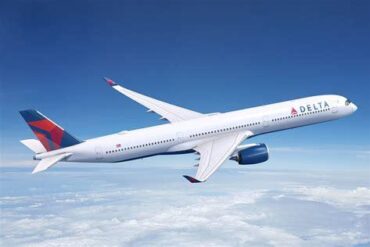
The centerpiece of this strategy is the Airbus A350 family, which has rapidly become one of the most capable long-haul aircraft in service today.
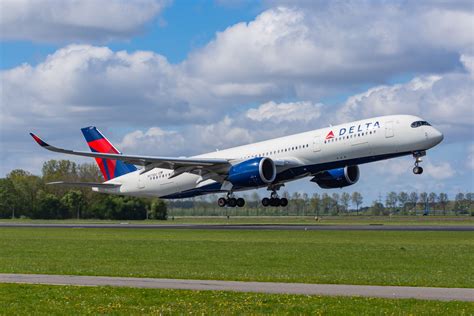
In January 2024, Delta announced an order for 20 Airbus A350-1000 aircraft, with options for an additional 20. Deliveries are expected to begin in 2026, marking the introduction of a significantly larger and more capable aircraft into Delta’s fleet.
The A350-1000 offers several advantages over the retiring 767-300ER:
- Greater passenger capacity
- Longer operational range
- Lower fuel consumption per seat
- Advanced composite airframe
- Modern flight deck systems
Delta already operates approximately 40 Airbus A350-900 aircraft, which have gradually taken over many high-profile long-haul routes.
Complementing the A350 is the Airbus A330-900neo, a modernized version of the long-serving A330 platform. The A330neo features upgraded Rolls-Royce engines, redesigned wings, and improved cabin technology, allowing it to efficiently replace smaller widebodies like the 767.
Routes from Boston and New York JFK to Europe have already seen transitions from the 767-300ER to the A330-900neo, reflecting the airline’s broader network adjustments.
Could the Boeing 787 Still Enter Delta’s Fleet?
An intriguing question remains within the aviation community: will Delta eventually add the Boeing 787 Dreamliner to complement its Airbus widebody fleet?
The 787 family—particularly the 787-8 and 787-9 variants—offers capacity levels closer to the retiring 767-300ER. These aircraft combine excellent fuel efficiency with long range, making them well suited to “thin” long-haul routes where demand is moderate.
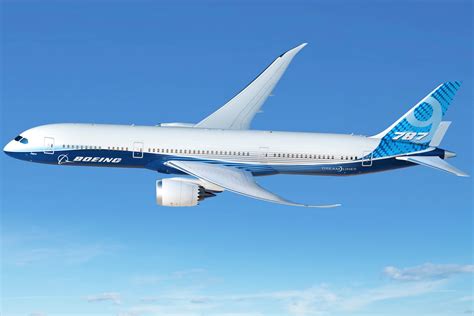
Several competitors, including United Airlines, have used the Dreamliner family precisely for this purpose. The aircraft allows airlines to maintain long-distance connectivity without deploying larger jets that might struggle to fill seats year-round.
Delta has historically leaned toward Airbus for widebody purchases in recent years, partly due to past tensions with Boeing over trade disputes and aircraft economics. Still, airline fleet planning evolves over decades, and future market conditions could influence purchasing decisions.
Network planners must constantly balance three variables: capacity, frequency, and operating cost. The ideal aircraft sits at the intersection of these forces.
What the Retirement Means for Delta’s Global Network
The phase-out of the Boeing 767-300ER will gradually reshape how Delta deploys aircraft across its long-haul routes.
Larger aircraft such as the A350-900 and A350-1000 will likely take over the busiest transatlantic and transpacific routes, where demand supports higher passenger volumes. Meanwhile, the A330-900neo can handle medium-density routes that previously relied on the 767’s smaller capacity.
For passengers, the transition will bring tangible improvements.
Newer aircraft deliver quieter cabins, larger windows, improved pressurization, and more sophisticated entertainment systems. Combined with Delta’s expanding premium products, these upgrades significantly enhance long-distance travel comfort.
Operationally, the shift also improves reliability. Modern aircraft require fewer unscheduled repairs and experience lower maintenance downtime, allowing airlines to operate more predictable schedules.
The result is a fleet that is more efficient, more environmentally sustainable, and better aligned with evolving passenger expectations.
A Farewell to One of Aviation’s Quiet Legends
The Boeing 767-300ER may not have the glamour of larger widebodies like the Boeing 747 or Airbus A380, but its impact on global aviation has been enormous. It enabled airlines to open new long-haul routes, connect secondary cities, and operate international flights with unprecedented efficiency.
For Delta Air Lines, the aircraft played a central role in building a global network spanning Europe, Asia, and beyond.
Yet aviation is a relentlessly forward-moving industry. New technology, changing economics, and environmental pressures continuously reshape airline fleets.
By 2030, the Boeing 767-300ER will disappear from Delta’s passenger operations, replaced by aircraft that embody the next generation of aviation engineering. While the transition marks the end of an era, it also represents the beginning of a more efficient and technologically advanced future for the airline.
In the long arc of aviation history, the 767-300ER will remain remembered not for flashy innovation, but for something arguably more important: decades of dependable service connecting the world.