American Airlines’ long-awaited Project Olympus has hit an unexpected roadblock. The airline’s ambitious overhaul of its Boeing 777-300ER fleet, originally designed to redefine premium air travel, has been delayed due to supplier issues, leaving its once-promising vision in limbo. What was meant to be a groundbreaking transformation in luxury aviation has now become a struggle against the clock, with supplier delays stalling retrofits and casting a shadow over the airline’s premium cabin experience.
The Vision Behind Project Olympus: A Leap in Luxury
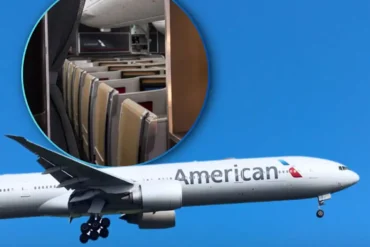
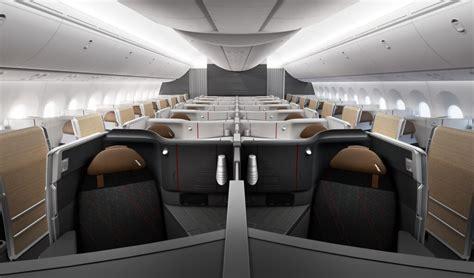
When Project Olympus was first announced, it generated a wave of excitement. The project aimed to replace the outdated Flagship First Class on the 777-300ER with fully enclosed luxury suites, taking American Airlines’ premium offering to new heights. These new suites, equipped with advanced technology such as HD screens, smart seatbelts, and more, promised a next-generation flying experience. The planned upgrade was to mirror the high-end features already seen on American’s 787-9 Dreamliners, which have been deployed on key international routes, like those from Chicago O’Hare (ORD) and Los Angeles (LAX) to London Heathrow (LHR).
However, despite the high hopes, the retrofitting process has become mired in delays, jeopardizing the airline’s premium service and frustrating loyal customers.
Supplier Delays: The Root of the Problem
At the heart of the delay lies a significant issue with the supplier of critical components. American Airlines had arranged for the first Boeing 777-300ER to undergo its transformation in Hong Kong in May 2025. The aircraft was expected to return with fully updated, luxurious accommodations that would set a new standard for long-haul travel. Unfortunately, upon its return, the plane came back with no modifications to show for the journey. The key components, including seats and materials, never arrived at the facility. This failure in the supply chain has left American Airlines scrambling to adjust its strategy, as the first 777-300ER retrofitting project has come to a complete halt.
This setback not only disrupts the timeline but raises concerns about American Airlines’ ability to meet its ambitious vision of becoming a leader in luxury air travel. The delay also underscores the increasing complexities of managing global supply chains, which have been a consistent source of frustration for airlines worldwide.
Growing Discontent Among Premium Passengers
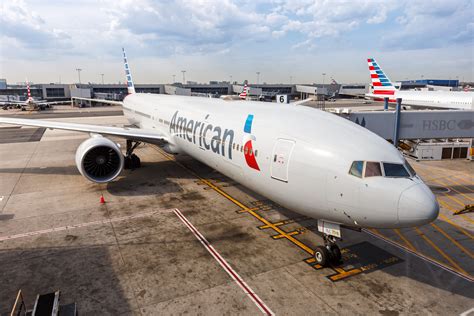
For American Airlines’ premium passengers, the delay could not have come at a worse time. The 777-300ER, the only aircraft in the fleet still operating with the outdated Flagship First cabins, is now being overshadowed by competitors offering far superior amenities. The flagship first-class cabins on the 777-300ER are beginning to show signs of wear and tear, with broken seats, outdated entertainment systems, and increasingly uncomfortable seating arrangements. The once-elite flying experience is quickly losing its luster as passengers begin to voice their dissatisfaction with the lack of timely updates.
Meanwhile, travelers on other aircraft equipped with the Olympus suites, like the 787-9s, continue to enjoy an exceptional level of comfort with private, enclosed suites. This disparity in the passenger experience between the 777-300ER and other aircraft in American Airlines’ fleet only highlights the urgency of completing the retrofits.
American’s premium cabin experience, which had once promised an exceptional level of luxury, now faces the risk of being perceived as outdated, especially in a competitive environment where other airlines, such as United, are rolling out similar offerings with their 787-9s. For loyal customers, the delay may feel like a betrayal of the trust they placed in the airline’s commitment to excellence.
The Impact on American Airlines’ Brand and Reputation
In the fiercely competitive world of premium air travel, perception plays a crucial role in shaping an airline’s reputation. American Airlines’ Project Olympus was not just a physical retrofit; it was meant to serve as a symbol of the airline’s dedication to providing unparalleled luxury in the sky. However, with this setback, the airline risks tarnishing its image and losing its competitive edge in the premium market.
The delay in the retrofitting process threatens to erode the trust of high-end travelers who expect not only world-class service but also consistency across American Airlines’ long-haul routes. The gap in service levels between the Flagship First cabins on the 777-300ER and the more modern Olympus-equipped 787-9s may lead to a sense of disparity among frequent flyers, potentially driving them to competitors who can offer a consistently high level of luxury and comfort.
American Airlines must now work swiftly to regain its footing in the premium travel market. With the supplier delays causing a significant setback in the planned timeline, the airline is facing a critical juncture. If it fails to resolve these issues and deliver the promised upgrades to its 777-300ER fleet, it risks falling behind in a highly competitive space where passenger expectations continue to rise.
The Road Ahead: Can Project Olympus Recover?
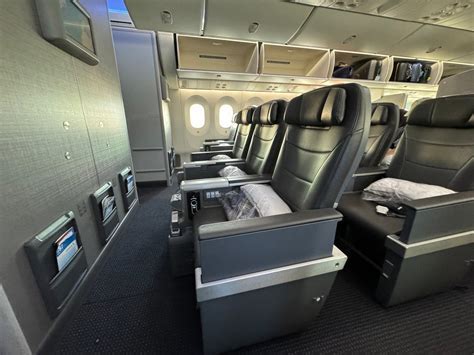
American Airlines has yet to provide a clear new timeline for the retrofitting process. The continued delays push back the planned upgrades to the 777-300ER fleet, complicating the airline’s ability to maintain consistency in its premium service offering across long-haul flights. The airline’s customers are left in the dark, unsure of when they will experience the much-anticipated luxury suites that were promised as part of the transformation.
In the meantime, competitors are not standing still. United Airlines, for instance, is already incorporating similar luxury suites into its 787 fleet, posing a direct challenge to American Airlines’ vision of leading the next generation of in-flight luxury. If American Airlines cannot quickly address the challenges faced by Project Olympus, it risks falling behind its competitors, who are steadily pushing forward with their own premium offerings.
The clock is ticking for American Airlines. The airline needs to act decisively to ensure that the Olympus suites are not just a vision but a reality. If Project Olympus is to remain a cornerstone of American Airlines’ premium cabin strategy, the airline must resolve its supply chain issues, establish a clear retrofit timeline, and execute its vision without further delay.
A Turning Point for Premium Air Travel
The delays to Project Olympus come at a time when luxury air travel is at a crossroads. Travelers, especially those in the business and first-class segments, are increasingly demanding high-end experiences, and the competition for these elite passengers has never been fiercer. In this environment, airlines must not only offer exceptional service but also deliver on their promises in a timely manner.
American Airlines has a window of opportunity to recover from this setback, but it must move quickly. As competitors continue to innovate and introduce new levels of luxury, American Airlines needs to prove that it can keep pace with the demands of modern travelers. Project Olympus, if fully realized, could still be the game-changer that American Airlines once envisioned. But without swift action to address the current delays, the future of the airline’s premium cabin experience remains uncertain.
The road ahead for Project Olympus is filled with challenges, but if American Airlines can navigate these hurdles and bring its vision to fruition, it has the potential to once again redefine luxury in the skies. However, the longer the delay, the more difficult it will be for the airline to regain the momentum needed to lead in the competitive world of premium air travel.