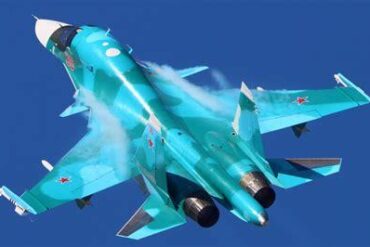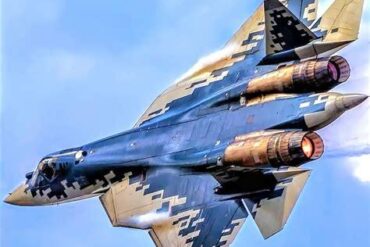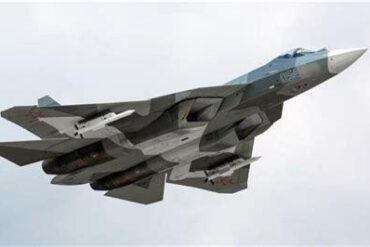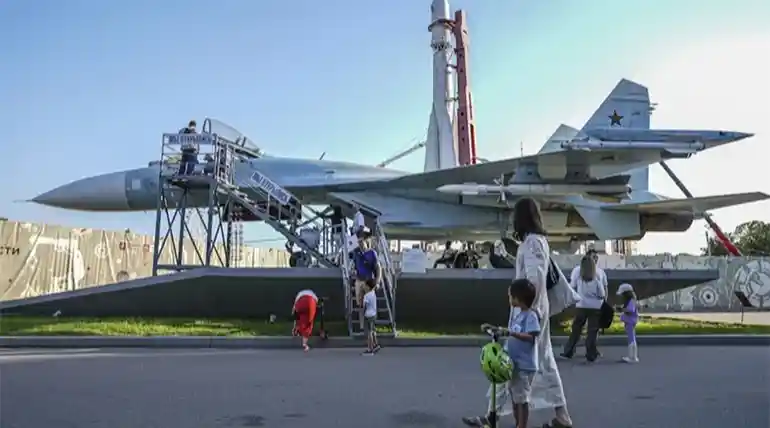
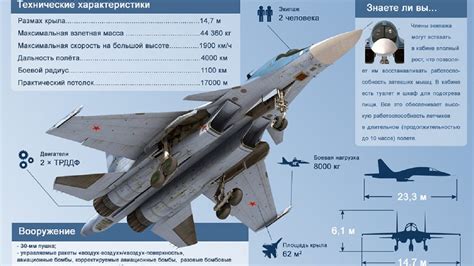
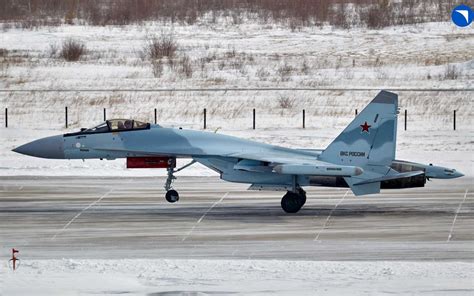
India has quietly become Russia’s largest supplier of fuel additives used in advanced fighter jets such as the Su-34 and Su-35S, aircraft that have played a central role in Moscow’s ongoing bombardment of Ukrainian cities. According to a comprehensive investigation by the Economic Security Council of Ukraine (ESCU), Indian chemical and petrochemical manufacturers accounted for nearly half of Russia’s total fuel additive imports in 2024, highlighting a new and complex layer in the global trade network sustaining Russia’s wartime logistics.
The findings, shared with The Independent, reveal that at least 2,456 tonnes of Indian-manufactured fuel additives—worth roughly £9.3 million ($12.9 million)—were shipped to Russia during the year. These chemicals, while not inherently military, play a crucial role in maintaining the high-performance requirements of fighter jet engines, ensuring reliable combustion, reduced engine wear, and improved efficiency under extreme flight conditions.
The Hidden Chemistry Behind Russia’s Air Power
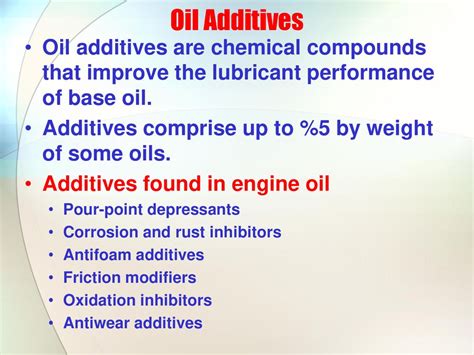
Fuel additives are typically used to enhance combustion quality, reduce freezing points, and prevent corrosion within fuel systems. While these compounds are standard in commercial aviation, their importance grows exponentially in military aircraft, which operate under more extreme temperatures and stress conditions. The ESCU report identifies these additives as being vital to sustain Russia’s air campaign, particularly as its domestic refinery and chemical production sectors have suffered repeated strikes from Ukrainian drone and missile attacks.
Russian forces have relied heavily on Su-34 and Su-35S jets to conduct long-range strikes using glide bombs, cruise missiles, and precision-guided munitions. These operations demand fuels of exceptional stability and performance, meaning that any reduction in additive supply could severely impact sortie reliability. The ESCU’s analysis suggests that Indian exports are increasingly filling that gap.
Indian Firms at the Core of the Supply Chain
The report cites at least six Indian companies, mostly based in Delhi and Mumbai, as major contributors to the trade. Two firms—Perfect Traders and Moulders Private LTD and Thermax Limited—emerged as the most significant exporters. Perfect Traders supplied 1,885 tonnes of additives, while Thermax shipped 287 tonnes to the Russian importer Kapron LLC, worth approximately $1.3 million.
Thermax confirmed that it sold a pour point depressant to Kapron, a chemical used to improve oil flow at low temperatures. The company maintained that the product was engineered exclusively for refinery and oilfield applications, distancing itself from any military usage. However, analysts argue that dual-use materials—those with both civilian and military applications—form a critical gray zone that allows Russia to bypass certain trade restrictions without technically breaching international law.
Russia’s Growing Dependence on Foreign Additives
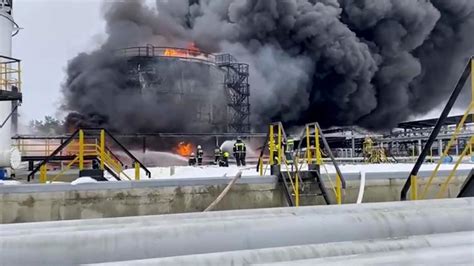
The ESCU’s investigation notes that Russia’s own production of fuel additives has been undermined by Ukrainian attacks targeting refineries and energy infrastructure. With key refining hubs such as Samara and Orenburg experiencing repeated drone strikes, domestic additive output has sharply declined. As a result, Moscow has increasingly turned to foreign suppliers, especially those in India, China, and Southeast Asia, to meet operational demands.
This supply shortage coincides with Russia’s internal fuel crisis, which has forced the Kremlin to ban or limit gasoline and diesel exports in a bid to stabilize domestic markets. In several regions, authorities have even imposed restrictions on how much fuel civilians can purchase—an unusual move reflecting the severity of the situation.
Strategic Implications for India and the Global Energy Trade
India’s expanding petrochemical trade with Russia underscores New Delhi’s careful geopolitical balancing act. Since the invasion of Ukraine, India has increased its imports of discounted Russian crude oil, refining and re-exporting it to global markets. The additive exports, while small compared to oil volumes, reveal another layer of economic cooperation that indirectly supports Russia’s war effort.
Indian officials have defended such trade as purely commercial, emphasizing that fuel additives are standard industrial chemicals used in civil aviation, power generation, and oil refining. Analysts, however, note that Moscow’s reliance on imported additives—combined with the heavy use of airpower in Ukraine—makes it highly probable that at least some of these products are ending up in military jet fuel blends.
ESCU’s Findings and Their Broader Context
The ESCU, established in 2021 as an independent Ukrainian NGO, has specialized in tracking foreign trade networks that indirectly bolster Russia’s war machinery. Its latest report states that Indian fuel additives accounted for 49.58% of total tonnage and one-third of total value of Russian imports in this category. These figures highlight how Russia’s industrial dependence has deepened despite sanctions and ongoing military attrition.
Olena Yurchenko, ESCU’s Director of Analysis and Research, explained that while Indian companies operate legally, their exports reflect Russia’s desperation for critical supplies. “Given the current Ukrainian attacks on oil refineries, and the fact that many refineries produce additives themselves, Russia’s production capacities are undermined. They will rely on imports even more now,” she said.
Dual-Use Dilemma and Legal Ambiguity
At the heart of this issue lies the concept of dual-use exports—goods that serve both civilian and military functions. International law generally permits such trade as long as exporters do not knowingly supply military applications. Yet in a wartime context, the distinction becomes blurred. India’s additive manufacturers continue to operate within World Trade Organization (WTO) guidelines, but the end-use transparency remains limited.
Experts say that the absence of explicit military bans on fuel additives allows Russian importers to disguise final usage under industrial categories such as “oilfield enhancement” or “aviation maintenance.” Such labeling practices, though technically compliant, complicate global efforts to curtail the flow of critical materials sustaining Russia’s war effort.
Moscow’s Energy Strain and Ukraine’s Strategic Strikes
Ukraine’s persistent campaign of drone and missile strikes against Russian oil refineries has been a calculated move to erode Moscow’s military logistics. According to Ukrainian president Volodymyr Zelensky, these attacks have reduced Russia’s gasoline supplies by up to 20%, forcing the Kremlin to divert resources away from the battlefield to stabilize domestic energy networks. The ripple effects extend to aviation fuel, where additive shortages can affect flight safety, maintenance cycles, and engine performance.
This energy attrition strategy coincides with Russia’s renewed attacks on Ukraine’s gas production facilities, part of its winter offensive aimed at crippling Kyiv’s energy resilience. With both sides targeting each other’s energy sectors, chemical imports and refinery operations have become essential metrics of wartime endurance.
India’s Diplomatic Position and Western Scrutiny
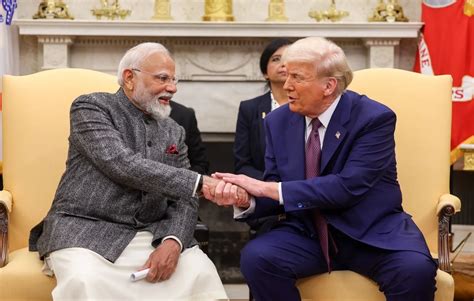
India’s Prime Minister Narendra Modi has maintained a neutral public stance throughout the war, repeatedly calling for peace while refraining from direct condemnation of Moscow. His government argues that energy and trade ties with Russia serve India’s national interest, especially amid global inflation and energy insecurity. Western nations, however, have expressed growing concern that such trade—though technically legal—indirectly sustains Russia’s military machine.
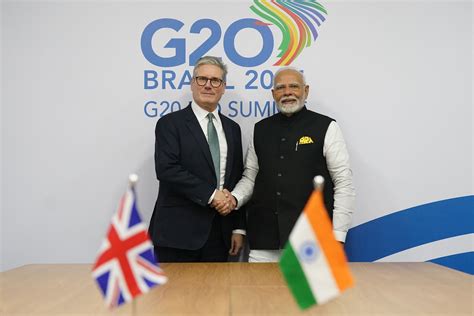
During recent talks with UK Prime Minister Sir Keir Starmer, Modi reiterated India’s call for diplomatic resolution but made no commitment to reducing economic engagement with Russia. This pragmatic approach reflects New Delhi’s long-standing defense and energy partnerships with Moscow, dating back to the Soviet era, as well as its desire to remain strategically autonomous in a polarized global order.
Economic Realities vs. Ethical Complexities
The intersection of commerce, energy, and warfare presents a moral and strategic paradox for India. On one hand, its companies are acting within the boundaries of global trade law, exporting non-restricted goods. On the other hand, these same goods may be contributing to the prolongation of a brutal conflict that has displaced millions and destabilized international markets.
Analysts predict that as Russia’s domestic additive production continues to decline, its dependence on India will deepen. This could open new revenue streams for Indian petrochemical firms but may also draw them into the geopolitical spotlight, especially if evidence surfaces linking specific shipments to Russian airstrikes on Ukrainian targets.
Outlook: The Next Phase of Trade and Accountability
As the war enters another winter, the role of fuel additives—an otherwise obscure corner of the energy industry—has become strategically significant. Russia’s capacity to sustain prolonged aerial campaigns depends not only on aircraft and pilots but on the chemical integrity of its fuel systems. India’s dominance in this niche market positions it as a silent but critical player in the wider dynamics of the war.
The ESCU’s revelations underscore a broader reality: in modern warfare, economic supply chains are as consequential as battlefields. Whether through oil, microchips, or chemical additives, global trade flows continue to shape the course and duration of conflicts. For India, the challenge lies in balancing economic opportunity with its image as a responsible global actor, as the world increasingly scrutinizes every link in Russia’s wartime supply chain.