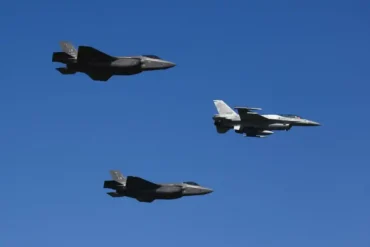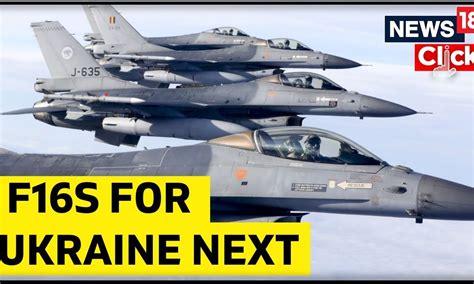
Ukraine’s introduction of the F-16 Fighting Falcon into its air force marks a decisive shift in the dynamics of its long and grueling conflict with Russia. The integration of these advanced Western aircraft not only modernizes Ukraine’s outdated Soviet-era air fleet but also introduces new strategic opportunities that were previously out of reach. While the arrival of the F-16s has sparked optimism, their impact is far more nuanced—balancing technological superiority with logistical and operational constraints. In a war where the control of the skies has often translated to ground-level consequences, Ukraine’s use of the F-16 could represent a turning point.
The F-16 is not merely a symbol of Western support; it is a multi-role aircraft that brings with it high maneuverability, advanced avionics, and the ability to perform Suppression of Enemy Air Defenses (SEAD), precision strikes, and air superiority missions. But the road to effective deployment is complex, laden with challenges related to training, doctrine adaptation, maintenance infrastructure, and survivability in a heavily contested airspace.
Why the F-16 Matters in Ukraine’s Arsenal
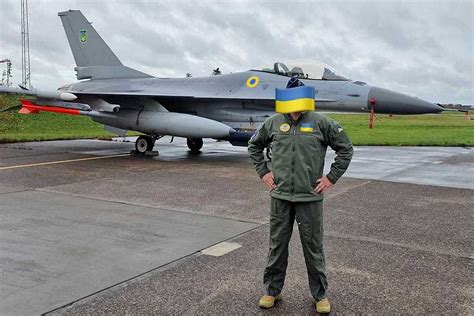
Prior to the arrival of the F-16s, Ukraine’s air fleet was heavily reliant on aging Soviet aircraft like the MiG-29 and Su-27. While rugged and reliable in many respects, these aircraft lacked the adaptability and precision systems critical in modern warfare. The F-16, by contrast, is a fourth-generation multirole fighter that has been at the heart of NATO operations for decades. It’s capable of integrating with Western missile systems, digital communications networks, and advanced target acquisition technologies.
In the Ukrainian theater, the F-16s have been tasked with three key missions:
First, aerial interception. With Russia’s frequent use of long-range cruise missiles and Iranian-supplied Shahed drones, Ukraine needed a platform with the speed and responsiveness to counter these airborne threats. The F-16, with its high-thrust-to-weight ratio and superior radar, is capable of intercepting and neutralizing these threats mid-flight—significantly reducing civilian and infrastructure casualties.
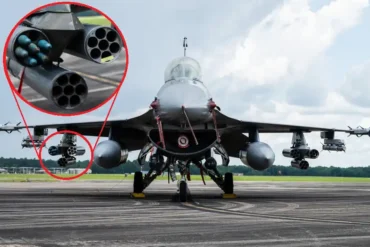
Second, the F-16s have taken on a SEAD role, akin to the U.S. Air Force’s “Wild Weasel” squadrons. Armed with AGM-88 HARM missiles, Ukrainian F-16s are deployed to locate, engage, and destroy Russian radar and surface-to-air missile systems. This role is pivotal in creating corridors of relative safety for both aerial and ground operations.
Third, air-to-ground strike capabilities have been bolstered. Ukraine has utilized the F-16’s precision targeting systems for surgical strikes against Russian ammunition depots, troop concentrations, and logistical nodes. These strikes are not only tactically significant but also symbolic—showing Russia that Ukrainian forces now possess tools to strike with accuracy, agility, and low collateral damage.
Training, Doctrine, and Tactical Integration
Introducing the F-16 into Ukraine’s air force wasn’t as simple as parking them on a runway. Ukrainian pilots—some of whom had never flown Western aircraft—were sent to training programs in the United States and Europe. These programs included rigorous academic instruction on NATO doctrine, hands-on simulator sessions, and real-world flight operations.
The learning curve was steep. Transitioning from analog cockpits and rigid Soviet doctrine to the highly digitized, dynamic battlefield systems of the F-16 required not just technical skill, but a cultural shift in command-and-control. NATO-style operational flexibility replaced rigid, top-down command structures.
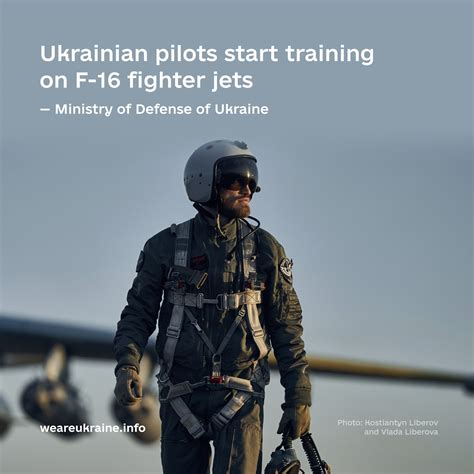
Ukrainian ground crews were also retrained. Maintaining an F-16 involves a very different supply chain, tooling process, and diagnostic protocol than the MiGs and Sukhois of the past. To keep their fleet mission-ready, Ukraine had to establish specialized repair and maintenance hubs capable of handling everything from avionics diagnostics to turbine servicing.
Crucially, Ukraine adapted its military doctrine to incorporate these aircraft. Planners restructured air defense grids, modified ground-to-air coordination protocols, and incorporated NATO-style joint operations to make full use of the F-16’s multi-role capabilities. Every sortie now fits within a broader digital battlefield environment that merges Western and Ukrainian tactics.
Strategic and Tactical Limitations
Despite the excitement surrounding the deployment of F-16s, significant limitations persist. Most notably, Ukraine does not have the luxury of operating the jets in large numbers. The initial batches delivered were limited in size, meaning Ukraine’s ability to execute massed air operations remains restricted. With only a handful of aircraft available at any given time, mission planners must be highly selective in how and when to deploy them.
Moreover, many of the F-16s delivered were older Block 20 and Block 30 variants, lacking the most modern radar, sensor fusion, and electronic warfare suites. This puts them at a disadvantage when flying against Russian Su-35s or S-400 surface-to-air missile systems, which boast longer detection ranges and more advanced targeting capabilities. While survivable in the right hands and under the right conditions, F-16s are not invincible.
The threat from Russian integrated air defense systems (IADS) remains a major challenge. These systems can deny large swaths of airspace, meaning Ukrainian pilots must rely on ultra-low-level flight profiles, electronic countermeasures, and deception tactics—techniques that require extensive training and come with heightened risk.
Another limiting factor is logistics. The sustainment infrastructure for Western aircraft in a wartime environment is complex and demanding. F-16s require a steady supply of spare parts, specialized fuel, and maintenance expertise. In a country under constant missile attack, maintaining this logistical backbone is no small feat.
Tactical Successes and Psychological Impact
Yet even with these constraints, Ukraine has begun to register tangible battlefield effects. One notable use of the F-16 came during an operation near Kherson, where a Russian command post located deep behind the lines was destroyed using a precision-guided munition delivered by an F-16. Such strikes not only neutralize high-value targets but also degrade Russian morale and force costly changes in operational tempo.
The psychological impact of the F-16 cannot be overstated. Russian pilots, once accustomed to unchallenged airspace, now face a credible adversary with Western avionics and targeting systems. This has forced changes in Russian air doctrine, including higher altitude operations and more limited penetration flights—both of which reduce their effectiveness on the ground.
For Ukrainian forces and civilians alike, the arrival of the F-16 represents a strategic morale boost. It is not just a machine—it is a declaration that Ukraine’s fight is supported by the world’s most technologically advanced militaries.
What Comes Next for Ukraine’s Air Power?
The long-term success of Ukraine’s F-16 program will depend on scaling and modernization. Kyiv has already lobbied for more advanced variants and hopes to eventually acquire Block 50/52 aircraft, which offer improved radar, better data-link integration, and upgraded self-defense systems. In parallel, Ukraine is pressing for access to a broader range of precision munitions, including the Joint Direct Attack Munition (JDAM) and AIM-120D air-to-air missiles.
Operational sustainability will also be key. Establishing hardened airbases, expanding training programs, and investing in mobile maintenance facilities will help ensure that the fleet can survive and operate in a dynamic warzone.
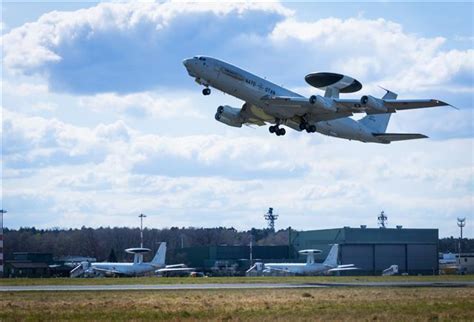
Additionally, Ukraine aims to deepen its integration with NATO systems. The ability to plug into allied ISR (Intelligence, Surveillance, Reconnaissance) networks and receive real-time threat data would massively increase the efficacy of F-16 operations. Already, NATO AWACS aircraft are reportedly helping guide Ukrainian pilots during high-stakes missions close to contested airspace.
Conclusion: A Game-Changer, but Not a Silver Bullet
The F-16’s arrival on the Ukrainian battlefield is not a magic solution—but it is a decisive enhancement to Ukraine’s air capabilities. The jet offers far more than just a technological upgrade; it represents a new way of fighting, thinking, and operating in the air domain.
The journey to full operational capability is far from over. Training, logistics, integration, and survivability all remain areas of active development. But even now, the F-16 is changing Russian calculations, denying airspace that was once easily accessible, and striking with precision that sends a message far beyond the immediate blast radius.
As more aircraft arrive and Ukraine’s pilots grow more seasoned, the true impact of the F-16 program will begin to unfold. In a war where every advantage counts, the Falcon is helping Ukraine not only to defend—but increasingly, to contest—the skies.