The United States Air Force has showcased an unprecedented capability of its F-16 Fighting Falcon, arming the aircraft with an array of 42 APKWS (Advanced Precision Kill Weapon System) missiles. This revelation comes as a strategic pivot in the face of rapidly evolving aerial threats, primarily swarms of low-cost drones. Just months after reports of APKWS usage against Houthi drones, the Pentagon has now escalated its commitment to integrating precision micro-missiles with frontline fighter platforms.
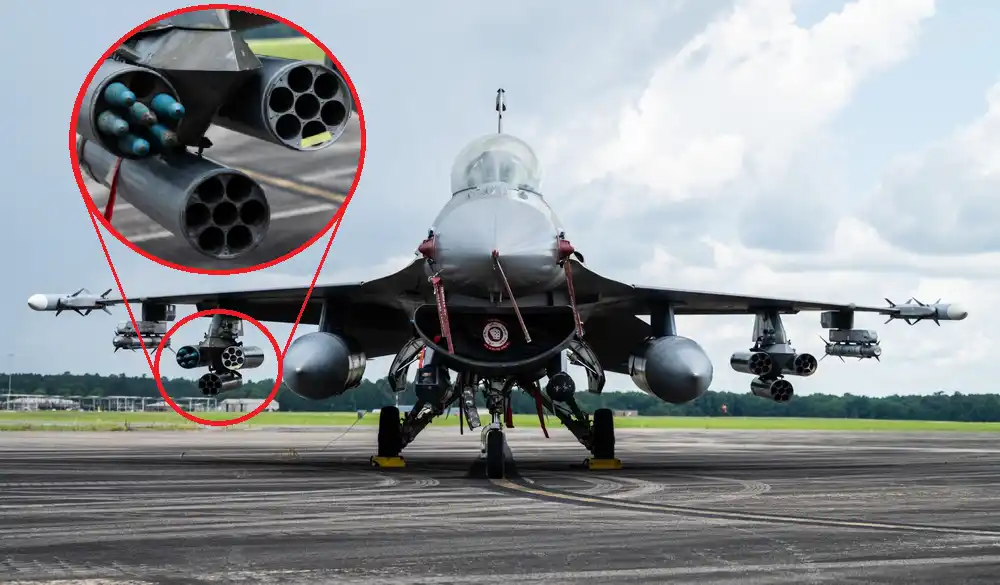
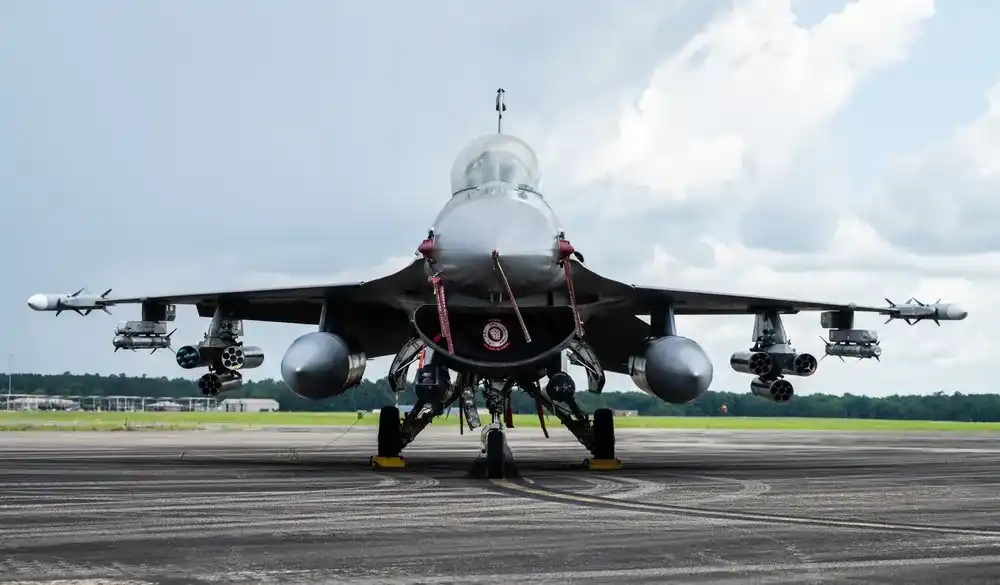
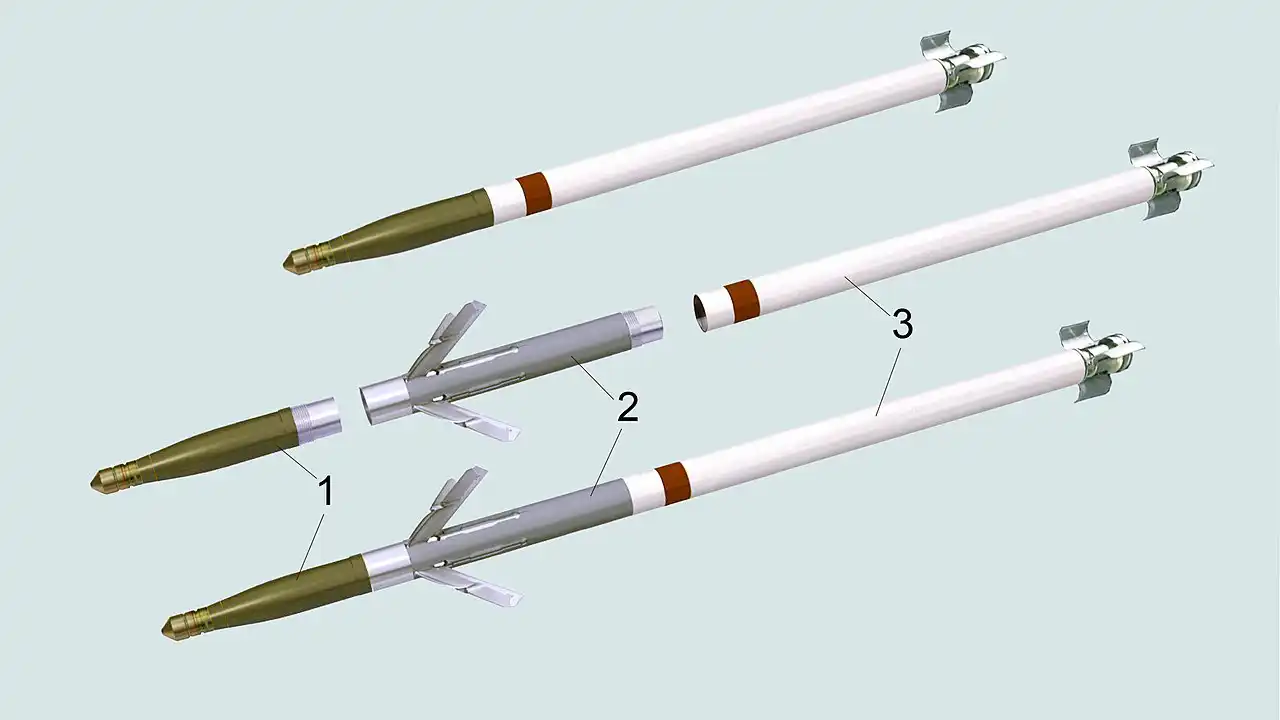
The highlight of this development is the 20th Fighter Wing’s F-16, seen armed with six LAU-131/A pods, each capable of launching seven APKWS II missiles. In total, the aircraft is now configured to carry up to 42 guided rockets—each equipped with laser-homing technology that transforms a traditional Hydra 70mm rocket into a precision-guided munition.
Strategic Evolution: Turning the F-16 into a Drone Killer
Traditionally known for high-speed multirole missions, the F-16 is now being repositioned for a critical role in counter-UAV (Unmanned Aerial Vehicle) operations. With a maximum speed exceeding Mach 2 and exceptional agility, the platform is a natural candidate for rapid interception. But its latest transformation leverages not speed, but volume and cost-efficiency.
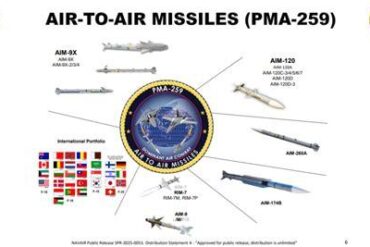
Unlike expensive air-to-air missiles such as the AIM-9X Sidewinder—which costs around $420,000 per unit—the APKWS II is remarkably economical. The laser-guidance and control kit, the WGU-59/B, costs roughly $15,000, with additional expenses for the warhead and rocket motor only totaling a few thousand more. This cost-per-kill advantage is significant when facing saturation attacks from drone swarms or loitering munitions.
Tactical Configuration: The Six-Pod Loadout
The new loadout, as visualized in official DoD Visual Information Distribution Service photos, includes:
- Six LAU-131/A pods, each with seven APKWS slots
- Mounted on the aircraft’s underwing pylons
- Paired with targeting pods like LITENING or Sniper XR for laser designation
This layout is not just theoretical—it has been flight tested. The same configuration has appeared earlier on F-15E Strike Eagles, but applying it to the lighter and more maneuverable F-16 suggests a scalable doctrine for other allied air forces using the aircraft worldwide.
APKWS: From Rocket to Smart Missile
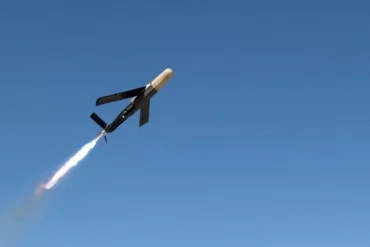
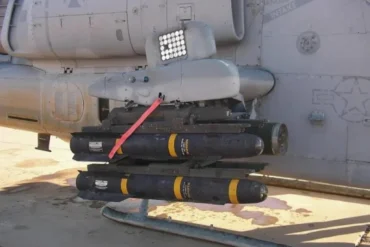
The APKWS II is built on the ubiquitous Hydra 70mm rocket. By inserting the WGU-59/B laser guidance unit between the rocket motor and warhead, BAE Systems has converted a traditionally unguided munition into a precision strike weapon. While originally developed for air-to-ground roles, including close air support and soft target engagement, recent updates have modified APKWS for anti-air use, notably by integrating a proximity fuze.
This proximity fuse ensures detonation even when a direct hit is missed—crucial when engaging small, agile, or fast-moving aerial targets like drones. APKWS missiles are already deployed by various aircraft including AH-64 Apaches, A-10 Warthogs, AV-8B Harriers, F/A-18 Hornets, and now the F-16.
Redirecting Ukraine’s Missiles: The Controversial Pivot
In a move drawing sharp geopolitical attention, the U.S. Department of Defense has confirmed the redirection of 20,000 APKWS-equipped missiles originally designated for Ukraine. These munitions, part of the Ukraine Security Assistance Initiative (USAI) set up during the Biden administration, were reallocated to American units operating in the Middle East.
The official rationale cited an “urgent operational need” as tensions flared over potential strikes on Iranian nuclear infrastructure. Under U.S. law, the Secretary of Defense is authorized to divert such military aid during emergencies, but critics argue that it reflects a growing strain between strategic deterrence and alliance obligations.
This diversion of arms reportedly occurred in June 2025, at a time when Ukraine’s defensive posture was critically reliant on precision artillery and low-cost anti-air solutions. The move, alleged by multiple sources, was orchestrated under directives influenced by former President Donald Trump’s foreign policy advisors, who supported reprioritizing American readiness over foreign aid.

Combat Proven: Intercepting Houthi Drones in 2024
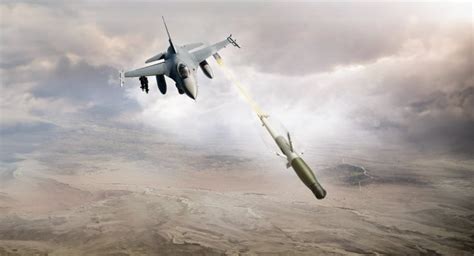
The real-world combat value of APKWS against drones was first demonstrated in early 2024, when F-16s engaged Houthi-operated UAVs in the Gulf of Aden. At that time, visual evidence confirmed aircraft equipped with only two LAU-131/A pods. The current six-pod configuration thus triples the volume of available guided munitions, allowing for multi-target engagements without rearming.
According to reports, these earlier engagements had a high success rate, with the laser-homing heads offering far superior accuracy than autocannons or unguided rockets. Additionally, the APKWS presents reduced collateral damage risk, making it ideal for drone defense in urban or congested airspace.
Why It Matters: Strategic Implications Beyond the Battlefield
Deploying 42 APKWS missiles on an F-16 is more than a hardware update—it reflects a doctrinal shift in modern air combat. Rather than relying solely on high-end, limited-quantity missiles, the USAF is embracing mass, volume, and affordability as essential criteria for future warfare. This philosophy mirrors trends seen in naval platforms like Autonomous USVs and swarm-capable UAVs.
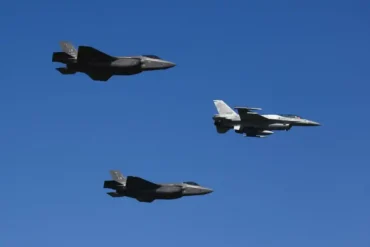
Moreover, the exportable nature of APKWS and its compatibility with legacy aircraft opens opportunities for NATO and allied forces to adopt similar configurations. Nations operating F-16s—such as Poland, Taiwan, and Greece—may now consider equipping their jets for low-cost air policing and anti-drone combat, particularly in contested airspace zones near Russia, China, or Iran.
Political Overtones and the Trump Connection
The reallocation of 20,000 missiles—originally assigned to Ukraine—has stirred significant political commentary, particularly among Washington insiders. Sources close to Trump’s inner circle reportedly backed the move, arguing that arming U.S. forces in the Middle East was more urgent than fulfilling commitments to Kyiv.
While President Trump is no longer in office, the legacy of his defense policy remains strong within certain Pentagon departments. The narrative of “America First in Defense” is once again in the spotlight. Critics contend that Ukraine is being shortchanged, while proponents cite the escalating drone threat from Iranian proxies as justification for re-prioritization.
The Future of the F-16 in Modern Combat
With upgraded radars, modular weapon kits, and data-linked targeting, the F-16 remains a potent asset despite its age. This new APKWS loadout reaffirms its relevance in modern theaters where versatility, quick reaction, and cost-per-kill performance are more vital than ever.
Whether engaging drones over the Middle East, backing NATO deterrence in Eastern Europe, or preparing for conflicts in the Indo-Pacific, the APKWS-armed F-16 is shaping up to be an ideal middle-ground between expensive missile systems and gun-based close-range defense.
As warfare adapts to unmanned saturation tactics, the U.S. Air Force is showing that even legacy platforms can be reimagined—one rocket at a time.