In the evolving conflict between Russia and Ukraine, the entry of advanced military equipment has introduced a significant shift in the battlefield dynamics. Among the most pivotal developments is the deployment of Ukrainian F-16 fighter jets, a game-changing factor in modern warfare. This article delves into the impact of these advanced fighter jets, analyzing their operational effectiveness, tactical significance, and broader strategic consequences in the ongoing war. The arrival of the F-16s marks the beginning of a new phase in the Russia-Ukraine conflict, highlighting the importance of air superiority and high-tech weaponry in shaping the outcome of this war.
The Arrival of Ukrainian F-16 Fighter Jets
Breaking the Strategic Balance
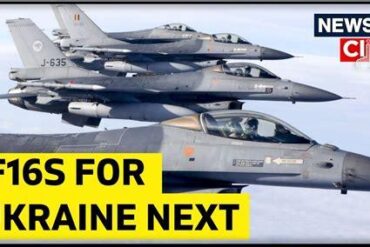
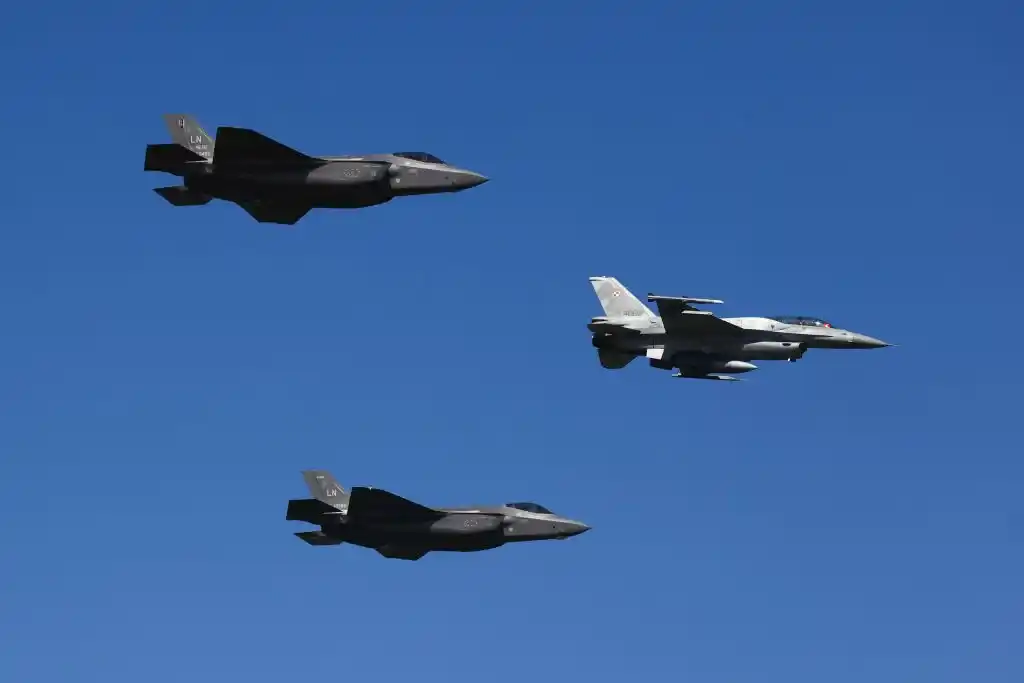
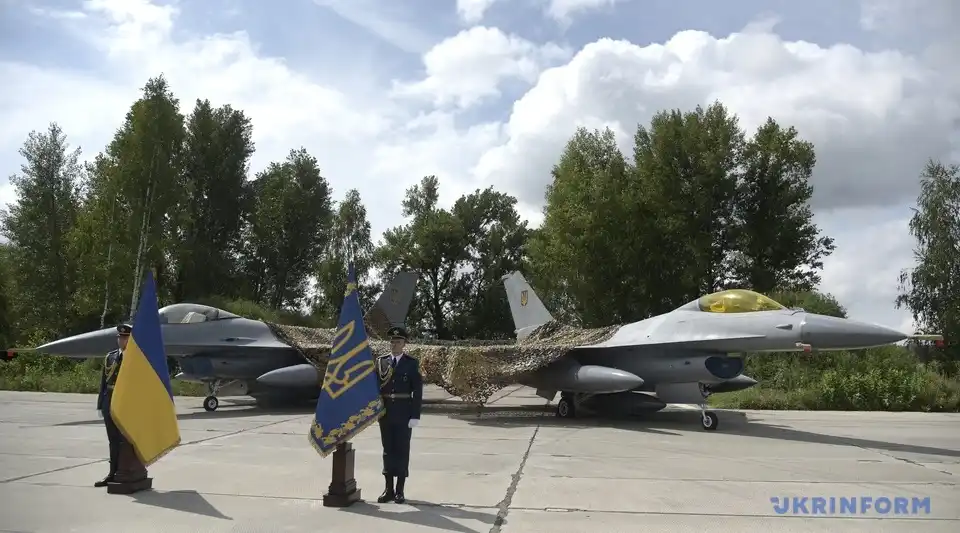
The Ukrainian military’s acquisition of F-16 fighter jets represents a critical turning point in the conflict with Russia. These advanced American-made aircraft, known for their superior maneuverability and weaponry, arrived in Ukraine amidst rising tensions and escalating warfare. The jets are seen not only as a tactical asset but also as a symbol of Ukraine’s growing military capabilities and NATO’s increasing involvement.
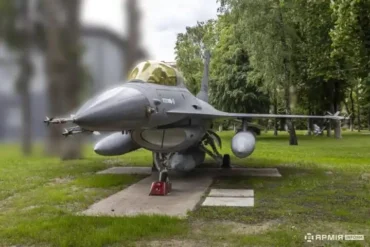
The first Ukrainian F-16, adorned with the iconic Trident insignia of Ukraine, made a dramatic debut by flying over the Dnipro River. This moment was significant not only for its military implications but also for its psychological impact. As the Russian military quickly detected the aircraft, their defensive systems were put to the test. The F-16’s sophisticated electronic warfare systems, including the AN/ALQ-131 electronic warfare pod, played a crucial role in disrupting Russian radar and communication systems.
A New Era of Warfare
Before the introduction of the F-16, the war predominantly featured land-based operations, with artillery and infantry taking center stage. The focus on ground warfare meant that air superiority was not a major factor in the conflict. However, the arrival of these fighter jets has expanded the operational scope of the Ukrainian military dramatically. The F-16 is capable of striking deep into enemy territory, disrupting Russian supply lines and command centers, all while maintaining air superiority.
In one of the most notable instances, the Ukrainian F-16s launched strikes against Russian frontline forces positioned in the Zaporizhzhia and Chernihiv regions, achieving substantial damage and weakening Russian morale. These operations underscored the critical importance of having an advanced air force in modern warfare, particularly in a conflict that is increasingly defined by long-range engagements and precision strikes.
Strategic Impact: How F-16s Are Shaping the Conflict
Enhanced Air Combat Capabilities
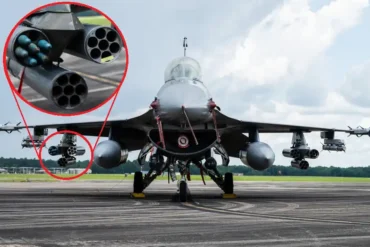
The F-16 fighter jet, with its advanced radar systems, superior maneuverability, and a wide array of weaponry, enhances Ukraine’s ability to challenge Russian aerial supremacy. Equipped with GBU-39 laser-guided bombs and AIM-120B medium-range air-to-air missiles, the F-16 can engage targets with precision and lethality, even in contested airspace.
Moreover, the electronic warfare capabilities provided by the AN/ALQ-131 pod allow Ukrainian pilots to cripple Russian radar and air defense systems, significantly diminishing the effectiveness of Russian aerial reconnaissance and anti-aircraft units. This disruption of Russia’s air defense network is a crucial aspect of the F-16’s role in the ongoing conflict.
The fighter jets’ range also introduces a new dimension to Ukrainian operations, extending their strike capabilities by over 300%, enabling attacks on Russian targets far beyond the reach of previous Ukrainian aircraft.
Psychological Warfare: Fear and Uncertainty in Russian Ranks
The mere presence of the F-16s in Ukrainian skies has introduced an element of psychological warfare. For months, Russian strategic bombers had bombarded Ukrainian territory with relative impunity, as they faced no significant air opposition. The arrival of the F-16s, however, has instilled a sense of vulnerability within Russian ranks, as their air defense systems, which were previously considered formidable, now seem insufficient to deal with the new threat.
Russian military leaders have expressed concerns about the potential of these F-16s to upset the status quo. Despite initial attempts to down Ukrainian F-16s, the Russian military has struggled to prevent their successful deployment, further escalating the stakes of the conflict.
Global Political and Military Implications
The deployment of Ukrainian F-16s also has significant implications for global politics. As these aircraft are provided by the United States and NATO, they underscore the West’s growing support for Ukraine in its fight against Russian aggression. The F-16s symbolize not only a military shift but also a political message: NATO’s involvement is deepening, and its commitment to supporting Ukraine is becoming more pronounced.
As tensions rise, the geopolitical ramifications are clear. Russia perceives the F-16 deployment as an escalatory move, pushing the boundaries of its own military strategy and increasing the risks of further conflict. On the other hand, Ukraine’s newfound air capabilities have emboldened its leaders, strengthening their resolve in negotiations and on the battlefield.
Other Key Developments: The Role of French Mirage 2000 Jets
The Mirage 2000: Complementing the F-16s
In addition to the F-16s, Ukraine has also received French Mirage 2000 fighter jets, further strengthening its air force. These aircraft, which complement the F-16s, bring a new level of flexibility to Ukraine’s air operations. The Mirage 2000 is well-regarded for its high-performance capabilities, especially in terms of ground-attack missions and air superiority. The combination of F-16s and Mirage 2000s gives Ukraine a formidable air combat force that can engage in multi-role operations across different sectors of the battlefield.
NATO’s Strategic Shift and Training Programs
The delivery of the Mirage 2000 jets signals a mature phase in Ukraine’s air combat capabilities. Ukrainian pilots have undergone intensive training in France to master these advanced aircraft, ensuring that they can use them effectively in combat. The strategic collaboration between Ukraine and NATO continues to evolve, with Western allies not only providing advanced weapons but also facilitating the training of personnel to operate them.
This growing partnership is crucial as Ukraine continues to integrate these advanced systems into its military operations, improving its chances of regaining lost territory and strengthening its defenses against Russian incursions.
The Geopolitical Ripple Effects
Changing Attitudes in the U.S. and Europe
As the conflict continues to evolve, the political landscape has also shifted. Former U.S. President Donald Trump, who had previously called for Ukrainian surrender, has adjusted his stance, suggesting that negotiations should take place without demanding Ukraine’s complete capitulation. His evolving position reflects broader changes in the U.S. foreign policy regarding Ukraine, as the Biden administration and European powers continue to offer substantial military and diplomatic support to Kyiv.
The F-16s and Mirage 2000s represent a tangible commitment by the West to help Ukraine not only defend itself but also push back against Russian forces. As the situation progresses, the international balance of power continues to shift, with Ukraine’s air capabilities serving as a key lever in this broader geopolitical struggle.
The Road Ahead: Uncertainty and Potential for Escalation
The war between Russia and Ukraine remains highly fluid, and the full impact of these advanced fighter jets is yet to be seen. As the conflict escalates, there are real concerns about the potential for wider regional conflict involving other global powers. While the F-16s provide Ukraine with a substantial advantage, the Kremlin is unlikely to stand idly by as NATO-backed forces shift the balance of power.
The future of the conflict will depend heavily on the continued support of NATO, the effectiveness of the Ukrainian air force, and the ability of both sides to adapt to rapidly changing circumstances on the ground. However, one thing is clear: the arrival of the F-16s has marked a critical turning point in the Russia-Ukraine conflict, ushering in a new phase of high-tech, high-stakes warfare that will define the next chapter of this brutal conflict.
Conclusion: A New Dimension in the Conflict
The deployment of Ukrainian F-16s has undeniably altered the trajectory of the Russia-Ukraine conflict. These advanced aircraft, combined with the delivery of Mirage 2000s, have significantly enhanced Ukraine’s military capabilities, shifting the balance of power on the battlefield. As the conflict continues to evolve, the air superiority offered by these fighter jets will play a crucial role in shaping the outcome of the war. The stakes are high, and with each passing day, the potential for a decisive Ukrainian victory grows stronger—thanks in no small part to the unparalleled capabilities of these cutting-edge aircraft.