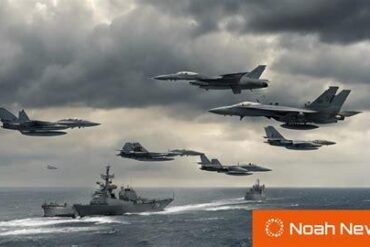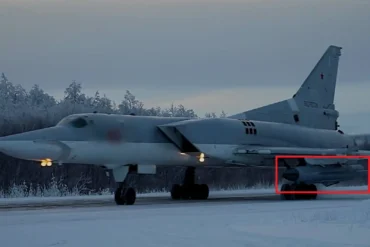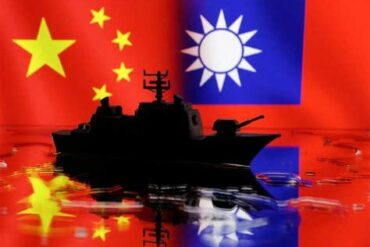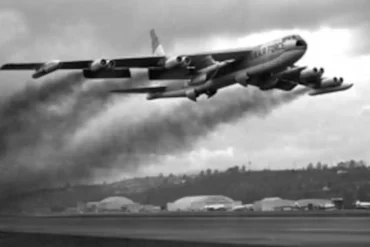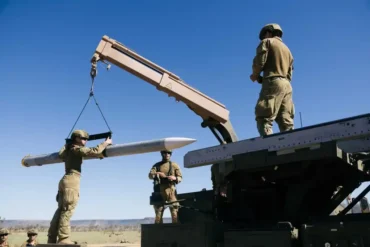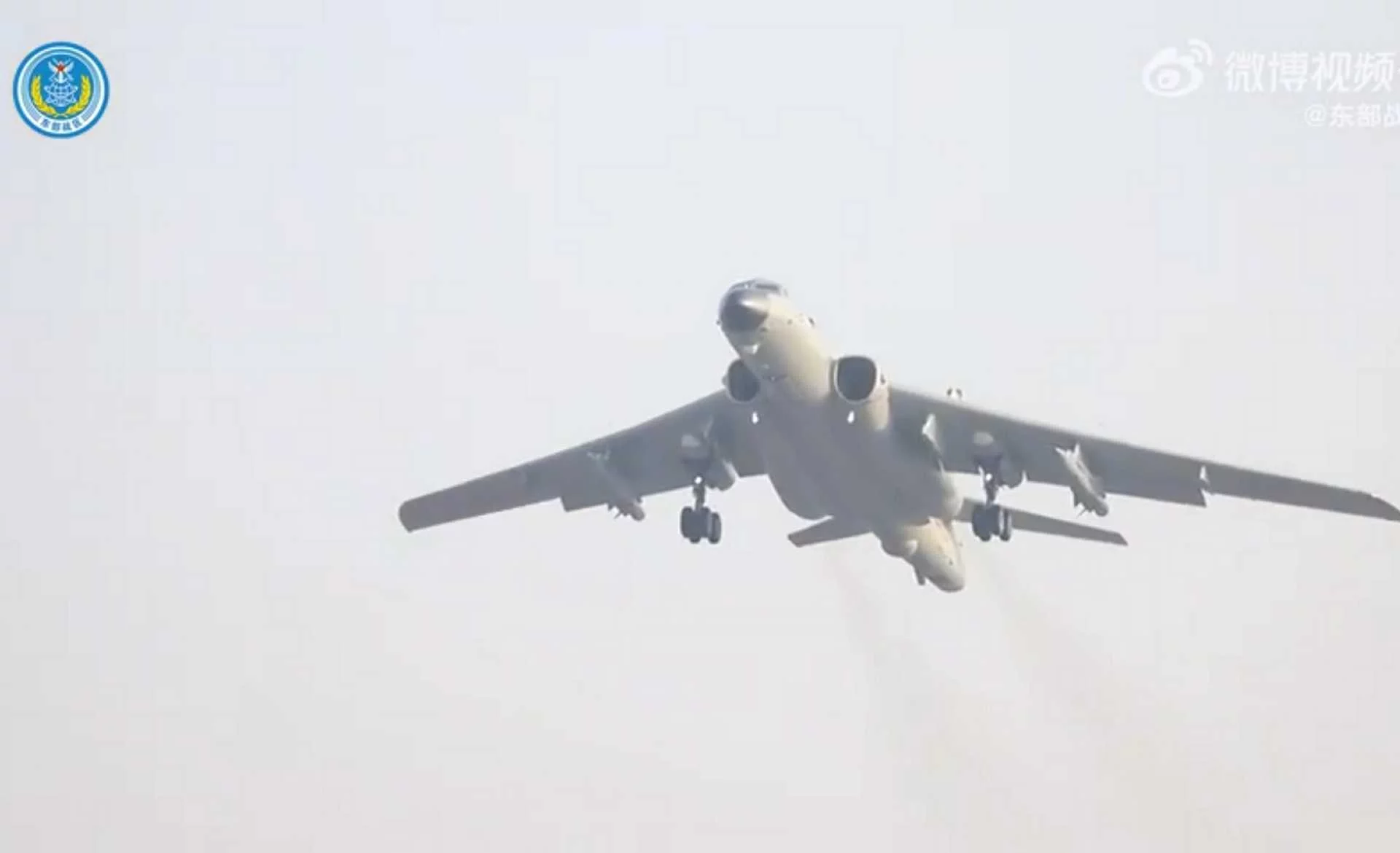
Tensions in the Taiwan Strait have entered a new and dangerous phase following China’s deployment of H-6 strategic bombers armed with YJ-12 supersonic anti-ship missiles east of Taiwan. On December 29, 2025, the People’s Liberation Army (PLA) Eastern Theater Command confirmed these bombers carried out combat readiness patrols, in what is widely seen as a show of force aimed at reshaping the balance of power in the western Pacific.
PLA’s Expanding Strategic Reach Over Taiwan
China’s message was unmistakable: its long-range strike capabilities are no longer confined to its immediate coastal waters. The H-6K bomber, with an extended operational range, paired with the YJ-12 missile, a Mach 3.5 supersonic anti-ship weapon, illustrates Beijing’s ability to project power far beyond the First Island Chain. This development sends a potent signal not only to Taipei, but also to the United States and its regional allies.
While officially termed “routine training,” the choice of payload, geographic location, and timing indicate a deliberate strategic message. The PLA intends to demonstrate that it can now place U.S. aircraft carriers, amphibious groups, and bases in Japan and Guam within striking distance before they can react to a Taiwan contingency. The YJ-12’s speed, evasive maneuvers, and terminal dive attack capability make it a formidable threat to even the most sophisticated naval defense systems.
Symbolism for Domestic and International Audiences
Internally, the deployment supports the Chinese Communist Party’s narrative of military ascendancy and technological independence. Against a backdrop of rising regional tensions and U.S.-led coalition-building in the Indo-Pacific, the exercise reaffirms Beijing’s claim of dominance and sovereignty over Taiwan. Externally, it acts as a strategic warning.
The patrols highlight China’s intent to prevent foreign intervention. The deployment was not just aimed at Taipei—it was squarely targeted at the U.S. Indo-Pacific Command (INDOPACOM). For Washington, these patrols are viewed as rehearsal for future wartime operations, including the possibility of a preemptive strike to paralyze U.S. intervention capabilities in the early hours of a cross-strait conflict.
Beijing’s Counter-Intervention Doctrine in Action
The bomber patrol falls under China’s broader “counter-intervention” strategy, which aims to deter, delay, or block the U.S. and its allies from responding effectively to a Taiwan crisis. By increasing the cost of military intervention through long-range precision threats, Beijing hopes to undermine the political will in Washington and its partners to engage militarily.
The H-6/YJ-12 pairing is a textbook component of this doctrine. The combination creates credible denial zones hundreds of kilometers from China’s coastline, capable of targeting maritime and land-based assets before they are positioned to assist Taiwan. These are not theoretical capabilities—they are well-rehearsed, increasingly normalized elements of PLA operations.
U.S. and Allied Responses to China’s Escalation
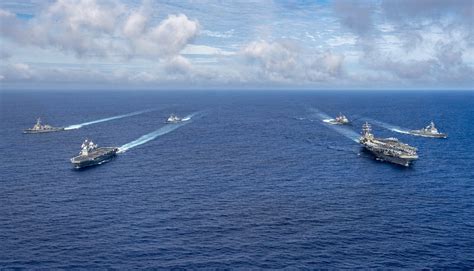
The United States has not remained passive. In response to China’s growing ability to strike across vast ocean distances, the Pentagon has adopted a deterrence-by-denial posture. This includes:
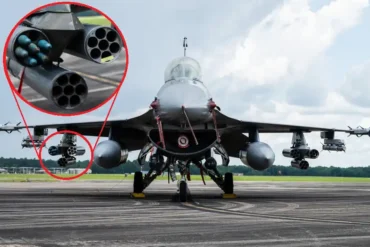
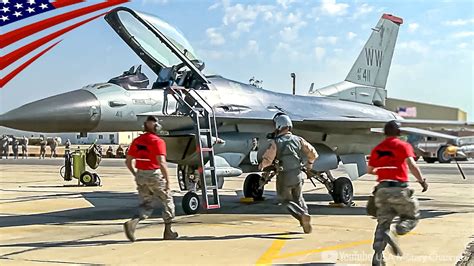
- Agile Combat Employment (ACE): dispersing airpower across remote and austere airstrips in the Pacific.
- Submarine-Launched Missile Expansion: deploying stealth assets capable of delivering precision strikes from undetectable positions.
- Enhanced Regional Alliances: deepening defense ties with Japan, the Philippines, Australia, and South Korea.
Senior U.S. officials stress that China’s attempt to “shape the battlespace before the first shot” will not go unanswered. A Pentagon spokesperson stated, “We are fully aware of China’s intent. Our job is to ensure they never believe they can win that battle.”
From Rehearsal to Real Threat: Analysts Weigh In
Defense experts warn that Beijing’s playbook is nearing operational maturity. Drills like these are increasingly seen not as bluffs but as live rehearsals for a full-scale invasion of Taiwan. According to Timothy Heath, senior defense analyst at RAND Corporation, “China is no longer content to defend the coastline. It’s projecting power into open waters, where the U.S. Navy once ruled unchallenged.”
Heath’s assessment underscores a strategic inflection point. The further China pushes the boundaries of credible denial, the less time the U.S. will have to mobilize a response in the event of a Taiwan invasion. In this emerging window, deterrence is not just about firepower—it’s about pre-positioning, readiness, and political resolve.
A Part of a Larger Operational Framework
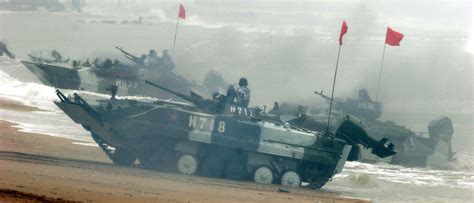
The H-6 deployment is just the tip of a larger iceberg. In recent months, PLA amphibious units have conducted beach-landing drills in the South China Sea, while Chinese cyber units have targeted Taiwanese power grids, government systems, and media networks. All of these activities form a coordinated campaign aimed at weakening Taiwan’s resolve, destabilizing its society, and deterring foreign aid.
By integrating kinetic and non-kinetic operations under the umbrella of “routine exercises,” China is crafting an escalation ladder that allows it to increase pressure on Taiwan while complicating diplomatic responses from the international community. Each new step normalizes actions that would have been seen as escalatory just a year prior.
The Strategic Stakes for the U.S. and the Indo-Pacific
At the heart of the H-6 deployment is a deeper question: Can the U.S. maintain credible deterrence in the Indo-Pacific? Washington’s reputation as a security guarantor is closely tied to Taiwan’s defense. If allies like Japan, South Korea, and Australia begin to question America’s ability to intervene effectively, the entire regional order could begin to unravel.
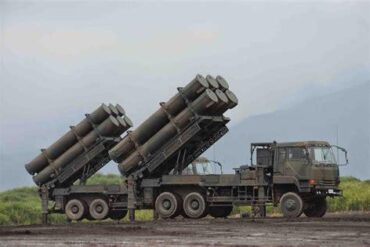
Taiwan itself understands the stakes. The island has accelerated its own indigenous missile programs, asymmetric warfare doctrines, and civil defense initiatives. But without firm and visible U.S. backing, its ability to resist a determined PLA invasion remains limited.
A Conflict on the Horizon?
While war is not inevitable, the trajectory of Chinese military posture indicates growing readiness for direct confrontation. The H-6/YJ-12 patrol is not a standalone gesture—it is part of a meticulously rehearsed sequence of escalation steps. Each move brings the region closer to a scenario where miscalculation, miscommunication, or political brinkmanship could trigger a wider conflict.
The next steps will be pivotal. Should China conduct similar long-range strike drills more frequently—or closer to U.S. or allied territory—the risk of military incidents will rise. Meanwhile, the U.S. will likely respond with more assertive freedom of navigation operations, air patrols, and regional exercises.
Conclusion: The Shadow of the H-6
The silhouette of the H-6 bomber armed with YJ-12 missiles slicing through the skies east of Taiwan is more than a projection of power—it is a symbol of a shifting era. The strategic calculus in the Indo-Pacific is evolving, driven by the interplay of deterrence, ambition, and uncertainty.
What hangs in the balance is not only Taiwan’s sovereignty but the future shape of the global order. If China believes it can deter the United States with preemptive reach and overwhelming force, the threshold for conflict could become perilously low. The world now watches the Taiwan Strait not only for signs of tension—but for the first tremors of a potential great power war in the 21st century.